Best Worldwide IPTV in 2026: How to Choose a Reliable IPTV Subscription in Europe, the USA, and Beyond
What Worldwide IPTV Means
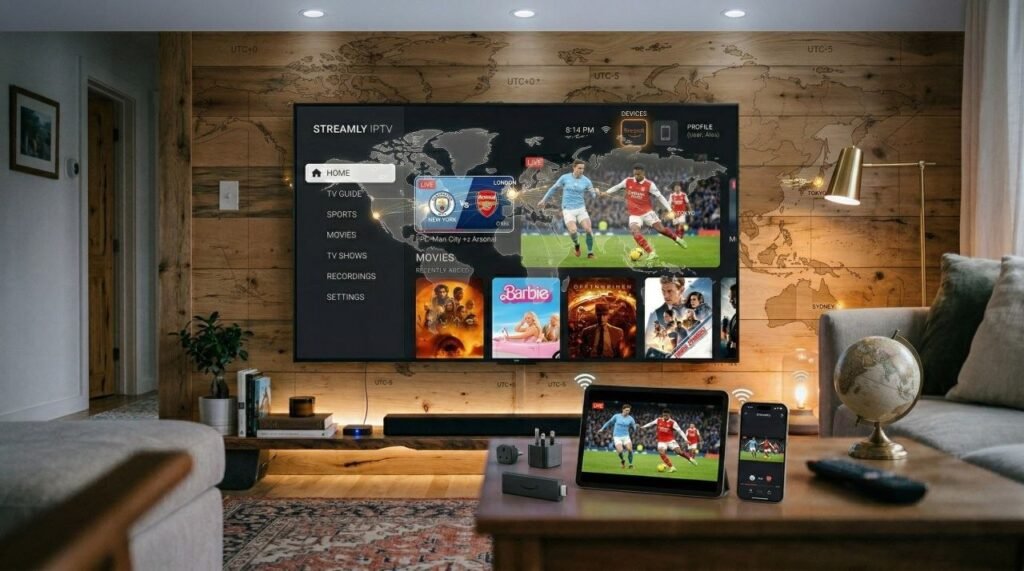
Worldwide IPTV means accessing television content through internet streaming regardless of your physical location. Instead of relying on local cable or satellite providers tied to a specific country, IPTV delivers channels globally through online servers. This allows users in Europe, the USA, Canada, or other regions to watch international content, including Spanish channels, sports, movies, and live broadcasts, all from a single platform. The setup shown above reflects this flexibility, where multiple devices connect to the same service across different locations.
In practical terms, worldwide IPTV works by transmitting video streams over the internet in real time. When a user selects a channel, the service sends data from its servers directly to the device being used—whether it’s a Smart TV, Firestick, or mobile phone. For example, someone living in the UK can access Spanish or international channels instantly without needing a local broadcast signal. This is why many users prefer iptv services that support cross-region access, especially for watching content from home while living abroad.
Another key aspect is device independence. Modern IPTV platforms are designed to work across multiple environments, making them ideal for global use. A user might start watching a live sports event on a Smart TV at home and later continue on a smartphone while commuting. This multi-device flexibility is a major advantage over traditional TV systems. Services that support popular platforms like Android TV, Firestick, and mobile apps tend to provide a more consistent experience, especially for users who move between locations frequently.
From a decision perspective, choosing a worldwide IPTV setup requires focusing on compatibility, server reliability, and content relevance. Not all services perform equally well across regions, and some may experience slower speeds depending on network conditions. For instance, users in North America may encounter different streaming performance compared to those in Europe due to ISP behavior. This makes it important to test how the service performs in your specific location and on your preferred devices before committing.
Quick takeaway:
- Worldwide IPTV allows access to global channels without location limits
- Works across devices like Smart TVs, Firestick, and mobile apps
- Performance depends on server quality and local internet conditions
How IPTV works across countries
IPTV works across countries by delivering television content through internet-based servers rather than relying on local broadcasting infrastructure. This means channels are streamed directly to your device from remote servers, allowing users to access content from different regions without needing a local cable or satellite connection. Whether someone is in the USA, Canada, or Europe, the same service can deliver international channels as long as the internet connection is stable and the device supports the IPTV app.
In practice, when a user selects a channel, the IPTV service sends compressed video data in small packets over the internet, which are instantly decoded and played on the device. For example, a viewer living in Canada can watch Spanish or European channels on a Smart TV or Firestick just as easily as someone in Spain. This cross-border functionality is what makes IPTV so appealing for expats, travelers, and users who want access to global content without restrictions tied to location.
However, performance can vary depending on the country and network conditions. Internet providers (ISPs) in different regions may manage traffic differently, which can affect streaming quality. For instance, some users in North America may experience slower speeds during peak hours or when streaming high-demand content like live sports. This is why many iptv services use optimized servers or anti-freeze technology to maintain stable playback across different regions. Choosing a provider with strong infrastructure is essential for consistent performance worldwide.
Device compatibility also plays a role in how IPTV performs across countries. Modern platforms such as Android TV, Firestick, Smart TVs, and mobile apps are designed to handle global streaming efficiently. A user might start watching a live channel on a television at home and later continue on a smartphone while traveling. This flexibility ensures that the viewing experience remains consistent regardless of location, as long as the device and app are properly configured.
From a practical standpoint, users should focus on testing how well a service performs in their specific region before committing. Factors like server location, app optimization, and network stability all influence the experience. A service that works perfectly in one country may perform differently in another, so real-world testing is always the best way to evaluate reliability.
Quick takeaway:
- IPTV streams content globally using internet-based servers
- Performance may vary depending on ISP and region
- Compatible devices ensure consistent access across countries
What to Look for in a Good IPTV Service
A good IPTV service is defined by consistent performance, relevant content, and a smooth user experience across devices—not just by how many channels it offers. The most reliable services focus on stability, fast loading times, and easy navigation, ensuring that users can watch content without interruptions. Whether you’re using a Smart TV, Firestick, or mobile device, the service should feel responsive and dependable in everyday use.
The first thing to evaluate is streaming quality and reliability. A strong service should deliver HD or Full HD playback with minimal buffering, even during peak hours. For example, when watching a live sports event or news broadcast, channels should load quickly and play without freezing. Many iptv services use optimized servers or anti-freeze technology to improve performance, especially in regions where internet providers may slow down streaming traffic. Testing how the service performs during busy times is one of the best ways to assess its real quality.
Channel selection should also be based on relevance rather than quantity. Instead of being impressed by thousands of channels, focus on whether the service includes the content you actually watch. For instance, users may prioritize sports, movies, or international channels depending on their preferences. A well-organized interface—with categories like sports, entertainment, and news—makes it easier to browse and improves the overall experience. This becomes especially important when navigating on a TV using a remote control.
Device compatibility and app performance are equally important. A good IPTV platform should work smoothly across modern devices such as Android TV, Firestick, Smart TVs, and mobile apps. For example, a user might start watching on a television at home and continue on a smartphone later. The app should maintain fast navigation, quick channel switching, and stable playback across all devices. Features like favorites, search, and electronic program guides add to usability and make daily viewing more convenient.
Finally, service consistency and support should not be overlooked. A reliable provider maintains stable performance over time, offers regular updates, and provides some level of customer support if issues arise. Choosing a service with flexible plans—such as monthly subscriptions—allows you to test its performance before committing long term. This reduces the risk of ending up with a service that looks good initially but fails in regular use.
Quick takeaway:
- Prioritize stable streaming over channel quantity
- Choose services with relevant, well-organized content
- Ensure compatibility across your main devices
Channels, streaming quality, and device support
Channels, streaming quality, and device support are the three core elements that determine whether an IPTV service is actually usable on a daily basis. A good setup is not about having the longest channel list—it’s about having the right channels, delivered in stable quality, and accessible across all your devices without friction. When these three factors are aligned, the viewing experience becomes smooth, reliable, and flexible.
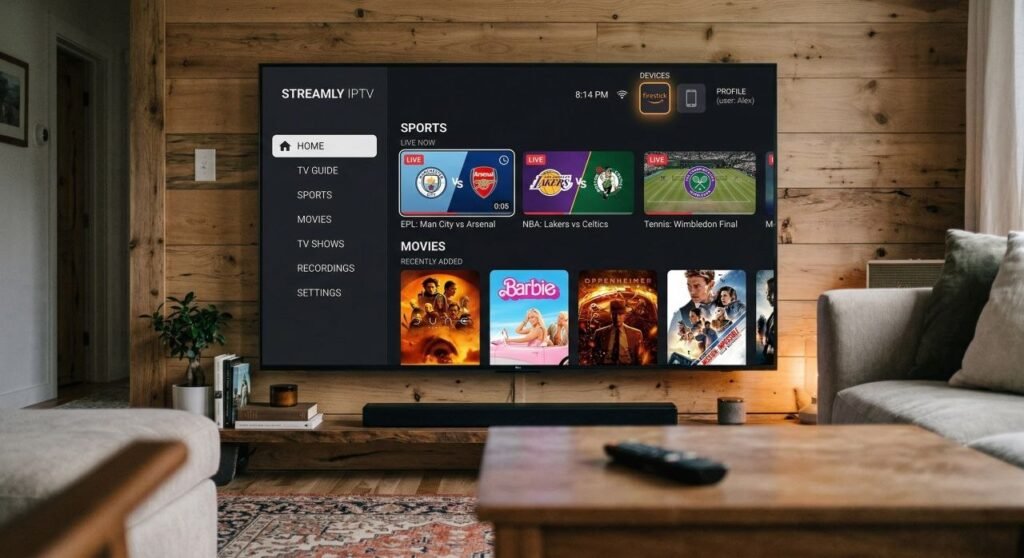
Channel selection should always be based on relevance. Many providers promote thousands of channels, but most users regularly watch only a small portion. For example, someone in the USA or Europe may focus on sports, international content, movies, or local news. A well-structured service organizes channels into clear categories, making it easy to browse through a program guide and quickly find what matters. In setups like the one illustrated above, where channels are grouped logically, navigation becomes faster and far more intuitive—especially when using a remote control on a TV.
Streaming quality is equally critical. Even the best channel lineup becomes useless if streams constantly buffer or drop in resolution. A reliable IPTV platform should deliver consistent HD or Full HD playback with fast loading times and minimal interruptions. In real-world use, this means being able to switch channels during a live event without delays or watch a full movie without sudden drops in quality. Services that use optimized servers and stable delivery systems perform better, particularly in regions where network conditions can vary.
Device support completes the experience by ensuring flexibility. Modern users expect to watch content across multiple screens, and a good service should work seamlessly on Smart TVs, Firestick, Android TV, and mobile devices. For instance, someone might begin watching a live broadcast on a television at home and later continue on a smartphone while traveling. The service should maintain consistent performance across all platforms, with responsive apps and fast navigation regardless of the device used.
When evaluating a service, it’s important to consider these three elements together rather than separately. Strong channels, stable streaming, and full device compatibility create a balanced system that supports everyday viewing without frustration. Ignoring one of these factors often leads to an incomplete experience, even if the others perform well.
Quick takeaway:
- Choose channels based on what you actually watch
- Stable HD streaming is essential for daily use
- Multi-device support ensures flexibility across screens
Best IPTV Setup for Europe and the USA
The best IPTV setup for Europe and the USA combines a reliable service, a stable internet connection, and a device that can handle high-quality streaming without delays. Instead of focusing only on the provider, the overall setup determines whether you get smooth playback or constant buffering. A well-balanced configuration ensures fast channel loading, consistent HD quality, and a seamless experience across different regions.
The first element to consider is the device you use. Modern options like Smart TVs, Firestick, and Android TV boxes are designed for streaming and provide better performance than older systems. For example, a user in Europe might use a Smart TV for daily viewing, while someone in the USA may rely on a Firestick for flexibility and app compatibility. These devices support most iptv services and offer responsive navigation, quick channel switching, and better handling of high-definition streams. Choosing a device with updated software and enough processing power is essential for avoiding lag and freezing.
The second key factor is your internet connection. Streaming across countries requires a stable and consistent connection rather than just high speed. In real-world scenarios, users with strong Wi-Fi or wired Ethernet connections experience fewer interruptions, especially during live events. For instance, watching sports in the evening—when networks are busy—requires stable bandwidth to prevent buffering. Using a modern router, reducing background internet usage, and positioning your device close to the router can significantly improve performance.
App optimization also plays a major role in the setup. A well-designed IPTV app should load quickly, organize channels into categories, and allow smooth navigation across content. Whether you are using a Smart TV in Europe or a mobile device in the USA, the app should deliver the same level of performance. Features like electronic program guides, favorites, and fast search functions make everyday use much easier and more efficient.
Finally, the overall balance of your setup determines long-term reliability. A strong device, stable internet, and optimized app must work together with a reliable service to deliver consistent results. Testing your setup during peak hours and across different devices helps ensure that everything performs well in real conditions. When all elements are aligned, IPTV becomes a dependable solution for watching global content without interruptions.
Quick takeaway:
- Use modern devices like Firestick, Smart TV, or Android TV
- Ensure a stable internet connection, preferably optimized or wired
- Choose apps and services that perform consistently across regions
Firestick, Smart TV, and mobile basics
Firestick, Smart TV, and mobile devices form the foundation of most modern IPTV setups, and understanding how each works helps you choose the most practical and stable solution for everyday streaming. These devices are designed to access content through apps, making it easy to watch live TV, movies, and international channels without traditional cable. The setup illustrated above reflects how different devices connect to the same service, offering flexibility across screens and locations.
Firestick is one of the most popular options because it is affordable, easy to install, and optimized for streaming. Users simply connect it to a TV via HDMI, install an IPTV app, and log in to their subscription. For example, someone in the USA can set up a Firestick in minutes and access a full channel list organized into categories like sports, movies, and live TV. Firestick devices are especially useful for older TVs, turning them into modern streaming hubs with smooth navigation and reliable performance.
Smart TVs provide a more integrated experience since many models allow direct installation of IPTV apps from built-in app stores. Devices running Android TV or Google TV generally offer the best compatibility and smoother performance. A user in Europe might install an app directly on a Smart TV and start watching without needing extra hardware. This setup is ideal for home viewing because it simplifies everything into one device, although performance still depends on the TV’s processing power and app optimization.
Mobile devices add another level of flexibility by allowing users to watch content anywhere. IPTV apps on smartphones and tablets are designed for touch navigation, making it easy to switch channels, search for content, or continue watching on the go. For instance, a viewer might start watching a live broadcast on a Smart TV and later continue on a phone while traveling. This multi-device experience is one of the key advantages of modern streaming services.
When choosing between these options, it’s important to consider how and where you watch content most. Firestick is ideal for simplicity and performance, Smart TVs are best for integrated home setups, and mobile devices provide maximum flexibility. A well-balanced setup often includes more than one device, ensuring consistent access and performance in different situations.
Quick takeaway:
- Firestick is easy to set up and works well with most TVs
- Smart TVs offer an all-in-one streaming experience
- Mobile devices provide flexibility for watching anywhere
How to Choose the Best IPTV Subscription
Choosing the best IPTV subscription means focusing on real performance, content relevance, and long-term reliability rather than marketing claims or low prices. A high-quality service should provide stable streaming, include the channels you actually watch, and work smoothly across your main devices. The setup shown above highlights how a balanced combination of service, app, and device creates a better viewing experience.
Start by evaluating the channel lineup based on your personal needs. Instead of being influenced by large numbers, check whether the service includes the content you regularly watch—such as sports, movies, or international channels. For example, a user in the USA or Europe may prefer a service that offers reliable sports coverage and entertainment channels rather than thousands of rarely used options. A well-structured interface with clear categories makes navigation easier and saves time during daily use.
Streaming quality and stability should be your next priority. A reliable IPTV subscription should deliver consistent HD playback without buffering, even during peak hours. In real-world scenarios, this means being able to watch live events or switch channels without delays. Services with optimized servers and strong infrastructure tend to perform better, especially in regions where network conditions vary. Testing the service during busy times is one of the most effective ways to evaluate its true performance.
Device compatibility is another key factor. The service should work seamlessly on devices such as Firestick, Smart TVs, Android TV, and mobile apps. For instance, a viewer might start watching on a television at home and later continue on a smartphone while traveling. The experience should remain consistent across all platforms, with fast loading times and responsive navigation. Apps that support features like favorites, search, and electronic program guides improve usability and make the service more practical for everyday viewing.
Finally, consider flexibility and reliability over time. Monthly plans are often the best option for testing a service before committing long term. A slightly higher price is often justified if the service offers better stability, faster streaming, and fewer interruptions. Checking user feedback, testing performance, and ensuring the service works well on your devices helps you make a more confident decision.
Quick takeaway:
- Choose channels based on your actual viewing habits
- Prioritize stable HD streaming over channel quantity
- Test the service before committing long term
Plans, pricing, and service quality
Plans, pricing, and service quality are closely connected, and understanding how they work together is essential before choosing any IPTV subscription. The best option is not always the cheapest plan, but the one that delivers consistent streaming, reliable access to channels, and smooth performance across your devices. A well-balanced service ensures that what you pay reflects real usability, not just marketing promises.
Most providers offer monthly, quarterly, or yearly plans, each with different levels of flexibility. Monthly plans are often the safest starting point, especially for new users. For example, someone using a Firestick or Smart TV can subscribe for one month to test streaming quality, app performance, and channel availability. This approach allows you to evaluate whether the service delivers stable playback and fast channel switching before committing to a longer plan. Short-term subscriptions reduce risk and provide a clearer picture of real performance.
Pricing often reflects service quality, but only when evaluated correctly. Very cheap plans may seem attractive, but they often come with unstable streams, slow servers, or limited support. On the other hand, higher-priced or premium iptv services usually invest in better infrastructure, offering more stable connections and improved streaming quality during peak hours. For instance, watching live sports or major events is much smoother on services that maintain strong server performance rather than cutting costs.
Service quality goes beyond price and includes factors like server stability, app reliability, and content consistency. A high-quality service should deliver HD streams without frequent buffering, maintain organized channel categories, and provide a responsive app interface. In real-world use, this means being able to switch between channels quickly, browse content easily, and watch without interruptions. Services that regularly update their systems and maintain performance over time tend to offer a much better experience.
When comparing plans, it’s important to look at long-term value rather than just upfront cost. A slightly higher monthly fee can result in fewer technical issues, better streaming quality, and a more enjoyable experience overall. Testing different plans, checking performance during busy hours, and ensuring compatibility with your devices are practical steps that help you make a better decision.
Quick takeaway:
- Monthly plans are ideal for testing before long-term commitment
- Cheaper plans often mean lower stability and performance
- Service quality depends on servers, apps, and consistency
Common IPTV Problems Worldwide
Common IPTV problems worldwide usually come down to three main issues: buffering, app instability, and inconsistent service quality. No matter where users are located—whether in Europe, the USA, or elsewhere—these challenges tend to appear when the setup, network, or provider is not optimized. Understanding these problems helps you avoid frustration and build a more reliable streaming experience.
One of the most frequent issues is buffering during live streams. This often happens when the internet connection is unstable or overloaded. For example, a user watching a live sports event in the evening may experience interruptions if multiple devices are using the same network. In global setups, performance can also vary depending on how internet providers handle streaming traffic. Many iptv services try to reduce this problem by using optimized servers, but the user’s network setup still plays a major role. Switching to a wired connection or improving Wi-Fi strength can significantly reduce buffering.
Another common problem is slow or unresponsive apps. Even with a strong connection, a poorly optimized app can cause delays when loading channels or navigating menus. This is especially noticeable on older Smart TVs or low-performance devices. For instance, a user might try to switch channels quickly but experience freezing or long loading times. Keeping apps updated, clearing cache, and using reliable IPTV players can improve performance and make navigation smoother.
Service instability is also a global concern. Not all providers maintain the same level of server quality, and weaker services may struggle during peak hours. This can lead to channels not loading, streams dropping, or sudden changes in video quality. For example, during major live events, some services may become overloaded, causing interruptions. Choosing a provider with stable infrastructure and testing performance during busy times can help avoid these issues.
Device compatibility and setup can further affect performance. Some services work better on certain devices, and outdated hardware can limit streaming quality. A modern setup—such as using a Firestick, Android TV, or updated Smart TV—usually provides better results than older systems. Ensuring that your device, app, and network are all optimized creates a more stable environment for streaming.
Quick takeaway:
- Buffering is often caused by weak or overloaded internet connections
- App performance depends on device quality and optimization
- Reliable services and modern devices reduce most IPTV issues
Buffering, freezing, and unstable streams
Buffering, freezing, and unstable streams are the most common issues users face with IPTV, and they are usually caused by a combination of network conditions, device limitations, and service quality. These problems don’t happen randomly—they are often the result of weak connections, overloaded systems, or poorly optimized apps. Understanding the cause is the first step to fixing them and achieving a smoother viewing experience.
Buffering typically occurs when your device cannot receive video data fast enough to keep playback continuous. For example, if you are watching a live sports event on a Smart TV while other devices in your home are streaming or downloading, your connection may slow down, causing pauses or loading screens. This is especially noticeable during peak hours when many users are online. A stable connection—preferably through Ethernet or strong Wi-Fi—can significantly reduce buffering and improve playback consistency across most iptv services.
Freezing issues are often related to the device or app rather than the internet itself. A stream may stop or the screen may lock if the app is overloaded, outdated, or not optimized for your device. For instance, users on older Smart TVs or low-memory devices may notice freezing when switching channels quickly or after extended viewing sessions. Restarting the device, clearing app cache, or updating the IPTV player can resolve many of these problems and restore normal performance.
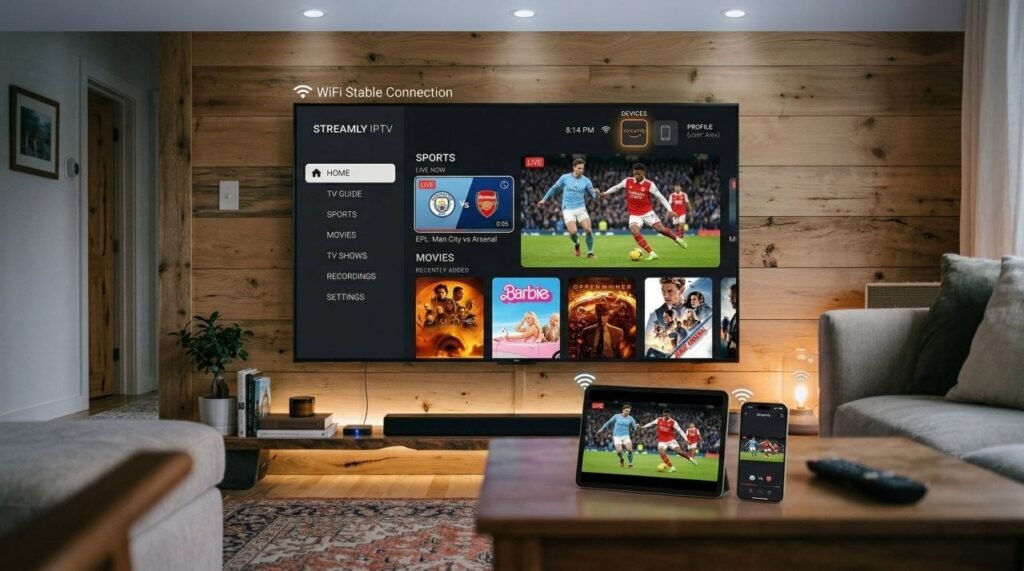
Unstable streams are usually linked to the service provider’s server quality. Some services struggle to maintain consistent playback when many users are connected, especially during live events. This can lead to sudden drops in quality, channel interruptions, or streams failing to load. Choosing a provider with strong server infrastructure and testing performance during busy periods can help avoid these issues. In setups like the one described earlier, where channels load quickly and remain stable, the difference in server quality becomes very clear.
Device setup and network configuration also play a critical role. Using modern devices such as Firestick, Android TV, or updated Smart TVs improves stream handling and reduces errors. Positioning your router correctly, using dual-band Wi-Fi, or minimizing background internet usage can further stabilize your connection. In many cases, small adjustments to your setup can eliminate most streaming problems without needing to change services.
Quick takeaway:
- Buffering is caused by slow or overloaded internet connections
- Freezing often comes from device or app limitations
- Stable servers and optimized setups reduce most streaming issues