Best IPTV Subscription 2026: Premium IPTV Services That Actually Deliver Stable Streaming
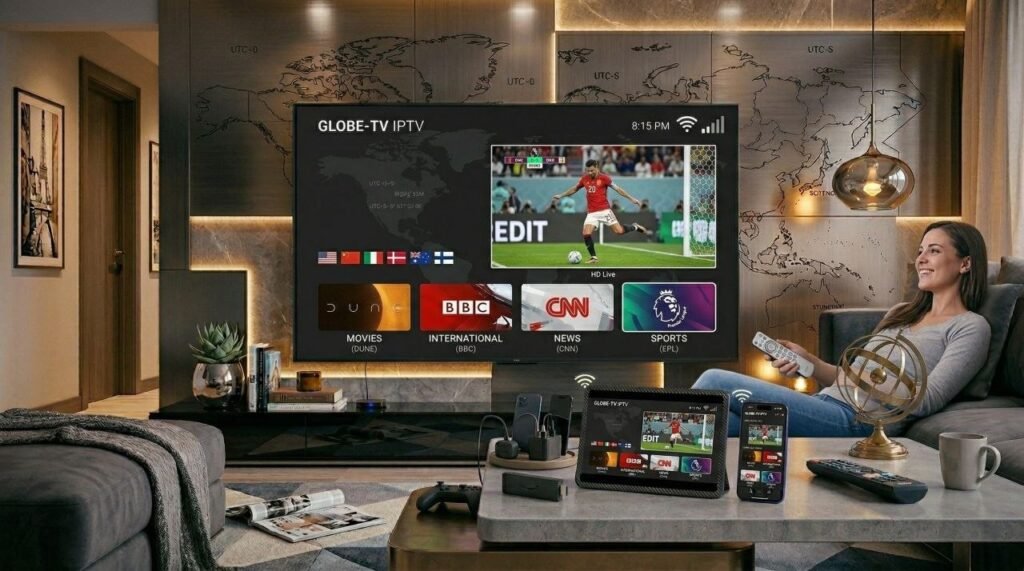
Choosing the best IPTV subscription in 2026 comes down to one thing: consistent, real-world performance—not promises. Many services claim to offer thousands of channels and ultra-fast streaming, but what actually matters is whether the service works smoothly every day on your devices. A premium IPTV setup should deliver stable HD streaming, fast channel switching, and reliable access to the content you care about, whether you’re watching live sports, movies, or international channels.
In practice, users today expect flexibility across devices and locations. For example, someone might watch a live match on a Smart TV at home, then continue on a mobile device while commuting. This is where modern iptv services stand out—they are built to support multi-device usage, responsive apps, and seamless transitions between screens. A high-quality iptv subscription should not only provide access to content but also maintain performance regardless of whether you are using a Firestick, Android TV, or smartphone.
Another key factor is how the service performs during peak hours. Many users experience buffering or slow loading when networks are busy, especially in the evening. A reliable provider invests in stable servers and optimized delivery systems to reduce these issues. For instance, watching a live event should feel smooth and uninterrupted, not delayed or constantly loading. This is where the difference between average and premium IPTV becomes clear—real performance under real conditions.
From a decision perspective, the smartest approach is to focus on usability, not marketing claims. Instead of choosing a service based on channel numbers or price alone, evaluate how quickly channels load, how stable the streams are, and how easy the app is to navigate. Testing the service on your main device and checking its behavior over time can help you avoid unreliable options and choose a setup that actually works for everyday streaming.
What Makes an IPTV Subscription Truly Reliable
Why channel count is not what matters anymore
The number of channels is no longer the most important factor when choosing an IPTV service—in fact, it’s often one of the most misleading. What truly matters is whether those channels actually work, load quickly, and match what you want to watch. Many providers promote huge libraries with thousands of options, but in real use, a large portion of those channels may be duplicates, low quality, or simply not functional.
In a typical scenario, users only watch a small percentage of available channels regularly. For example, someone in the USA or Europe may focus on sports, movies, and a few international networks. If those specific channels are stable and easy to access, the experience feels complete—even if the total number is lower. On the other hand, a service offering thousands of channels becomes frustrating if streams fail to load or take too long to start. This is why experienced users prioritize reliability over volume.
Another important point is how channels are organized and delivered. A well-structured IPTV platform groups content into clear categories like sports, news, and entertainment, making navigation simple and fast. In real-world usage, this means you can open the app, find your preferred category instantly, and start watching without scrolling through endless lists. Services that focus on usability and clean organization provide a much better daily experience than those that rely on overwhelming channel counts.
Performance also plays a major role in this shift away from channel quantity. Stable servers, optimized streaming, and fast channel switching are far more valuable than having access to content that doesn’t perform well. For instance, watching a live sports event without buffering or delay is more important than having access to hundreds of similar channels that may not even work properly. This is where premium IPTV options stand out—they focus on delivering fewer but better-performing streams.
When evaluating a service, it’s more effective to ask practical questions: Do the channels you care about load quickly? Are they stable during peak hours? Is the interface easy to use? These criteria help you choose a service that actually improves your viewing experience rather than complicating it.
Quick takeaway:
- Channel quality matters more than quantity
- Organized categories improve usability
- Stable streaming is more valuable than thousands of channels
Key Features of the Best IPTV Subscription
Streaming quality, stability, and real performance
Streaming quality, stability, and real performance are what ultimately define whether an IPTV service is worth using on a daily basis. It’s not enough for a service to claim HD or 4K streams—what matters is whether those streams load quickly, play smoothly, and remain stable over time. A reliable experience means you can switch channels instantly, watch live events without interruption, and enjoy consistent video quality regardless of when you’re watching.
In real-world scenarios, performance becomes especially important during peak hours. For example, watching a live sports match in the evening—when thousands of users are online—puts pressure on both servers and your internet connection. Weak services often struggle in these conditions, leading to buffering, delays, or sudden drops in quality. In contrast, premium IPTV platforms invest in optimized servers and delivery systems that maintain stable playback even under heavy load. This difference is what separates a usable service from a frustrating one.
Another key factor is how quickly channels load and respond. A high-quality IPTV setup should allow near-instant channel switching, without long loading screens or repeated buffering. For instance, a user browsing channels on a Smart TV or Firestick expects a smooth, responsive experience similar to traditional TV—but with more flexibility. If channels take several seconds to load or fail intermittently, it disrupts the viewing flow and reduces overall usability.
Device performance and app optimization also contribute to streaming stability. Even with a strong service, a poorly optimized app or outdated device can cause lag or freezing. Modern IPTV services are designed to work across platforms like Android TV, Firestick, and mobile apps, but the experience depends on how well the app handles data and navigation. Keeping apps updated, using reliable players, and ensuring your device has enough processing power can significantly improve performance.
To evaluate real performance, it’s important to test the service under normal conditions—not just during short demos. Check how it behaves during live events, how stable the streams are over time, and whether quality remains consistent. This practical approach helps you avoid services that look good on paper but fail in everyday use.
Quick takeaway:
- Stable streaming during peak hours is essential
- Fast channel switching improves daily usability
- App and device optimization directly affect performance
Best Devices for IPTV Streaming
Firestick, Smart TV, and mobile compatibility
Firestick, Smart TV, and mobile compatibility are essential for any IPTV service that aims to deliver a smooth and flexible viewing experience. A reliable setup should work seamlessly across all these devices, allowing users to switch between screens without losing performance or usability. In today’s streaming environment, people rarely watch content on just one device, so compatibility has become a core requirement rather than an extra feature.
Firestick is one of the most widely used options because it offers a simple and fast way to access IPTV content on almost any television. For example, a user can connect a Firestick to an older TV and instantly transform it into a modern streaming device. Most IPTV apps are optimized for Firestick, offering remote-friendly navigation, quick channel switching, and organized categories like sports, movies, and live TV. This makes it a practical choice for users who want a stable and easy-to-use setup without complex installation.
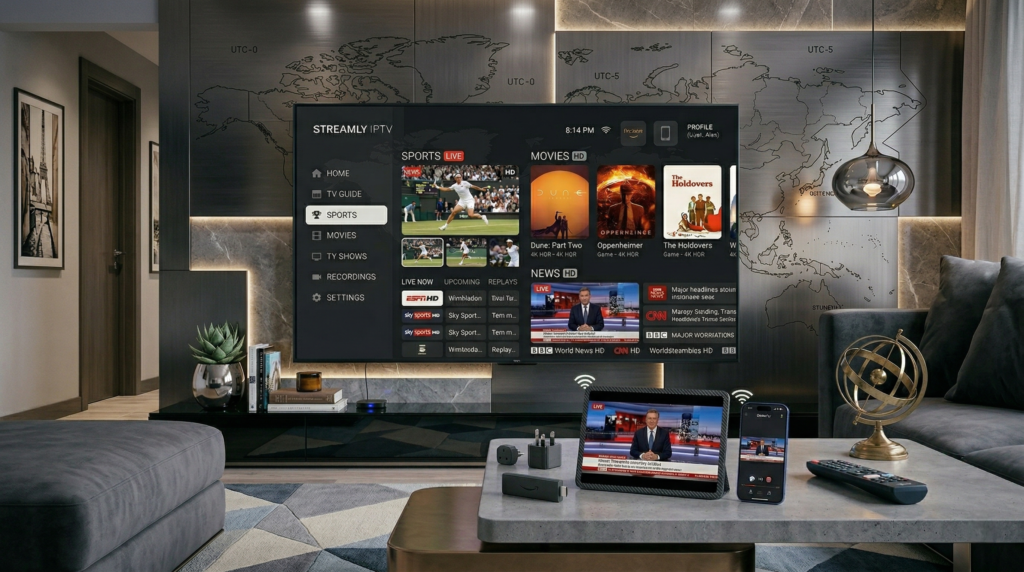
Smart TVs provide a more integrated experience by allowing direct installation of IPTV apps through built-in app stores. Devices running Android TV or Google TV typically offer better compatibility and smoother performance compared to older systems. A user can install an IPTV app, log in, and start watching without needing additional hardware. This setup is ideal for everyday viewing, especially when the interface is well-structured and responsive, similar to the multi-device environment illustrated earlier where content flows easily across screens.
Mobile devices add another layer of flexibility, allowing users to watch content anywhere. IPTV apps on smartphones and tablets are designed for touch navigation, making it easy to browse channels, search for programs, or continue watching on the go. For instance, someone might begin watching a live broadcast on a Smart TV at home and later continue on a mobile device while traveling. This continuity is a major advantage of modern iptv services, especially for users who move frequently between locations.
When choosing a service, it’s important to test how well it performs across your main devices. Some services work well on Firestick but struggle on mobile, while others offer consistent performance everywhere. Checking app responsiveness, loading speed, and stability on each device helps ensure that your setup remains reliable in daily use.
Quick takeaway:
- Firestick offers simple and reliable IPTV access
- Smart TVs provide an all-in-one viewing experience
- Mobile devices enable flexible, on-the-go streaming
How to Choose the Best IPTV Subscription
What to check before paying
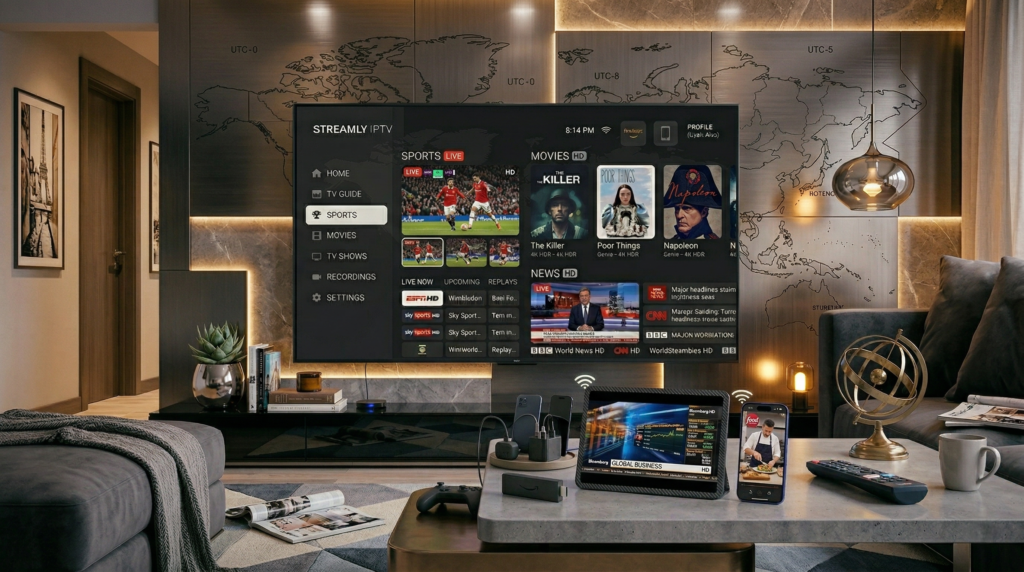
Before paying for any IPTV subscription, you should verify a few critical factors to avoid wasting money on unstable or low-quality services. The most important step is to test whether the service actually performs well in real conditions—not just how it looks on paper. A reliable IPTV setup should deliver fast loading, stable playback, and smooth navigation across your main devices.
The first thing to check is streaming performance and stability. Many providers advertise HD or even 4K channels, but the real question is whether those streams work consistently. For example, try watching a live sports event or switching between channels during peak hours. If you notice buffering, delays, or quality drops, it’s a sign that the service may not handle high demand well. A strong provider should maintain stable playback even when many users are connected at the same time.
Next, evaluate the channel lineup based on your actual needs. Instead of being influenced by large numbers, check whether the service includes the content you regularly watch—such as sports, movies, or international channels. A well-structured IPTV service should organize channels into clear categories, making navigation simple. In real-world use, this means you can quickly find what you want without scrolling through long, confusing lists filled with inactive streams.
Device compatibility and app performance should also be tested before paying. The service should work smoothly on devices like Firestick, Smart TVs, Android TV, and mobile apps. For instance, install the app on your main device and check how quickly it loads, how responsive it feels, and how fast channels switch. If the app is slow or unstable, it will affect your daily experience regardless of how good the channel list is.
Finally, consider the type of plan and provider transparency. Avoid committing to long-term subscriptions without testing the service first. Monthly plans are usually safer because they allow you to evaluate performance over time. Also, check whether the provider offers clear information, updates, and some level of support. Services that lack transparency or push aggressive long-term deals without trials are often less reliable.
Quick takeaway:
- Always test streaming quality before paying
- Focus on channels you actually watch
- Ensure the app works smoothly on your main device
Common IPTV Problems and How to Avoid Them
Buffering, freezing, and ISP throttling
Buffering, freezing, and ISP throttling are the main reasons why many IPTV services fail to deliver a smooth viewing experience. These issues are not random—they usually come from a combination of weak internet connections, overloaded servers, or how internet providers manage streaming traffic. Understanding these factors helps you fix problems faster and avoid choosing unreliable services in the first place.
Buffering happens when your device cannot receive data fast enough to continue playing the stream smoothly. For example, if you are watching a live sports event on a Smart TV while other devices in your home are streaming or downloading, your bandwidth may drop, causing interruptions. Freezing, on the other hand, is often related to the app or device struggling to process the stream. This is common on older Smart TVs or when apps are not optimized, leading to delays when switching channels or sudden pauses during playback.
ISP throttling is a less obvious but very important factor, especially in regions like the USA and parts of Europe. Some internet providers intentionally slow down streaming traffic during peak hours or when high data usage is detected. In real-world scenarios, this means your IPTV service may work perfectly during the day but start buffering in the evening. This is not always a problem with the service itself, but with how the network handles streaming data. Recognizing this helps you avoid blaming the wrong source when performance drops.
To reduce these issues, a few practical adjustments can make a big difference. Using a wired Ethernet connection instead of Wi-Fi improves stability, especially for devices like Firestick or Smart TVs. Positioning your router closer to your device or upgrading to a modern dual-band router can also help maintain consistent speeds. On the software side, keeping your IPTV app updated, clearing cache, and restarting your device regularly can prevent freezing and slow performance.
Choosing a reliable IPTV provider is equally important. Services with strong server infrastructure and optimized delivery systems are better equipped to handle high traffic without interruptions. Testing the service during peak hours and on your main device is one of the most effective ways to evaluate its real performance. This ensures that you are not just relying on advertised features, but on actual usability in everyday conditions.
Quick takeaway:
- Buffering is often caused by weak or overloaded internet connections
- Freezing usually comes from app or device limitations
- ISP throttling can affect streaming during peak hours
How to Compare IPTV Services and Avoid Bad Deals
Red flags and fake IPTV promises
Red flags and fake IPTV promises are often easy to spot once you know what to look for, and avoiding them is key to choosing a service that actually works long term. The biggest mistake many users make is trusting marketing claims instead of real performance. A reliable IPTV experience is based on stability, usability, and consistency—not exaggerated features designed to attract quick sales.
One of the most common warning signs is unrealistic claims about channel numbers and streaming quality. Many providers advertise “10,000+ channels” or “zero buffering,” but in real use, a large portion of those channels may not work or may deliver poor quality. For example, users often discover that important channels fail during live events or take too long to load. Instead of focusing on numbers, it’s far more effective to evaluate whether the channels you care about are stable and easy to access.
Another major red flag is extremely low pricing combined with aggressive long-term offers. Deals that push yearly subscriptions at very low prices may seem attractive, but they often come with unstable servers and inconsistent service. In real-world scenarios, users may experience decent performance at first, followed by buffering, missing channels, or complete outages. Choosing flexible options first allows you to test the service before committing and reduces the risk of ending up with a poor-quality provider.
Lack of transparency is also a strong indicator of unreliable services. A trustworthy provider clearly explains how the service works, which devices are supported, and what level of performance to expect. In contrast, low-quality services often provide vague descriptions, limited setup guidance, or no clear support. For instance, if you cannot easily find information about compatibility with Firestick, Smart TV, or mobile apps, it may indicate that the service is not well maintained.
Finally, the app experience itself often reveals the true quality of a service. Slow loading times, poor navigation, broken categories, or frequent crashes are signs that the platform is not optimized. A well-built IPTV service should offer a clean interface, fast channel switching, and consistent updates. Testing the app and observing how it performs over time is one of the most reliable ways to separate trustworthy providers from those relying on fake promises.
Quick takeaway:
- Ignore exaggerated claims about channel numbers and “perfect streaming”
- Avoid very cheap long-term deals without testing
- Check transparency, app quality, and real usability before choosing