Varodatic IPTV 2026: Premium IPTV Service for Stable Streaming Worldwide
What is Varodatic IPTV
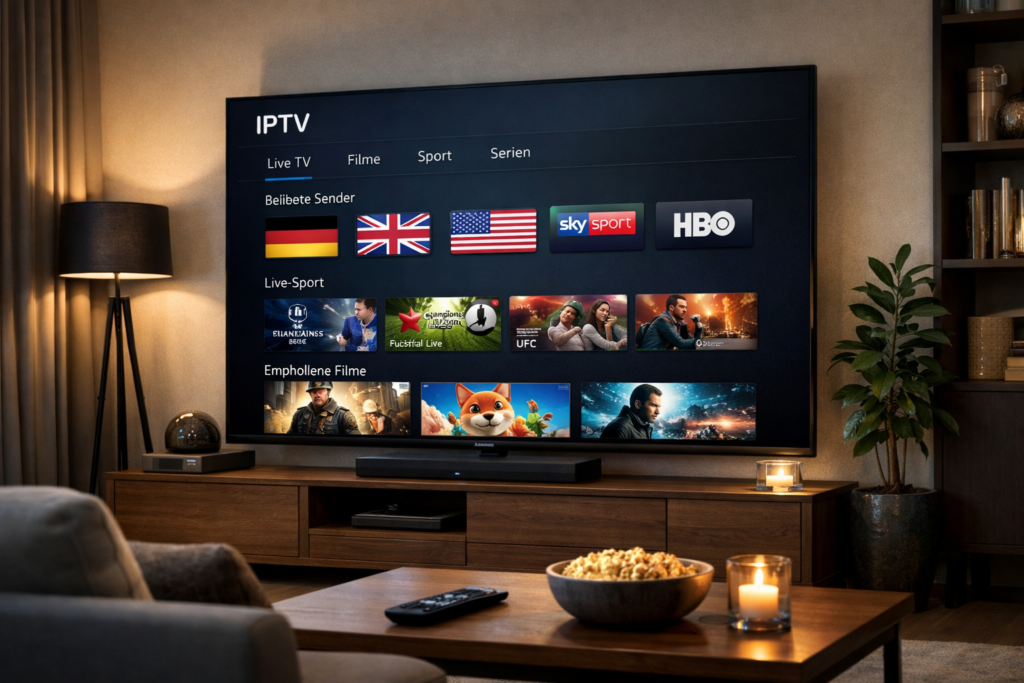
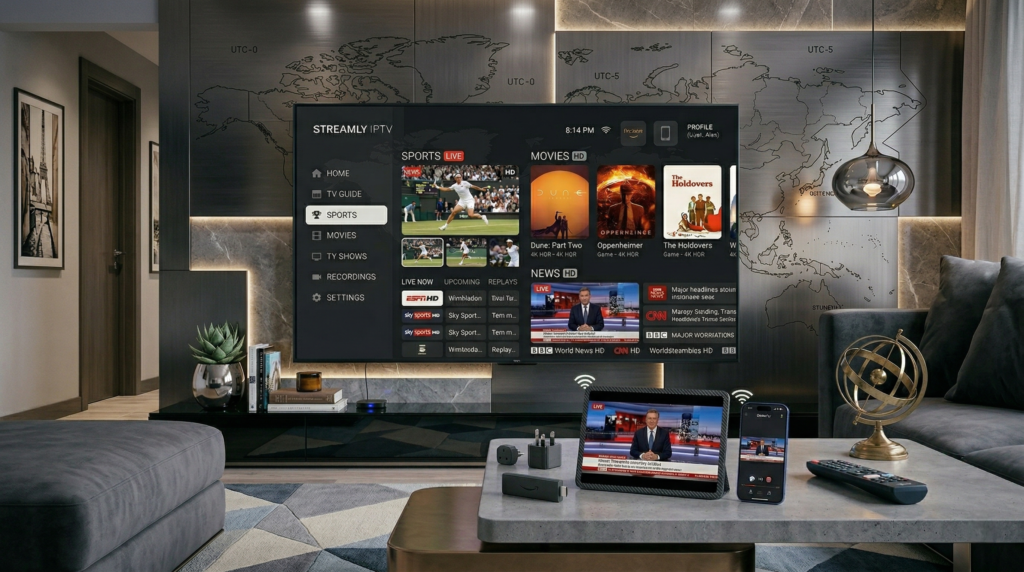
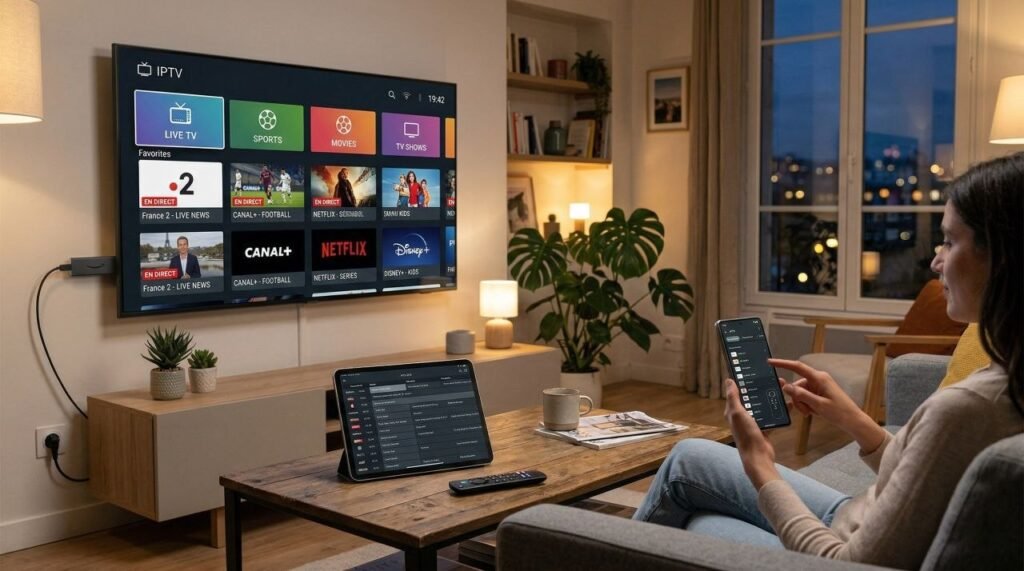
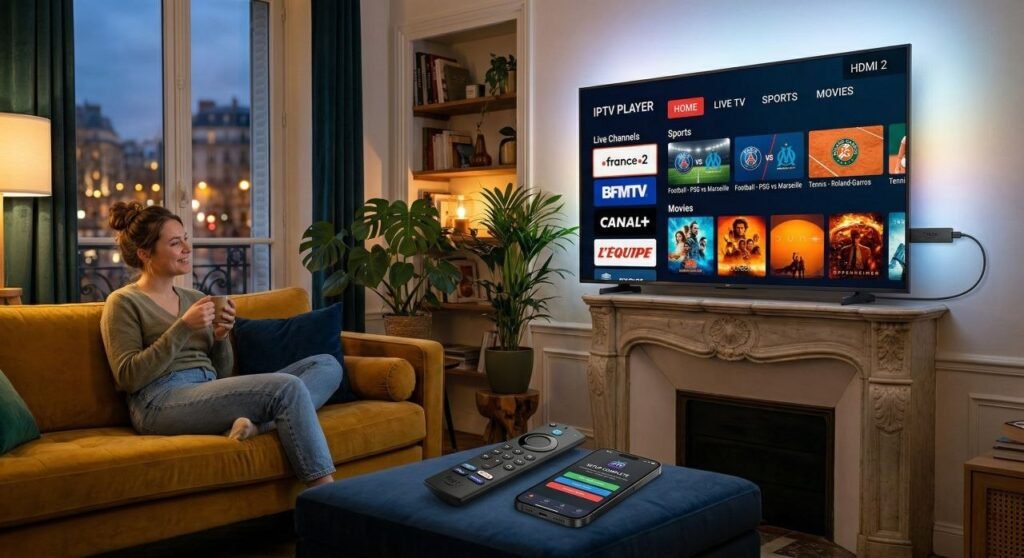
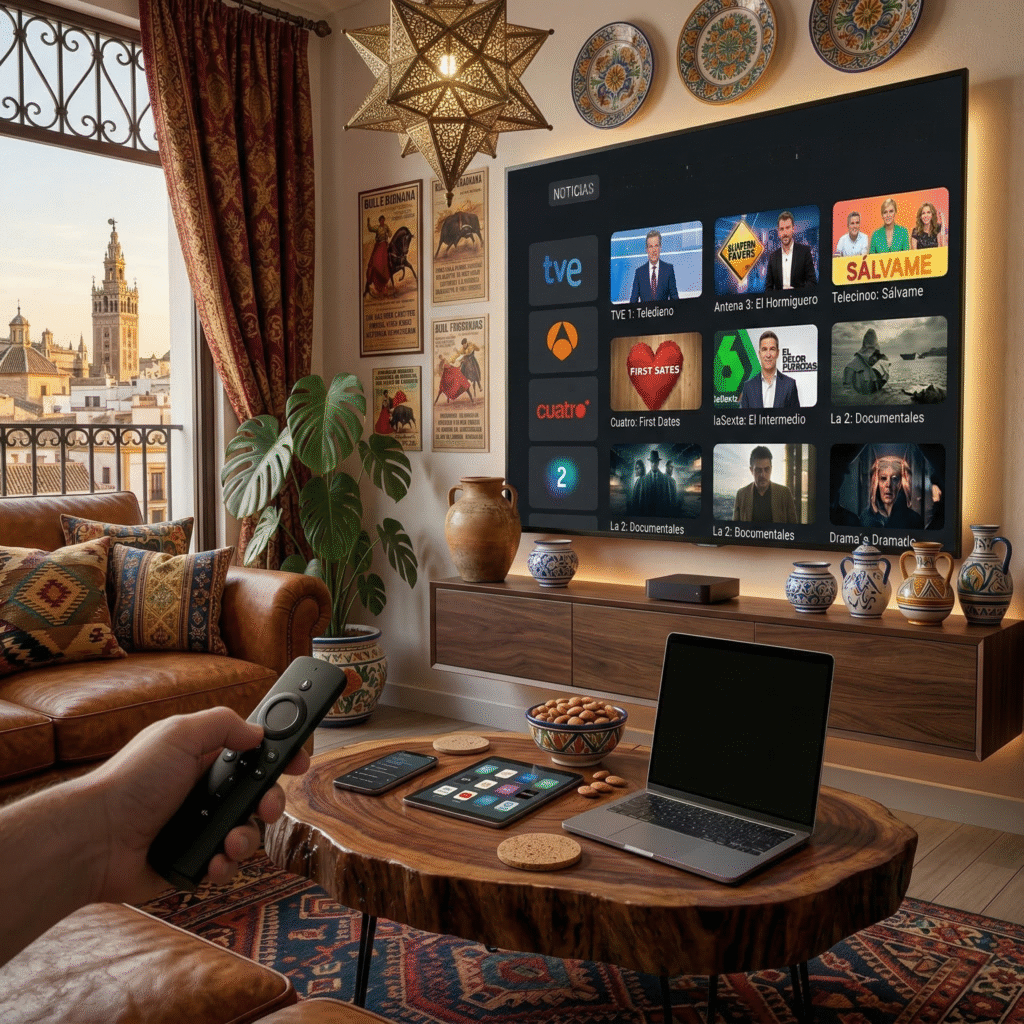
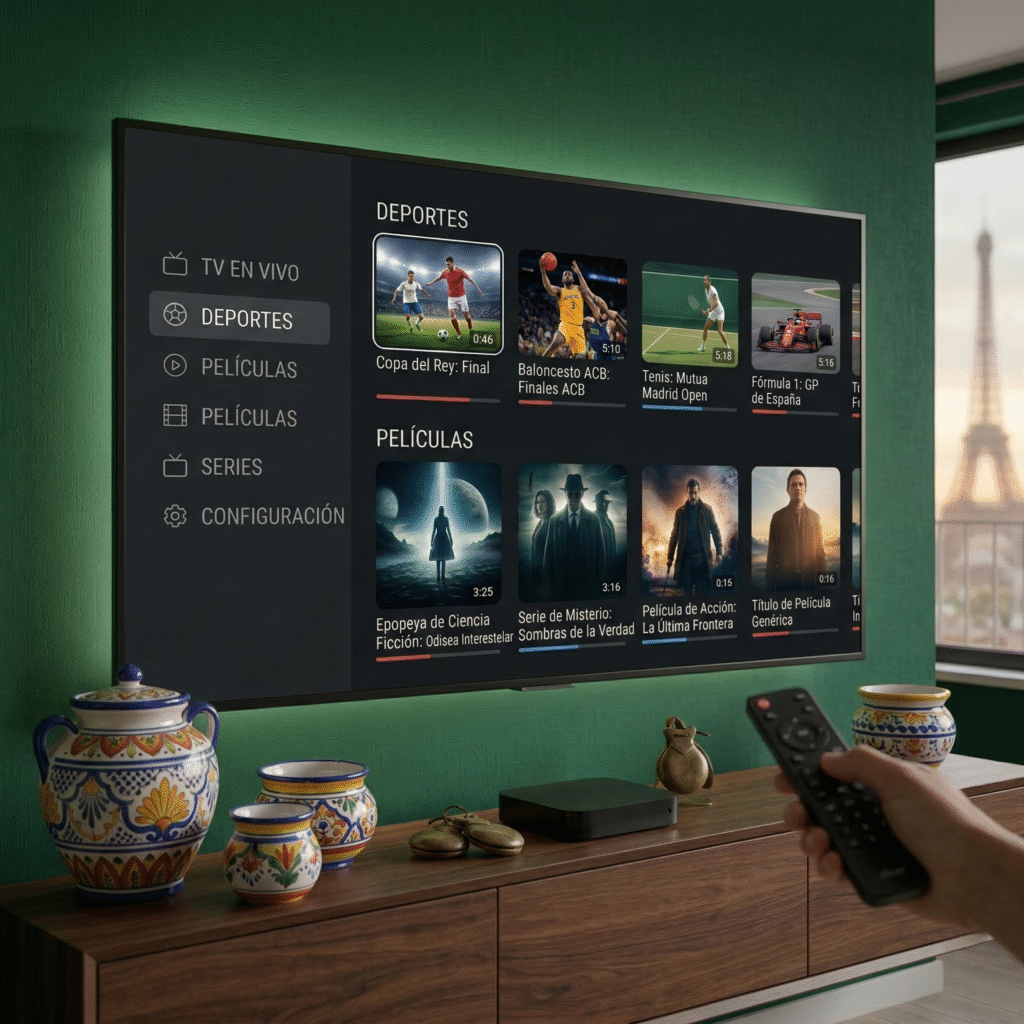
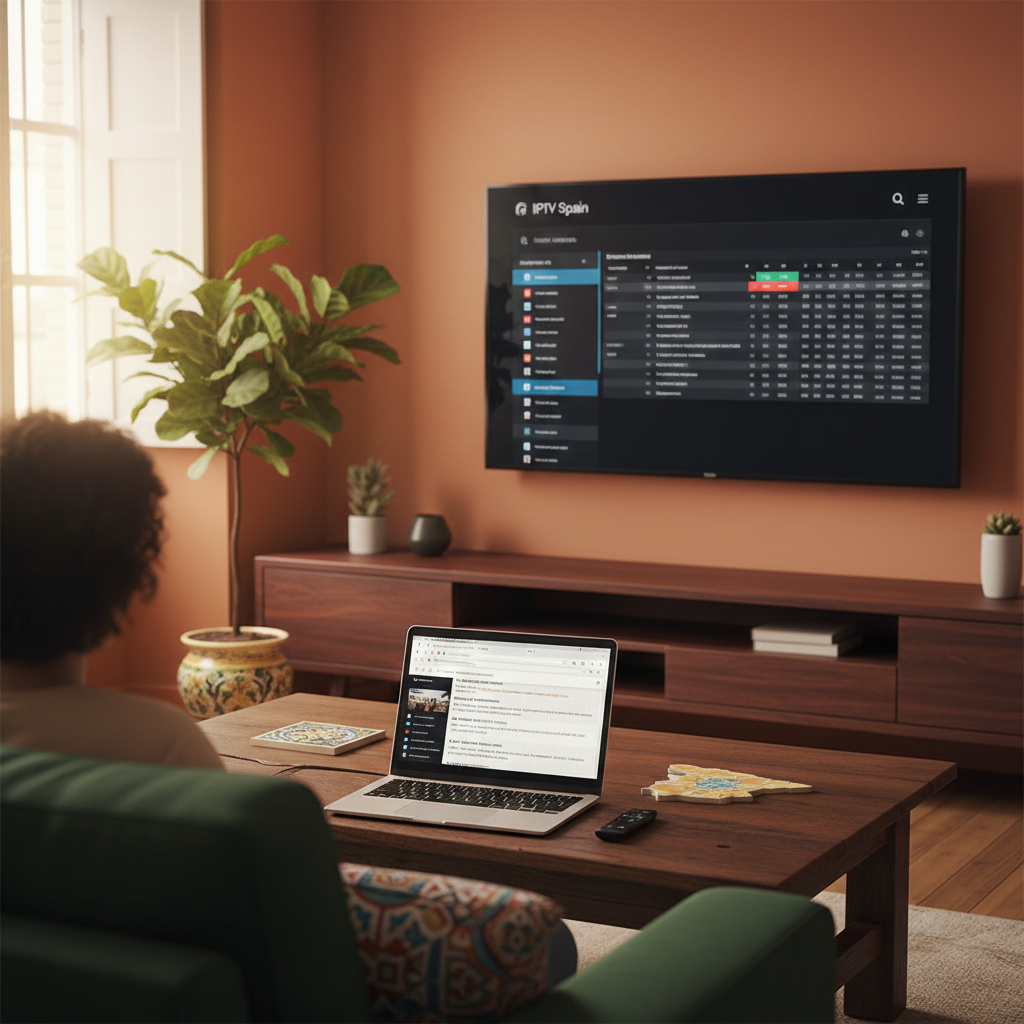
Varodatic IPTV is an internet-based television service that delivers live channels, movies, and international content directly through online streaming instead of traditional cable or satellite systems. In simple terms, it allows users to access a wide range of global entertainment on devices like Smart TVs, Firestick, Android TV, and mobile apps using a single subscription. The setup illustrated above reflects how modern IPTV platforms bring together multiple categories—sports, movies, and live TV—into one unified interface that is easy to navigate.
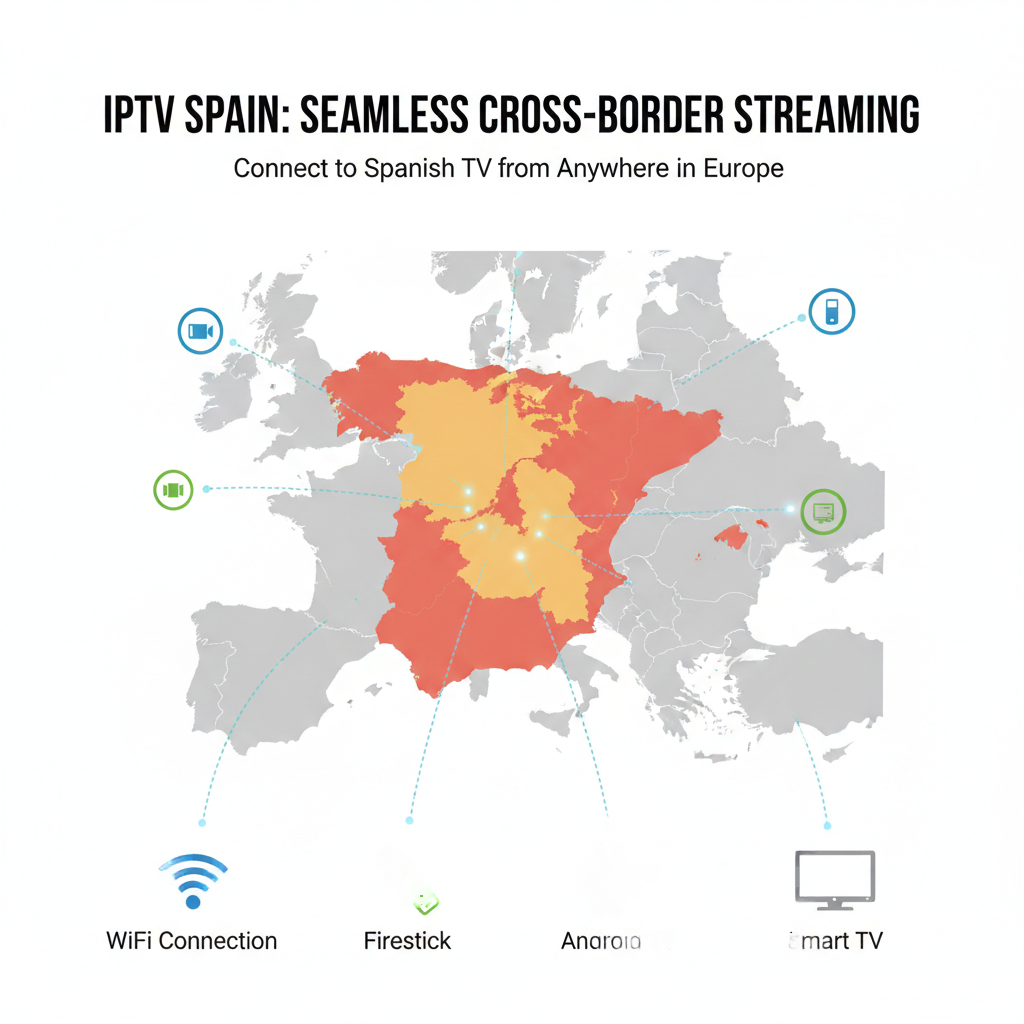
Unlike traditional broadcasting, Varodatic IPTV works by sending video streams from remote servers to your device in real time. When you select a channel, the content is instantly delivered through your internet connection, allowing you to watch without needing any physical installation like dishes or cables. For example, a user in Europe can access international channels or live sports events just as easily as someone in the USA, making it a flexible option for people who want global access from one platform. This is one of the reasons many users are switching to modern iptv services instead of relying on local providers.
Another important aspect is device flexibility. Varodatic IPTV is designed to work across multiple platforms, meaning you can start watching on a Smart TV at home and continue on a smartphone while traveling. In real-world use, this is especially useful for users who move between locations or prefer watching content on different screens throughout the day. The interface typically includes organized categories, favorites, and program guides, which makes browsing content faster and more intuitive compared to older TV systems.
From a practical perspective, choosing a service like Varodatic IPTV comes down to how well it performs in everyday conditions. Users should look at factors such as streaming stability, app responsiveness, and compatibility with their main devices. For instance, testing how quickly channels load or how smoothly the app runs during peak hours can give a clear idea of whether the service is reliable. A well-performing IPTV platform should feel consistent, simple to use, and capable of delivering content without interruptions.
Quick takeaway:
Varodatic IPTV streams global content by internet instead of cable
Works on Smart TV, Firestick, and mobile devices
Offers flexible, multi-device viewing across locations
How Varodatic IPTV Works Across Devices
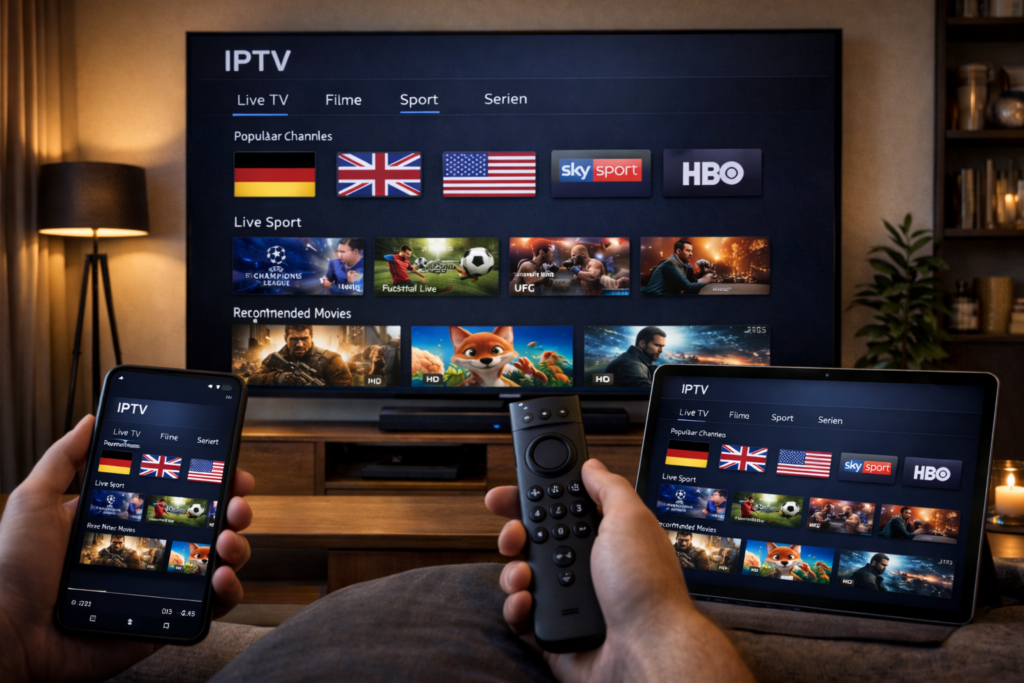
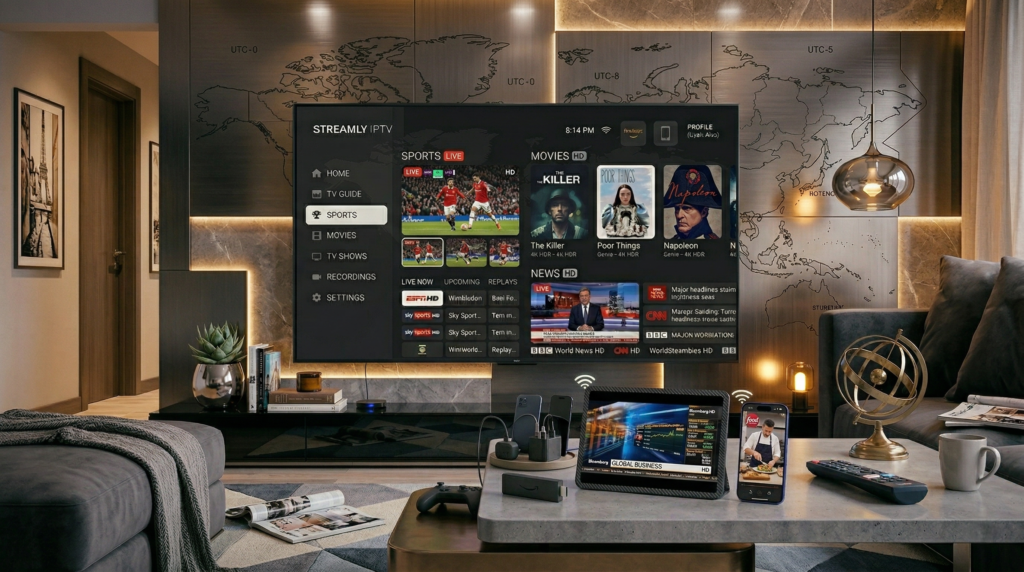
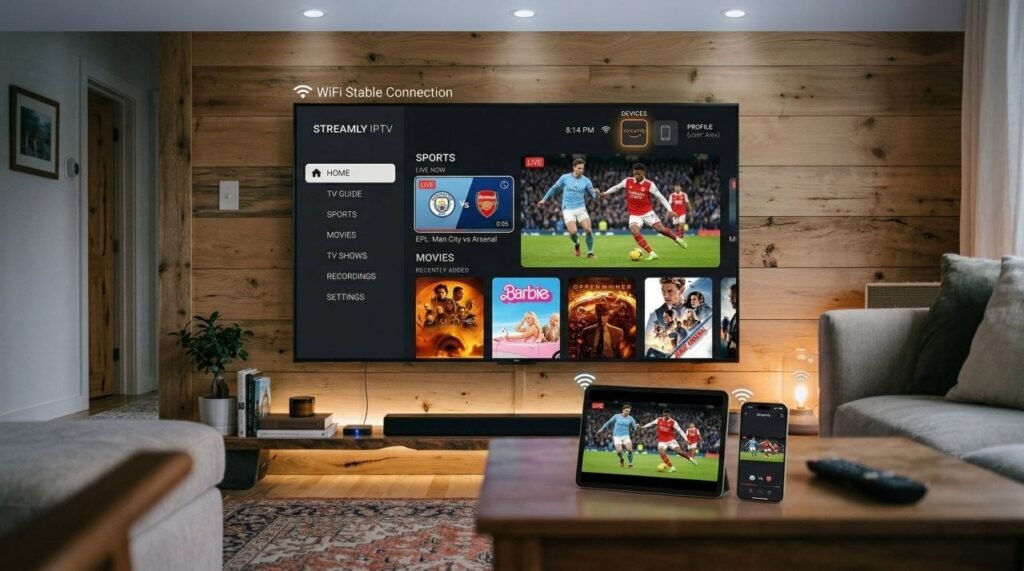
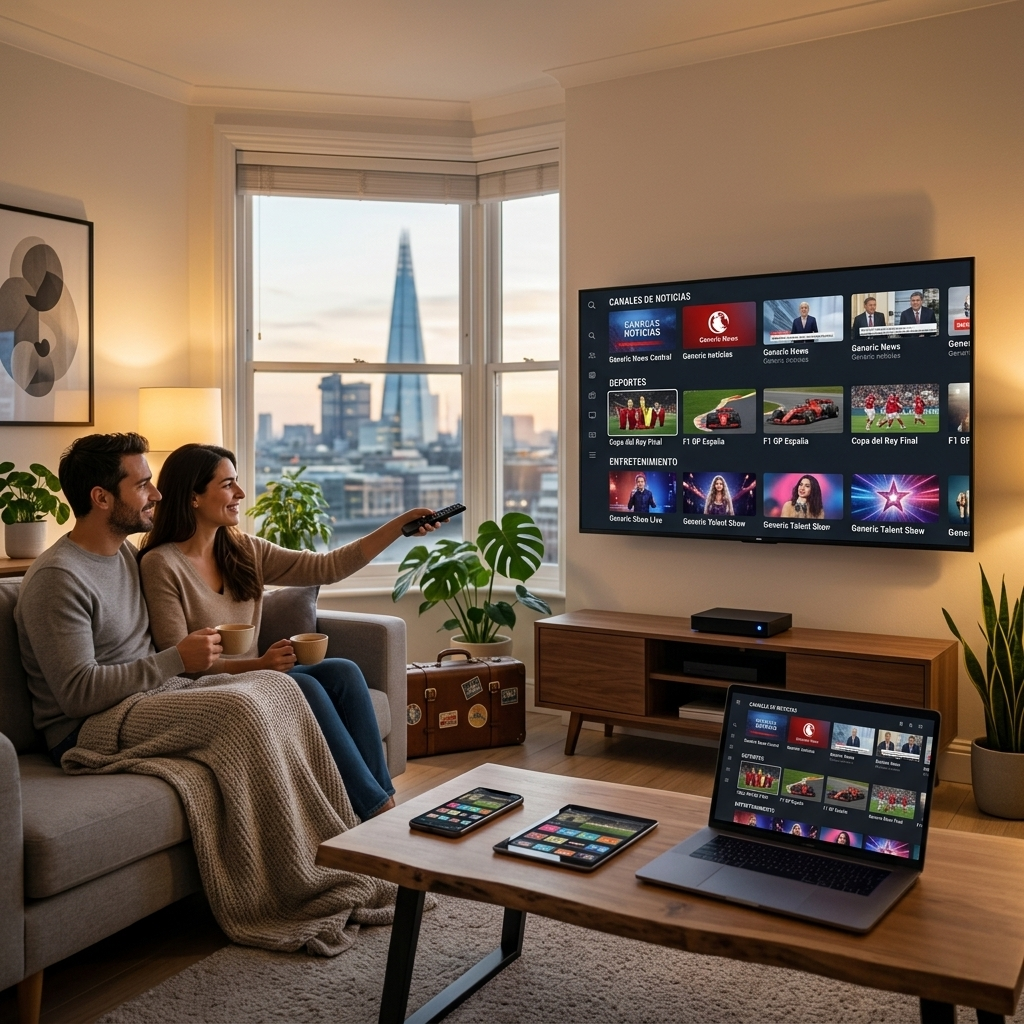
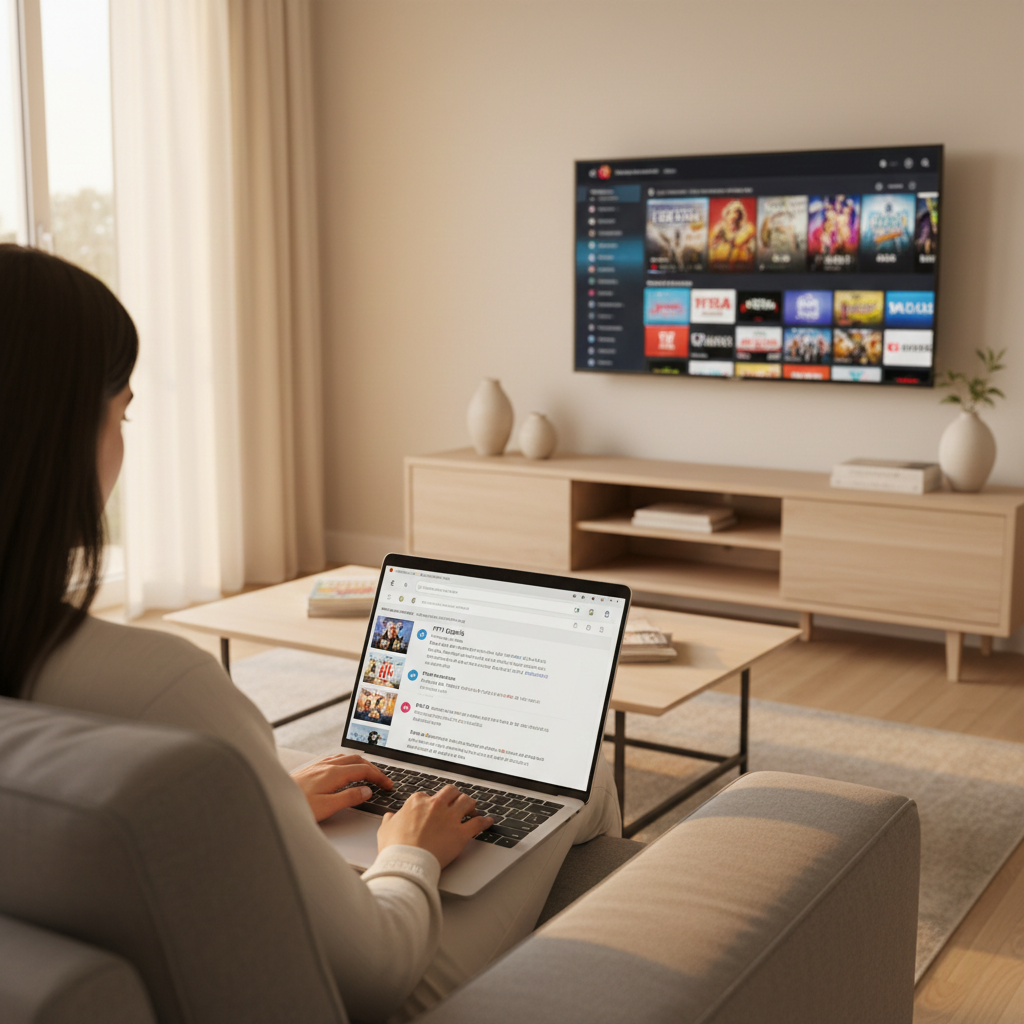
Varodatic IPTV works across devices by delivering streaming content through dedicated apps that are compatible with modern platforms like Smart TVs, Firestick, Android TV, and mobile devices. Instead of being limited to one screen, users can access the same subscription on multiple devices, allowing seamless viewing whether at home or on the go. The setup shown above reflects this multi-device flexibility, where the same interface and channel list are available across different screens without interruption.
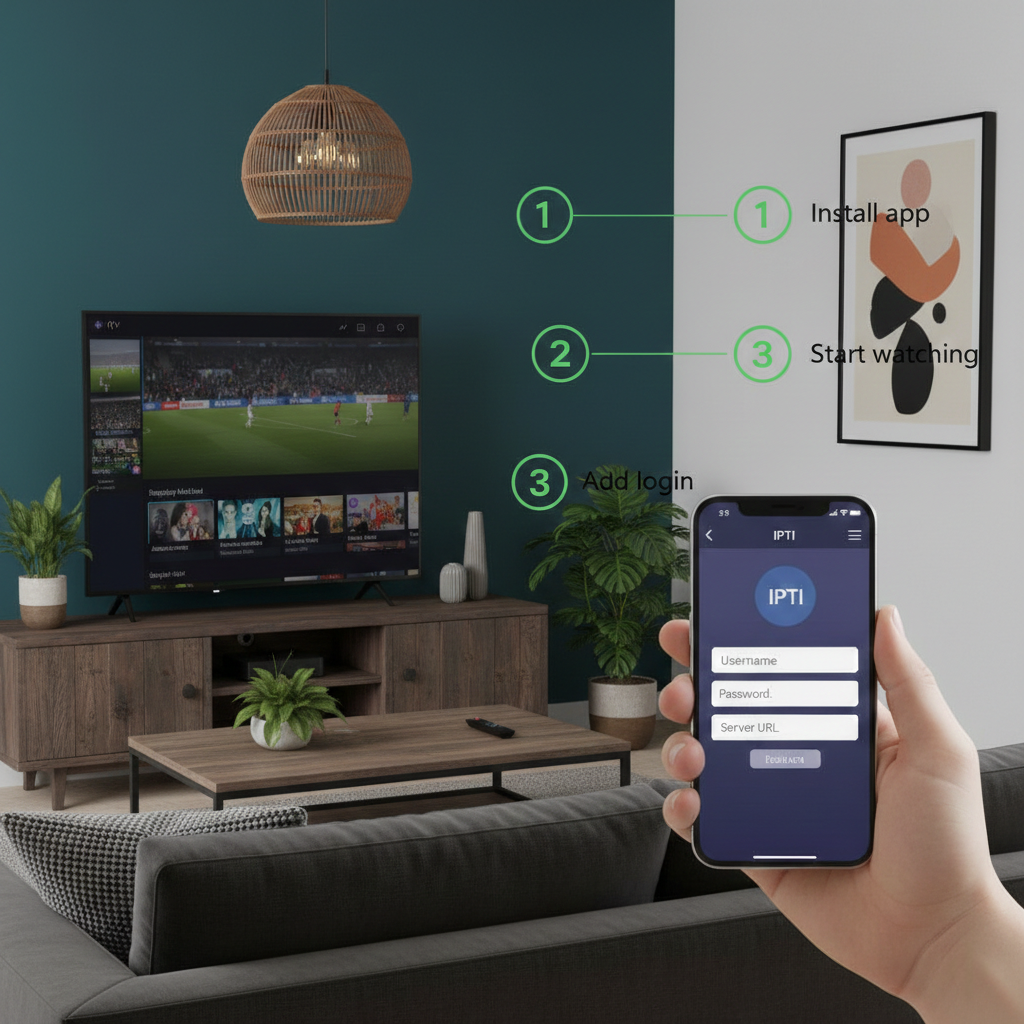
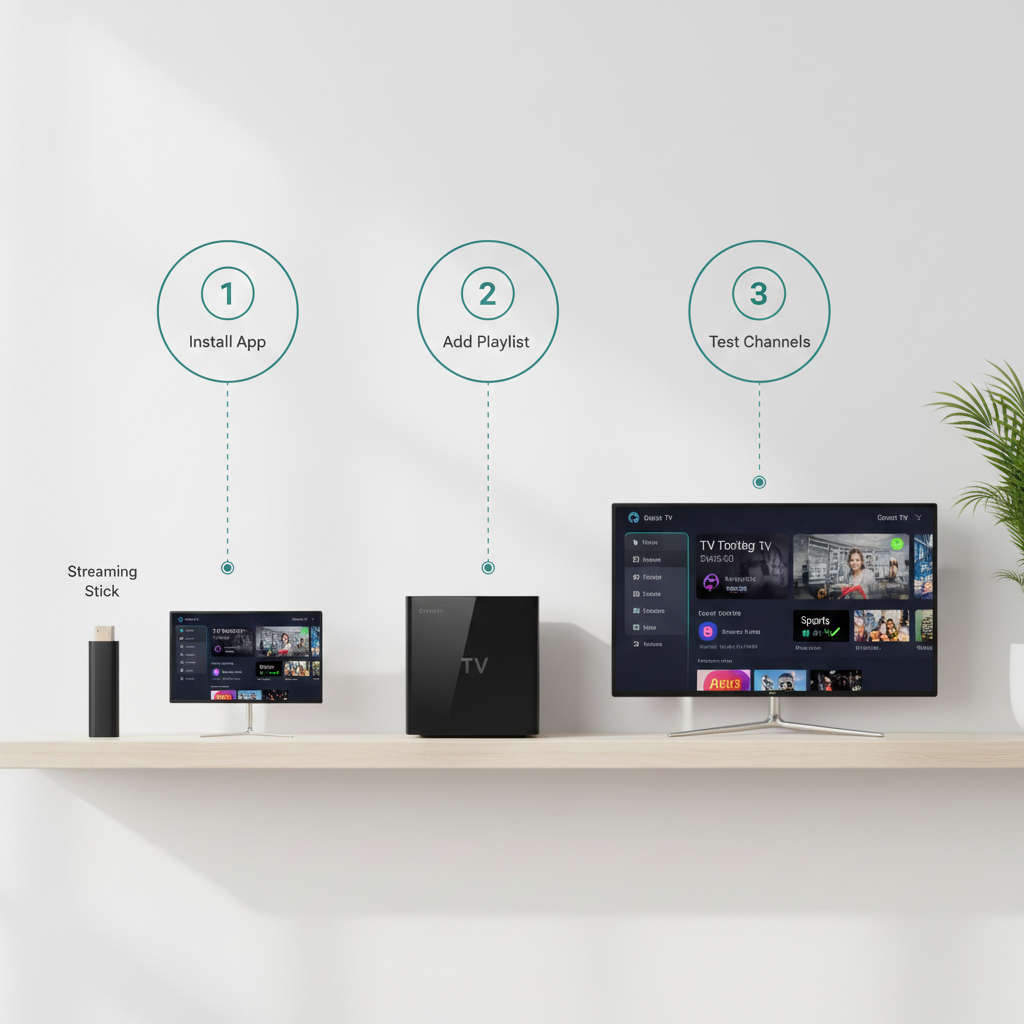
In practical terms, the process is simple. After subscribing, users receive login credentials or a playlist link, which is then added to an IPTV app. Once connected, the app loads a full channel list organized into categories such as sports, movies, and live TV. For example, a user might install the app on a Firestick connected to a living room TV, browse channels using a remote, and switch instantly between live broadcasts. Later, the same account can be used on a smartphone to continue watching without needing a different setup. This consistency across devices is one of the key advantages of modern iptv services.
Each device offers a slightly different experience depending on how it is used. On Smart TVs, the focus is on comfortable viewing with remote navigation and large-screen playback. Firestick devices are popular because they are easy to install and optimized for streaming apps, making them a practical choice for both new and experienced users. Mobile devices, on the other hand, prioritize flexibility—allowing users to watch content while traveling, commuting, or moving between locations. This adaptability ensures that the viewing experience remains consistent regardless of where or how the service is used.
Performance across devices depends on both the app optimization and the user’s setup. A well-designed IPTV app should load quickly, respond smoothly to navigation, and allow fast channel switching. For instance, if a user switches from a movie to a live sports channel, the transition should be nearly instant without buffering or delays. Ensuring that devices are updated, apps are optimized, and internet connections are stable plays a major role in maintaining this level of performance.
From a decision standpoint, users should test how the service behaves on their primary device before fully committing. Some platforms may perform better on Firestick than on older Smart TVs, while others offer balanced performance across all devices. Checking responsiveness, stream stability, and usability across multiple screens helps ensure that the service delivers a reliable and smooth experience in everyday use.
Quick takeaway:
Works across Smart TV, Firestick, Android TV, and mobile
Same account can be used on multiple devices
Performance depends on app quality and device setup
Key Features of Varodatic IPTV
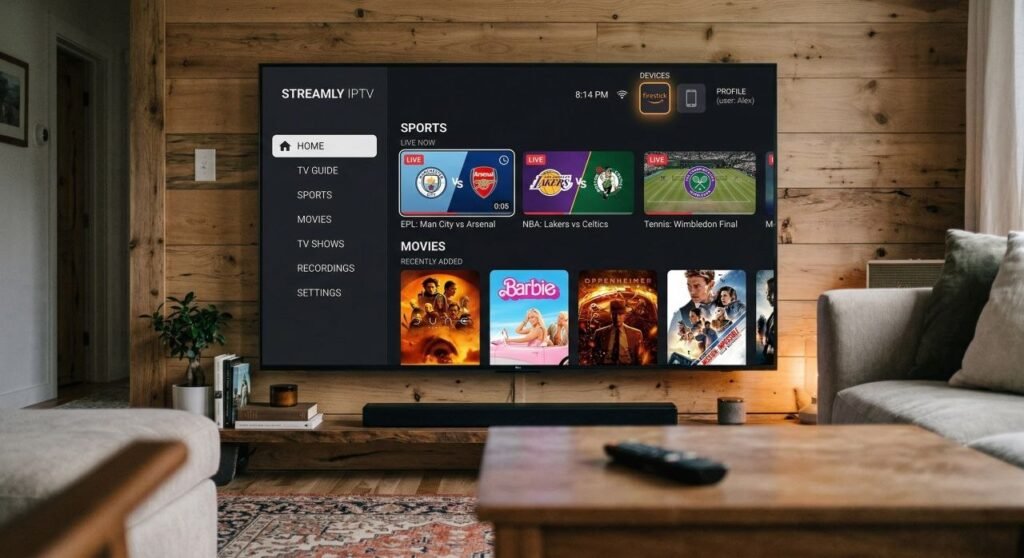
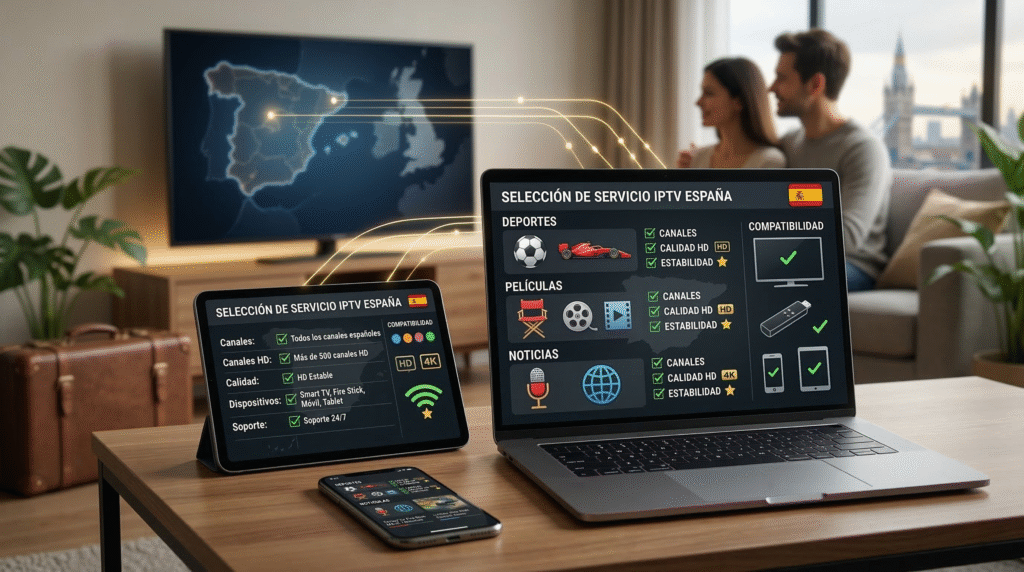
Varodatic IPTV stands out by combining content variety, streaming performance, and multi-device usability into a single service designed for everyday viewing. Instead of focusing only on channel quantity, it aims to deliver a balanced experience where users can access relevant content, navigate easly, and stream without interruptions. The interface shown above reflects this approach, with clearly organized categories and a structure that prioritizes usability over complexity.
One of the main features is the wide range of available channels and content categories. Users can access live TV, sports, movies, and international channels from different regions, all grouped into intuitive sections. For example, a viewer interested in live sports can quickly open the sports category and start watching without scrolling through unrelated channels. This type of organization saves time and makes the platform more practical for daily use compared to services that overload users with unstructured lists.
Streaming quality is another key element. A strong IPTV service should provide consistent HD or Full HD playback with fast loading times and minimal buffering. In real-world scenarios, this means being able to switch between channels instantly or watch a full movie without interruptions. Services like this typically rely on optimized servers to maintain performance, especially during peak hours when many users are online. This is where premium iptv services differentiate themselves—by focusing on stability rather than just offering more content.
Device compatibility also plays a central role. Varodatic IPTV is designed to work across Smart TVs, Firestick, Android TV, and mobile devices, allowing users to access the same content on different screens. For instance, someone might watch a live broadcast on a TV at home and later continue on a smartphone while traveling. The experience should remain consistent across devices, with responsive navigation and fast channel switching regardless of the platform used.
Additional features such as electronic program guides (EPG), favorites lists, and search functions further improve usability. These tools help users find content quickly and personalize their viewing experience. For example, saving favorite channels allows faster access without browsing through the entire list each time. These small but important features contribute to a smoother and more efficient IPTV experience overall.
From a practical standpoint, the value of these features depends on how well they perform together. A good IPTV setup should feel stable, easy to navigate, and reliable over time. Users should focus on how quickly channels load, how organized the interface is, and whether the app performs consistently across devices. When these elements are aligned, the service becomes a dependable solution for everyday streaming.
Quick takeaway:
Organized channel categories improve usability
Stable HD streaming is more important than channel quantity
Multi-device support ensures flexible viewing
Channels, Streaming Quality, and Device Support
Channels, streaming quality, and device support are the three core elements that define whether Varodatic IPTV delivers a smooth and reliable viewing experience. A good IPTV service is not just about offering a large number of channels—it must provide relevant content, stable playback, and consistent performance across all devices. When these three elements work together, users can enjoy a seamless experience similar to traditional TV, but with far more flexibility and control.
Channel availability is one of the first aspects users notice, but what matters most is relevance and usability. Instead of focusing on thousands of channels, a well-structured IPTV platform organizes content into clear categories such as sports, movies, news, and international channels. For example, a user looking for live sports should be able to access that category instantly without scrolling through long, unorganized lists. This type of organization, as reflected in the interface described earlier, makes daily use faster and more practical. It also ensures that users can quickly find the content they actually watch rather than being overwhelmed by unnecessary options.
Streaming quality is equally important and directly affects how enjoyable the service is. A reliable IPTV platform should provide consistent HD or Full HD playback with fast loading times and minimal buffering. In real-world scenarios, this means being able to watch a live match or a movie without interruptions, even during peak hours when many users are online. Services that rely on optimized servers and efficient data delivery systems tend to perform better, especially in regions where internet conditions can vary. This is a key factor that separates average services from premium iptv services that focus on stability and real performance.
Device support completes the experience by ensuring that users can access content across multiple platforms without issues. Varodatic IPTV is designed to work on Smart TVs, Firestick, Android TV, and mobile devices, allowing users to switch between screens easily. For instance, someone might start watching a program on a TV at home and later continue on a smartphone while traveling. The service should maintain the same level of performance across all devices, with responsive apps and smooth navigation regardless of the platform.
From a decision perspective, it’s important to evaluate how these three elements interact rather than considering them separately. Strong channel organization, stable streaming quality, and full device compatibility create a balanced system that supports everyday viewing. Testing how quickly channels load, how stable streams remain during peak hours, and how well the app performs on different devices can help determine whether the service meets expectations.
Quick takeaway:
Focus on channel relevance, not just quantity
Stable HD streaming is essential for daily use
Multi-device support ensures flexible viewing
Streaming Quality and Performance
Real Stability, Speed, and Peak Hour Performance
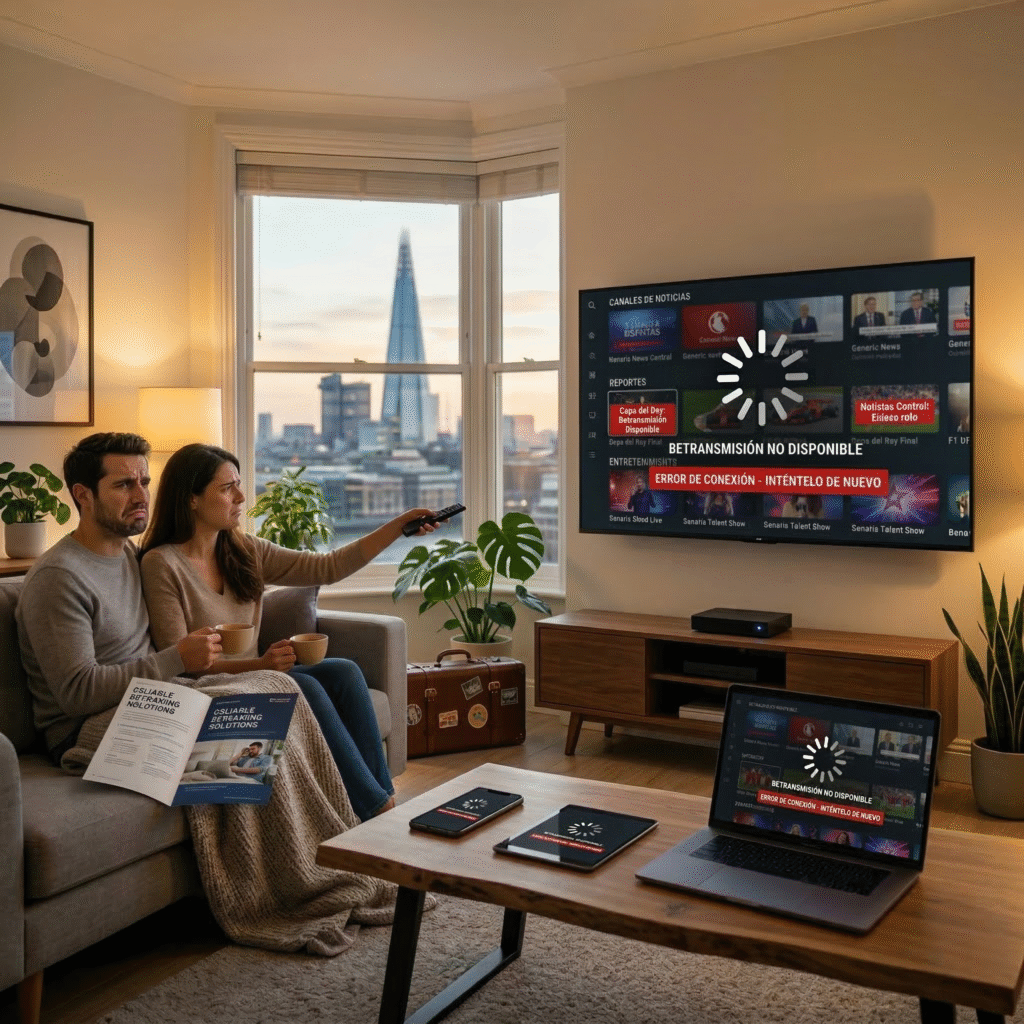
Real stability, speed, and peak hour performance are what truly define whether Varodatic IPTV can be trusted for everyday streaming. It’s not enough for a service to work well during short tests—what matters is how it performs when you actually use it, especially during busy Houres when thousands of users are watching live content at the same time. A reliable IPTV experience means fast channel loading, smooth playback, and minimal interruptions regardless of network demand.
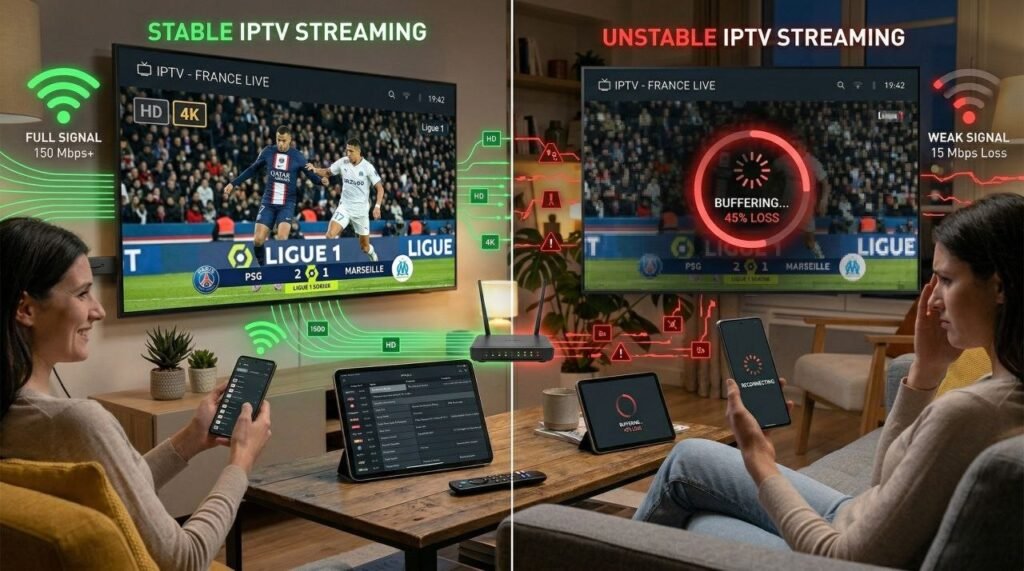
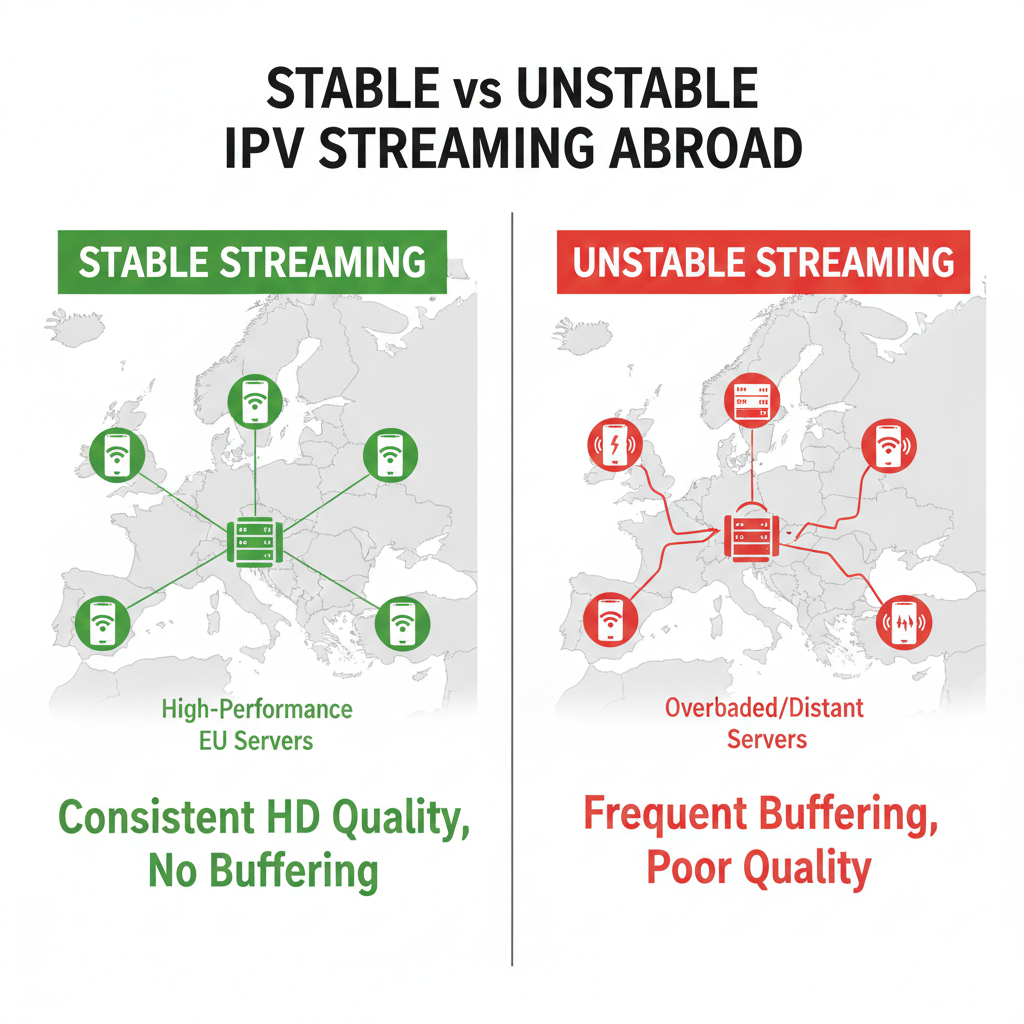
In real-world scenarios, peak hours are where many IPTV services fail. For example, watching a live football match in the evening often puts heavy pressure on servers and internet connections. Weak services may start buffering, delay streams, or reduce video quality. In contrast, a well-optimized platform maintains stable HD playback even under high load. This is achieved through strong server infrastructure and efficient data delivery, ensuring that users can watch live events without frustration. For users in regions like the USA or Europe, where network conditions can vary, this level of consistency becomes even more important.
Speed is another critical factor that directly affects usability. A high-quality IPTV setup should allow near-instant channel switching and fast app response times. For instance, when browsing channels on a Smart TV or Firestick, users expect a smooth experience similar to traditional TV, but without delays. If channels take several seconds to load or require repeated buffering, the experience quickly becomes frustrating. Services that focus on performance optimization ensure that transitions between channels are quick and seamless, improving overall satisfaction.
Device and network setup also play a role in maintaining stability. Even the best iptv services depend on a stable internet connection and a properly configured device. Using a wired Ethernet connection instead of Wi-Fi, positioning the router correctly, and keeping apps updated can significantly improve performance. For example, users who connect their Firestick directly to the router often experience fewer interruptions compared to those using weak wireless signals. Small adjustments like these can make a noticeable difference in daily streaming quality.
From a decision perspective, the best way to evaluate stability and performance is through real testing. Instead of relying on advertised features, users should check how the service behaves during peak hours, how quickly channels load, and whether streams remain consistent over time. A service that performs well under these conditions is far more likely to deliver a reliable experience in everyday use.
Quick takeaway:
Peak hour performance reveals real service quality
Fast channel switching improves usability
Stable connection and setup enhance streaming reliability
The best setup for smooth IPTV streaming is a combination of a reliable device, a stable internet connection, and a well-optimized app working together as one system. Even the strongest IPTV service will struggle if the setup is weak, while a properly configured environment can significantly improve performance, reduce buffering, and ensure consistent playback. A balanced setup allows users to enjoy fast channel loading, stable HD streams, and seamless navigation across different devices.
The first element to focus on is the device. Modern options like Firestick, Android TV boxes, and updated Smart TVs are specifically designed for streaming and provide better performance than older hardware. For example, a user watching live sports on a Firestick benefits from faster processing and smoother app navigation compared to outdated TVs. Devices with enough memory and updated software handle streaming data more efficiently, reducing freezing and delays. Choosing a device that supports popular iptv services ensures better compatibility and a more stable experience.
The second critical factor is your internet connection. Smooth streaming depends more on stability than raw speed. In real-world usage, users with consistent connections—especially wired Ethernet—experience far fewer interruptions than those relying on weak Wi-Fi signals. For instance, streaming during peak hours in the evening requires stable bandwidth to avoid buffering. Positioning your router closer to your device, minimizing background downloads, and using dual-band Wi-Fi can all improve performance. These small adjustments often make a noticeable difference in everyday viewing.
App optimization is another key part of the setup. A well-designed IPTV app should load quickly, organize channels clearly, and allow smooth navigation between content. Whether you are using a Smart TV at home or a mobile device while traveling, the app should provide consistent performance across all platforms. Features like favorites, search functions, and electronic program guides help streamline the experience and make daily use more efficient. Poorly optimized apps, on the other hand, can cause delays even when the connection and device are strong.
Finally, the overall balance of your setup determines long-term reliability. A strong device, stable connection, and optimized app must work together to deliver consistent results. Testing your setup during real conditions—such as live events or peak ساعات—helps identify weak points before they become frustrating. When everything is properly configured, IPTV becomes a smooth, dependable solution for accessing global content without interruptions.
Quick takeaway:
Use modern devices like Firestick or Android TV
Prioritize stable internet over raw speed
Optimize your app and network for best performance
Plans, Pricing, and Subscription Options
Choosing the Right IPTV Plan for Your Needs
Choosing the right IPTV plan comes down to aligning the subscription with how you actually watch content, not just picking the cheapest or longest option. A well-chosen plan should match your viewing habits, device usage, and expectations for stability. Instead of focusing only on price or duration, the goal is to select a plan that delivers consistent performance and flexibility in real-world use.
The first thing to consider is how often and where you watch content. For example, a user who watches daily on a Smart TV at home may benefit from a longer plan, while someone who streams occasionally on mobile or Firestick should start with a shorter option. Monthly plans are especially useful because they allow you to test performance under normal conditions. This is important since many iptv services may perform well initially but show issues like buffering or slow loading over time. Starting with a flexible plan reduces risk and gives you a clearer understanding of reliability.
Another key factor is content relevance and usage patterns. Instead of being influenced by large channel lists, think about what you actually watch—sports, movies, or international channels. A good iptv subscription should deliver those specific categories reliably. For instance, if you mainly watch live sports, the plan you choose should maintain stable streams during peak hours. If the service struggles during busy periods, even a low-cost plan becomes frustrating. Matching your plan to your content priorities ensures a better experience.
Pricing structure and long-term value should also be evaluated carefully. Very cheap long-term plans often come with compromises in quality, such as unstable servers or limited updates. On the other hand, slightly higher-priced plans may offer better performance, faster channel switching, and fewer interruptions. For example, a premium plan that maintains consistent HD streaming during live events provides more value than a cheaper option that constantly buffers. Looking at performance rather than just cost helps you avoid common mistakes.
Finally, consider flexibility and upgrade options. A good provider allows you to switch plans, test different durations, or upgrade based on your needs. This is especially useful if your usage changes over time—for example, moving from casual viewing on mobile to regular use on a Smart TV. Testing different plans, monitoring performance, and adjusting based on real usage helps you find the most suitable option without committing too early.
Quick takeaway:
Start with a monthly plan to test real performance
Choose based on your actual viewing habits
Prioritize stability and flexibility over low pricing
Common IPTV Issues and Performance
Buffering, Freezing, and Stability Explained
Buffering, freezing, and stability issues are the main factors that determine whether an IPTV experience feels smooth or frustrating. These problems are not random—they are usually caused by a combination of internet speed, device performance, and server quality. Understanding how each of these elements works helps you identify the real cause and fix it effectively instead of guessing.
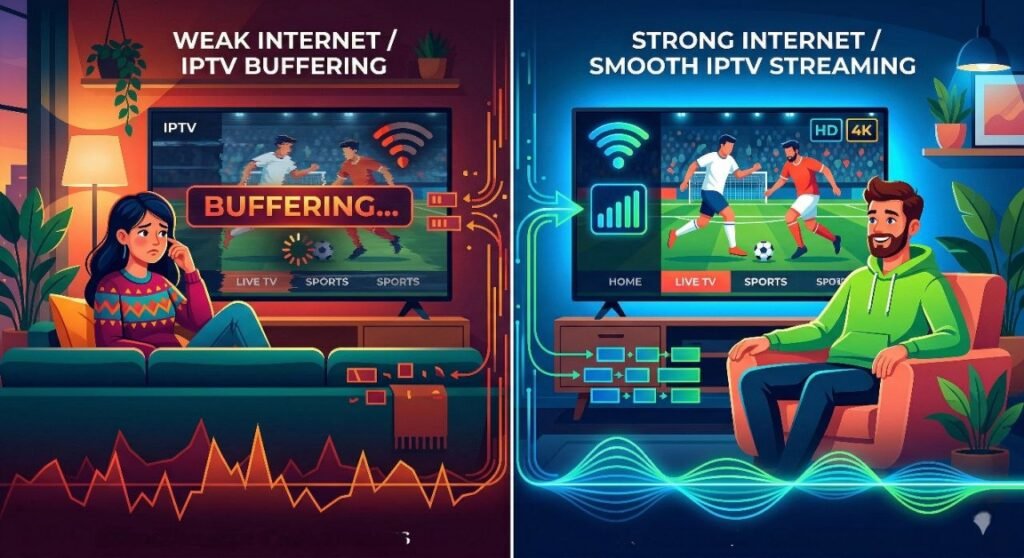
Buffering happens when your device cannot receive video data fast enough to keep playback continuous. For example, if you are watching a live sports event on a Smart TV while other devices are using the same network, your available bandwidth may drop, causing the stream to pause and load. This is especially common during peak hours when many users are online. Even strong iptv services can be affected if the connection is unstable. Using a wired Ethernet connection instead of Wi-Fi or reducing background internet usage can significantly improve streaming consistency.
Freezing, on the other hand, is often related to the device or app rather than the internet itself. A stream may stop or lag if the app is not optimized or if the device lacks processing power. For instance, older Smart TVs or low-performance devices may struggle to handle high-definition streams, leading to delays when switching channels or sudden pauses during playback. Keeping your apps updated, clearing cache regularly, and using modern devices like Firestick or Android TV can reduce these issues and improve responsiveness.
Stability is the overall result of how well your setup handles continuous streaming over time. A stable experience means channels load quickly, streams remain consistent, and playback does not degrade during peak usage. This depends heavily on server quality from the provider as well as your local network conditions. For example, during major live events, weaker services may become overloaded, causing interruptions or drops in quality. Choosing a provider with optimized infrastructure and testing performance during busy hours helps ensure long-term reliability.
In practical terms, improving stability requires balancing all elements of your setup. A strong internet connection, a capable device, and a reliable app must work together to deliver smooth playback. Small adjustments—such as upgrading your router, switching to a better device, or optimizing your network—can eliminate most common streaming issues without needing to change services.
Quick takeaway:
Buffering is usually caused by unstable or overloaded internet
Freezing often comes from device or app limitations
Stability depends on both your setup and server performance
Is Varodatic IPTV Worth It in 2026
Varodatic IPTV can be worth it in 2026 if your priority is stable streaming, multi-device access, and consistent performance rather than just a high number of channels. The real value of any IPTV service today is measured by how well it performs under everyday conditions—especially during peak hours and across different devices. A service like Varodatic stands out only if it delivers smooth playback, fast channel loading, and reliable access to the content users actually watch.
In practical use, the experience depends heavily on how the service handles real-world scenarios. For example, a user watching live sports on a Smart TV in the evening expects no buffering or delays, even when network traffic is high. If the service maintains stable HD streaming during these moments, it becomes a reliable option. On the other hand, if channels fail to load or streams drop during important events, the overall value decreases quickly. This is why testing performance during peak hours is essential before committing.
Another important factor is device compatibility and usability. A strong IPTV service should work smoothly on Firestick, Android TV, Smart TVs, and mobile devices without requiring complex setup. For instance, a user may start watching at home and continue on a smartphone while traveling. The app should remain responsive, with fast navigation and organized categories. Services that provide this level of flexibility tend to offer a better long-term experience, especially for users who switch between devices frequently.
Content relevance also plays a major role in determining value. Instead of focusing on the number of channels, the question is whether the service includes stable access to the content you care about—sports, movies, or international channels. A well-structured platform that prioritizes usability and performance over quantity will feel more complete in daily use. This aligns with how modern users choose iptv services, focusing on reliability rather than marketing claims.
From a decision perspective, Varodatic IPTV is worth considering if it meets three key criteria: consistent streaming quality, strong device support, and stable performance over time. The best approach is to test the service on your main device, observe how it performs during busy ساعات, and evaluate whether it fits your viewing habits. A service that performs well in real conditions is far more valuable than one that only looks good on paper.
Quick takeaway:
Worth it if performance stays stable during peak hours
Works best when tested on your main devices
Value depends on real usability, not channel count
Best IPTV Subscription 2026: Premium IPTV Services That Actually Deliver Stable Streaming
Choosing the best IPTV subscription in 2026 comes down to one thing: consistent, real-world performance—not promises. Many services claim to offer thousands of channels and ultra-fast streaming, but what actually matters is whether the service works smoothly every day on your devices. A premium IPTV setup should deliver stable HD streaming, fast channel switching, and reliable access to the content you care about, whether you’re watching live sports, movies, or international channels.
In practice, users today expect flexibility across devices and locations. For example, someone might watch a live match on a Smart TV at home, then continue on a mobile device while commuting. This is where modern iptv services stand out—they are built to support multi-device usage, responsive apps, and seamless transitions between screens. A high-quality iptv subscription should not only provide access to content but also maintain performance regardless of whether you are using a Firestick, Android TV, or smartphone.
Another key factor is how the service performs during peak hours. Many users experience buffering or slow loading when networks are busy, especially in the evening. A reliable provider invests in stable servers and optimized delivery systems to reduce these issues. For instance, watching a live event should feel smooth and uninterrupted, not delayed or constantly loading. This is where the difference between average and premium IPTV becomes clear—real performance under real conditions.
From a decision perspective, the smartest approach is to focus on usability, not marketing claims. Instead of choosing a service based on channel numbers or price alone, evaluate how quickly channels load, how stable the streams are, and how easy the app is to navigate. Testing the service on your main device and checking its behavior over time can help you avoid unreliable options and choose a setup that actually works for everyday streaming.
What Makes an IPTV Subscription Truly Reliable
Why channel count is not what matters anymore
The number of channels is no longer the most important factor when choosing an IPTV service—in fact, it’s often one of the most misleading. What truly matters is whether those channels actually work, load quickly, and match what you want to watch. Many providers promote huge libraries with thousands of options, but in real use, a large portion of those channels may be duplicates, low quality, or simply not functional.
In a typical scenario, users only watch a small percentage of available channels regularly. For example, someone in the USA or Europe may focus on sports, movies, and a few international networks. If those specific channels are stable and easy to access, the experience feels complete—even if the total number is lower. On the other hand, a service offering thousands of channels becomes frustrating if streams fail to load or take too long to start. This is why experienced users prioritize reliability over volume.
Another important point is how channels are organized and delivered. A well-structured IPTV platform groups content into clear categories like sports, news, and entertainment, making navigation simple and fast. In real-world usage, this means you can open the app, find your preferred category instantly, and start watching without scrolling through endless lists. Services that focus on usability and clean organization provide a much better daily experience than those that rely on overwhelming channel counts.
Performance also plays a major role in this shift away from channel quantity. Stable servers, optimized streaming, and fast channel switching are far more valuable than having access to content that doesn’t perform well. For instance, watching a live sports event without buffering or delay is more important than having access to hundreds of similar channels that may not even work properly. This is where premium IPTV options stand out—they focus on delivering fewer but better-performing streams.
When evaluating a service, it’s more effective to ask practical questions: Do the channels you care about load quickly? Are they stable during peak hours? Is the interface easy to use? These criteria help you choose a service that actually improves your viewing experience rather than complicating it.
Quick takeaway:
Channel quality matters more than quantity
Organized categories improve usability
Stable streaming is more valuable than thousands of channels
Key Features of the Best IPTV Subscription
Streaming quality, stability, and real performance
Streaming quality, stability, and real performance are what ultimately define whether an IPTV service is worth using on a daily basis. It’s not enough for a service to claim HD or 4K streams—what matters is whether those streams load quickly, play smoothly, and remain stable over time. A reliable experience means you can switch channels instantly, watch live events without interruption, and enjoy consistent video quality regardless of when you’re watching.
In real-world scenarios, performance becomes especially important during peak hours. For example, watching a live sports match in the evening—when thousands of users are online—puts pressure on both servers and your internet connection. Weak services often struggle in these conditions, leading to buffering, delays, or sudden drops in quality. In contrast, premium IPTV platforms invest in optimized servers and delivery systems that maintain stable playback even under heavy load. This difference is what separates a usable service from a frustrating one.
Another key factor is how quickly channels load and respond. A high-quality IPTV setup should allow near-instant channel switching, without long loading screens or repeated buffering. For instance, a user browsing channels on a Smart TV or Firestick expects a smooth, responsive experience similar to traditional TV—but with more flexibility. If channels take several seconds to load or fail intermittently, it disrupts the viewing flow and reduces overall usability.
Device performance and app optimization also contribute to streaming stability. Even with a strong service, a poorly optimized app or outdated device can cause lag or freezing. Modern IPTV services are designed to work across platforms like Android TV, Firestick, and mobile apps, but the experience depends on how well the app handles data and navigation. Keeping apps updated, using reliable players, and ensuring your device has enough processing power can significantly improve performance.
To evaluate real performance, it’s important to test the service under normal conditions—not just during short demos. Check how it behaves during live events, how stable the streams are over time, and whether quality remains consistent. This practical approach helps you avoid services that look good on paper but fail in everyday use.
Quick takeaway:
Stable streaming during peak hours is essential
Fast channel switching improves daily usability
App and device optimization directly affect performance
Best Devices for IPTV Streaming
Firestick, Smart TV, and mobile compatibility
Firestick, Smart TV, and mobile compatibility are essential for any IPTV service that aims to deliver a smooth and flexible viewing experience. A reliable setup should work seamlessly across all these devices, allowing users to switch between screens without losing performance or usability. In today’s streaming environment, people rarely watch content on just one device, so compatibility has become a core requirement rather than an extra feature.
Firestick is one of the most widely used options because it offers a simple and fast way to access IPTV content on almost any television. For example, a user can connect a Firestick to an older TV and instantly transform it into a modern streaming device. Most IPTV apps are optimized for Firestick, offering remote-friendly navigation, quick channel switching, and organized categories like sports, movies, and live TV. This makes it a practical choice for users who want a stable and easy-to-use setup without complex installation.
Smart TVs provide a more integrated experience by allowing direct installation of IPTV apps through built-in app stores. Devices running Android TV or Google TV typically offer better compatibility and smoother performance compared to older systems. A user can install an IPTV app, log in, and start watching without needing additional hardware. This setup is ideal for everyday viewing, especially when the interface is well-structured and responsive, similar to the multi-device environment illustrated earlier where content flows easily across screens.
Mobile devices add another layer of flexibility, allowing users to watch content anywhere. IPTV apps on smartphones and tablets are designed for touch navigation, making it easy to browse channels, search for programs, or continue watching on the go. For instance, someone might begin watching a live broadcast on a Smart TV at home and later continue on a mobile device while traveling. This continuity is a major advantage of modern iptv services, especially for users who move frequently between locations.
When choosing a service, it’s important to test how well it performs across your main devices. Some services work well on Firestick but struggle on mobile, while others offer consistent performance everywhere. Checking app responsiveness, loading speed, and stability on each device helps ensure that your setup remains reliable in daily use.
Quick takeaway:
Firestick offers simple and reliable IPTV access
Smart TVs provide an all-in-one viewing experience
Mobile devices enable flexible, on-the-go streaming
How to Choose the Best IPTV Subscription
What to check before paying
Before paying for any IPTV subscription, you should verify a few critical factors to avoid wasting money on unstable or low-quality services. The most important step is to test whether the service actually performs well in real conditions—not just how it looks on paper. A reliable IPTV setup should deliver fast loading, stable playback, and smooth navigation across your main devices.
The first thing to check is streaming performance and stability. Many providers advertise HD or even 4K channels, but the real question is whether those streams work consistently. For example, try watching a live sports event or switching between channels during peak hours. If you notice buffering, delays, or quality drops, it’s a sign that the service may not handle high demand well. A strong provider should maintain stable playback even when many users are connected at the same time.
Next, evaluate the channel lineup based on your actual needs. Instead of being influenced by large numbers, check whether the service includes the content you regularly watch—such as sports, movies, or international channels. A well-structured IPTV service should organize channels into clear categories, making navigation simple. In real-world use, this means you can quickly find what you want without scrolling through long, confusing lists filled with inactive streams.
Device compatibility and app performance should also be tested before paying. The service should work smoothly on devices like Firestick, Smart TVs, Android TV, and mobile apps. For instance, install the app on your main device and check how quickly it loads, how responsive it feels, and how fast channels switch. If the app is slow or unstable, it will affect your daily experience regardless of how good the channel list is.
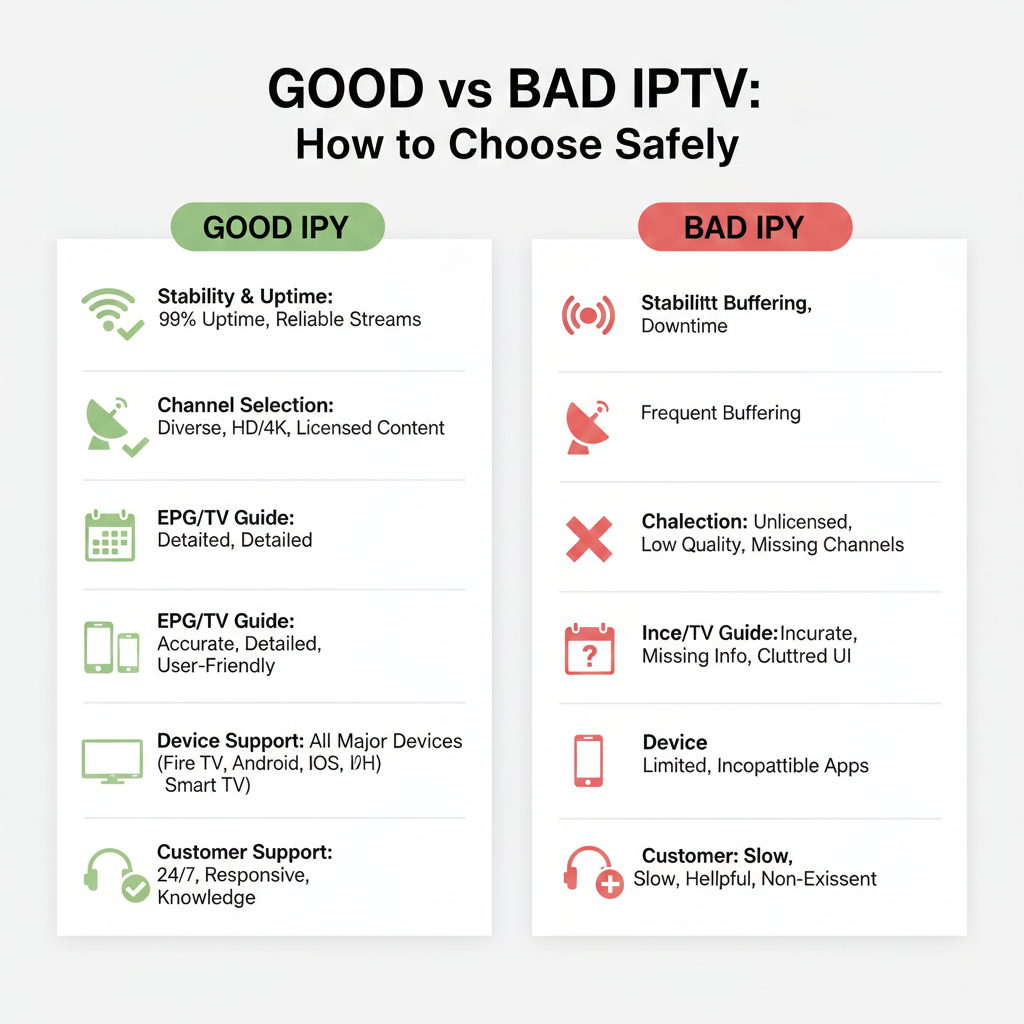
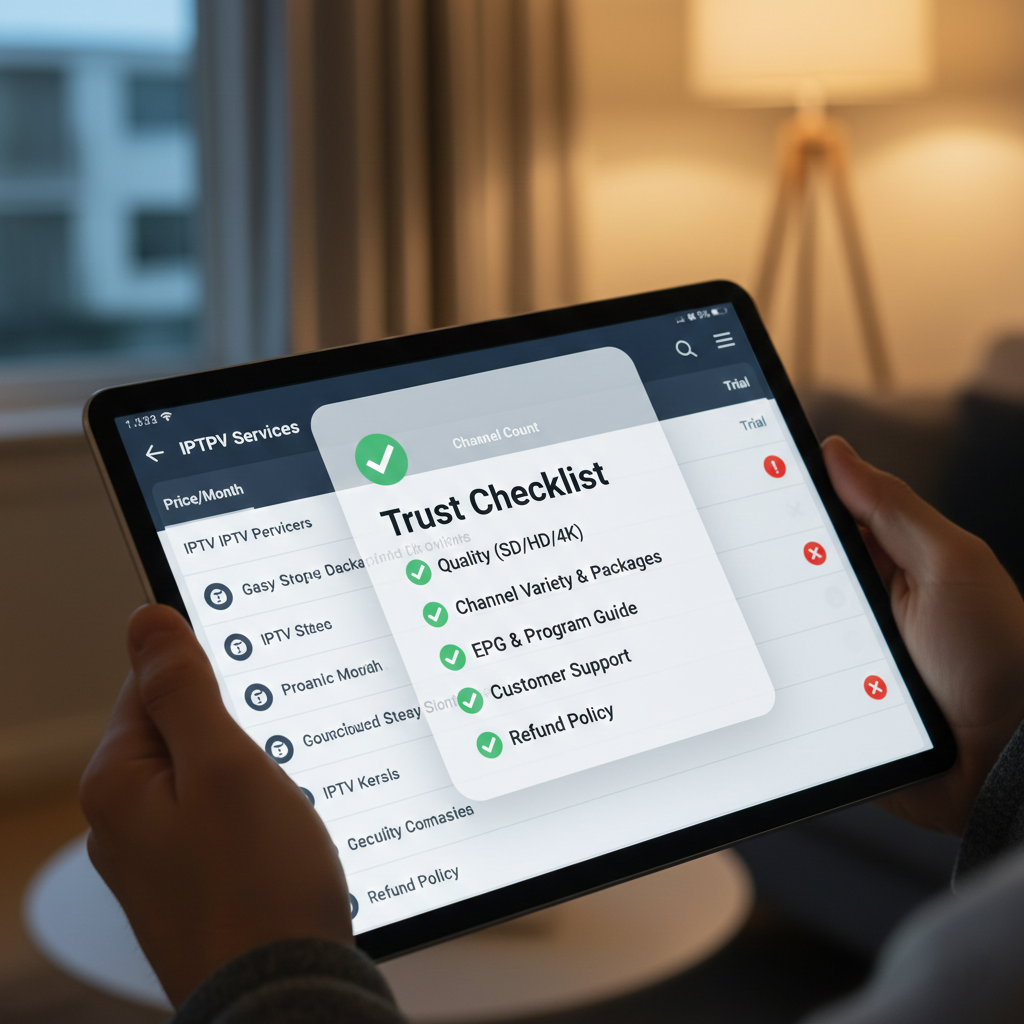
Finally, consider the type of plan and provider transparency. Avoid committing to long-term subscriptions without testing the service first. Monthly plans are usually safer because they allow you to evaluate performance over time. Also, check whether the provider offers clear information, updates, and some level of support. Services that lack transparency or push aggressive long-term deals without trials are often less reliable.
Buffering happens when your device cannot receive data fast enough to continue playing the stream smoothly. For example, if you are watching a live sports event on a Smart TV while other devices in your home are streaming or downloading, your bandwidth may drop, causing interruptions. Freezing, on the other hand, is often related to the app or device struggling to process the stream. This is common on older Smart TVs or when apps are not optimized, leading to delays when switching channels or sudden pauses during playback.
ISP throttling is a less obvious but very important factor, especially in regions like the USA and parts of Europe. Some internet providers intentionally slow down streaming traffic during peak hours or when high data usage is detected. In real-world scenarios, this means your IPTV service may work perfectly during the day but start buffering in the evening. This is not always a problem with the service itself, but with how the network handles streaming data. Recognizing this helps you avoid blaming the wrong source when performance drops.
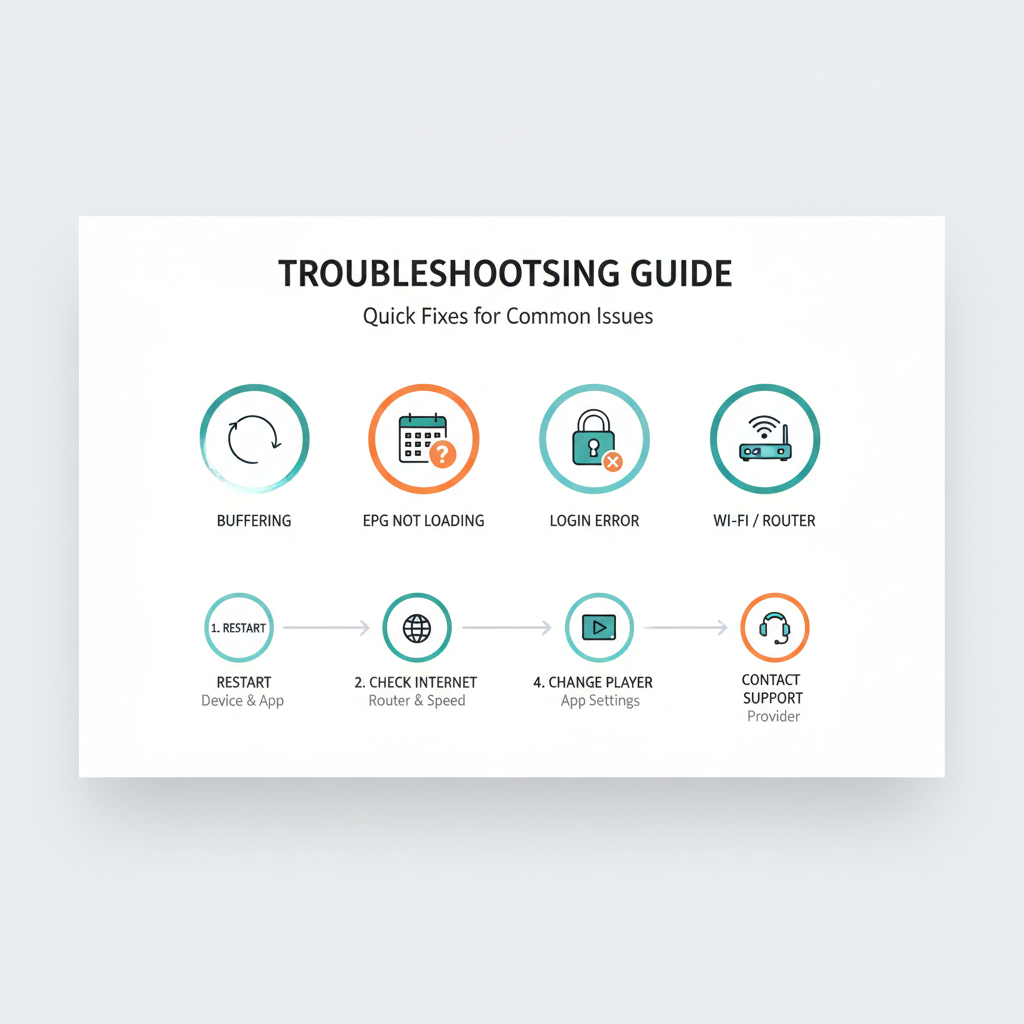
To reduce these issues, a few practical adjustments can make a big difference. Using a wired Ethernet connection instead of Wi-Fi improves stability, especially for devices like Firestick or Smart TVs. Positioning your router closer to your device or upgrading to a modern dual-band router can also help maintain consistent speeds. On the software side, keeping your IPTV app updated, clearing cache, and restarting your device regularly can prevent freezing and slow performance.
Choosing a reliable IPTV provider is equally important. Services with strong server infrastructure and optimized delivery systems are better equipped to handle high traffic without interruptions. Testing the service during peak hours and on your main device is one of the most effective ways to evaluate its real performance. This ensures that you are not just relying on advertised features, but on actual usability in everyday conditions.
Quick takeaway:
Buffering is often caused by weak or overloaded internet connections
Freezing usually comes from app or device limitations
ISP throttling can affect streaming during peak hours
How to Compare IPTV Services and Avoid Bad Deals
Red flags and fake IPTV promises
Red flags and fake IPTV promises are often easy to spot once you know what to look for, and avoiding them is key to choosing a service that actually works long term. The biggest mistake many users make is trusting marketing claims instead of real performance. A reliable IPTV experience is based on stability, usability, and consistency—not exaggerated features designed to attract quick sales.
One of the most common warning signs is unrealistic claims about channel numbers and streaming quality. Many providers advertise “10,000+ channels” or “zero buffering,” but in real use, a large portion of those channels may not work or may deliver poor quality. For example, users often discover that important channels fail during live events or take too long to load. Instead of focusing on numbers, it’s far more effective to evaluate whether the channels you care about are stable and easy to access.
Another major red flag is extremely low pricing combined with aggressive long-term offers. Deals that push yearly subscriptions at very low prices may seem attractive, but they often come with unstable servers and inconsistent service. In real-world scenarios, users may experience decent performance at first, followed by buffering, missing channels, or complete outages. Choosing flexible options first allows you to test the service before committing and reduces the risk of ending up with a poor-quality provider.
Lack of transparency is also a strong indicator of unreliable services. A trustworthy provider clearly explains how the service works, which devices are supported, and what level of performance to expect. In contrast, low-quality services often provide vague descriptions, limited setup guidance, or no clear support. For instance, if you cannot easily find information about compatibility with Firestick, Smart TV, or mobile apps, it may indicate that the service is not well maintained.
Finally, the app experience itself often reveals the true quality of a service. Slow loading times, poor navigation, broken categories, or frequent crashes are signs that the platform is not optimized. A well-built IPTV service should offer a clean interface, fast channel switching, and consistent updates. Testing the app and observing how it performs over time is one of the most reliable ways to separate trustworthy providers from those relying on fake promises.
Quick takeaway:
Ignore exaggerated claims about channel numbers and “perfect streaming”
Avoid very cheap long-term deals without testing
Check transparency, app quality, and real usability before choosing
Best Worldwide IPTV in 2026: How to Choose a Reliable IPTV Subscription in Europe, the USA, and Beyond
What Worldwide IPTV Means
How IPTV works across countries
IPTV works across countries by delivering television content through internet-based servers rather than relying on local broadcasting infrastructure. This means channels are streamed directly to your device from remote servers, allowing users to access content from different regions without needing a local cable or satellite connection. Whether someone is in the USA, Canada, or Europe, the same service can deliver international channels as long as the internet connection is stable and the device supports the IPTV app.
In practice, when a user selects a channel, the IPTV service sends compressed video data in small packets over the internet, which are instantly decoded and played on the device. For example, a viewer living in Canada can watch Spanish or European channels on a Smart TV or Firestick just as easily as someone in Spain. This cross-border functionality is what makes IPTV so appealing for expats, travelers, and users who want access to global content without restrictions tied to location.
However, performance can vary depending on the country and network conditions. Internet providers (ISPs) in different regions may manage traffic differently, which can affect streaming quality. For instance, some users in North America may experience slower speeds during peak hours or when streaming high-demand content like live sports. This is why many iptv services use optimized servers or anti-freeze technology to maintain stable playback across different regions. Choosing a provider with strong infrastructure is essential for consistent performance worldwide.
Device compatibility also plays a role in how IPTV performs across countries. Modern platforms such as Android TV, Firestick, Smart TVs, and mobile apps are designed to handle global streaming efficiently. A user might start watching a live channel on a television at home and later continue on a smartphone while traveling. This flexibility ensures that the viewing experience remains consistent regardless of location, as long as the device and app are properly configured.
From a practical standpoint, users should focus on testing how well a service performs in their specific region before committing. Factors like server location, app optimization, and network stability all influence the experience. A service that works perfectly in one country may perform differently in another, so real-world testing is always the best way to evaluate reliability.
Quick takeaway:
IPTV streams content globally using internet-based servers
Performance may vary depending on ISP and region
Compatible devices ensure consistent access across countries
What to Look for in a Good IPTV Service
A good IPTV service is defined by consistent performance, relevant content, and a smooth user experience across devices—not just by how many channels it offers. The most reliable services focus on stability, fast loading times, and easy navigation, ensuring that users can watch content without interruptions. Whether you’re using a Smart TV, Firestick, or mobile device, the service should feel responsive and dependable in everyday use.
The first thing to evaluate is streaming quality and reliability. A strong service should deliver HD or Full HD playback with minimal buffering, even during peak hours. For example, when watching a live sports event or news broadcast, channels should load quickly and play without freezing. Many iptv services use optimized servers or anti-freeze technology to improve performance, especially in regions where internet providers may slow down streaming traffic. Testing how the service performs during busy times is one of the best ways to assess its real quality.
Channel selection should also be based on relevance rather than quantity. Instead of being impressed by thousands of channels, focus on whether the service includes the content you actually watch. For instance, users may prioritize sports, movies, or international channels depending on their preferences. A well-organized interface—with categories like sports, entertainment, and news—makes it easier to browse and improves the overall experience. This becomes especially important when navigating on a TV using a remote control.
Device compatibility and app performance are equally important. A good IPTV platform should work smoothly across modern devices such as Android TV, Firestick, Smart TVs, and mobile apps. For example, a user might start watching on a television at home and continue on a smartphone later. The app should maintain fast navigation, quick channel switching, and stable playback across all devices. Features like favorites, search, and electronic program guides add to usability and make daily viewing more convenient.
Finally, service consistency and support should not be overlooked. A reliable provider maintains stable performance over time, offers regular updates, and provides some level of customer support if issues arise. Choosing a service with flexible plans—such as monthly subscriptions—allows you to test its performance before committing long term. This reduces the risk of ending up with a service that looks good initially but fails in regular use.
Quick takeaway:
Prioritize stable streaming over channel quantity
Choose services with relevant, well-organized content
Ensure compatibility across your main devices
Channels, streaming quality, and device support
Channels, streaming quality, and device support are the three core elements that determine whether an IPTV service is actually usable on a daily basis. A good setup is not about having the longest channel list—it’s about having the right channels, delivered in stable quality, and accessible across all your devices without friction. When these three factors are aligned, the viewing experience becomes smooth, reliable, and flexible.
Channel selection should always be based on relevance. Many providers promote thousands of channels, but most users regularly watch only a small portion. For example, someone in the USA or Europe may focus on sports, international content, movies, or local news. A well-structured service organizes channels into clear categories, making it easy to browse through a program guide and quickly find what matters. In setups like the one illustrated above, where channels are grouped logically, navigation becomes faster and far more intuitive—especially when using a remote control on a TV.
Streaming quality is equally critical. Even the best channel lineup becomes useless if streams constantly buffer or drop in resolution. A reliable IPTV platform should deliver consistent HD or Full HD playback with fast loading times and minimal interruptions. In real-world use, this means being able to switch channels during a live event without delays or watch a full movie without sudden drops in quality. Services that use optimized servers and stable delivery systems perform better, particularly in regions where network conditions can vary.
Device support completes the experience by ensuring flexibility. Modern users expect to watch content across multiple screens, and a good service should work seamlessly on Smart TVs, Firestick, Android TV, and mobile devices. For instance, someone might begin watching a live broadcast on a television at home and later continue on a smartphone while traveling. The service should maintain consistent performance across all platforms, with responsive apps and fast navigation regardless of the device used.
When evaluating a service, it’s important to consider these three elements together rather than separately. Strong channels, stable streaming, and full device compatibility create a balanced system that supports everyday viewing without frustration. Ignoring one of these factors often leads to an incomplete experience, even if the others perform well.
Quick takeaway:
Choose channels based on what you actually watch
Stable HD streaming is essential for daily use
Multi-device support ensures flexibility across screens
Best IPTV Setup for Europe and the USA
The best IPTV setup for Europe and the USA combines a reliable service, a stable internet connection, and a device that can handle high-quality streaming without delays. Instead of focusing only on the provider, the overall setup determines whether you get smooth playback or constant buffering. A well-balanced configuration ensures fast channel loading, consistent HD quality, and a seamless experience across different regions.
The first element to consider is the device you use. Modern options like Smart TVs, Firestick, and Android TV boxes are designed for streaming and provide better performance than older systems. For example, a user in Europe might use a Smart TV for daily viewing, while someone in the USA may rely on a Firestick for flexibility and app compatibility. These devices support most iptv services and offer responsive navigation, quick channel switching, and better handling of high-definition streams. Choosing a device with updated software and enough processing power is essential for avoiding lag and freezing.
The second key factor is your internet connection. Streaming across countries requires a stable and consistent connection rather than just high speed. In real-world scenarios, users with strong Wi-Fi or wired Ethernet connections experience fewer interruptions, especially during live events. For instance, watching sports in the evening—when networks are busy—requires stable bandwidth to prevent buffering. Using a modern router, reducing background internet usage, and positioning your device close to the router can significantly improve performance.
App optimization also plays a major role in the setup. A well-designed IPTV app should load quickly, organize channels into categories, and allow smooth navigation across content. Whether you are using a Smart TV in Europe or a mobile device in the USA, the app should deliver the same level of performance. Features like electronic program guides, favorites, and fast search functions make everyday use much easier and more efficient.
Finally, the overall balance of your setup determines long-term reliability. A strong device, stable internet, and optimized app must work together with a reliable service to deliver consistent results. Testing your setup during peak hours and across different devices helps ensure that everything performs well in real conditions. When all elements are aligned, IPTV becomes a dependable solution for watching global content without interruptions.
Quick takeaway:
Use modern devices like Firestick, Smart TV, or Android TV
Ensure a stable internet connection, preferably optimized or wired
Choose apps and services that perform consistently across regions
Firestick, Smart TV, and mobile basics
Firestick, Smart TV, and mobile devices form the foundation of most modern IPTV setups, and understanding how each works helps you choose the most practical and stable solution for everyday streaming. These devices are designed to access content through apps, making it easy to watch live TV, movies, and international channels without traditional cable. The setup illustrated above reflects how different devices connect to the same service, offering flexibility across screens and locations.
Firestick is one of the most popular options because it is affordable, easy to install, and optimized for streaming. Users simply connect it to a TV via HDMI, install an IPTV app, and log in to their subscription. For example, someone in the USA can set up a Firestick in minutes and access a full channel list organized into categories like sports, movies, and live TV. Firestick devices are especially useful for older TVs, turning them into modern streaming hubs with smooth navigation and reliable performance.
Smart TVs provide a more integrated experience since many models allow direct installation of IPTV apps from built-in app stores. Devices running Android TV or Google TV generally offer the best compatibility and smoother performance. A user in Europe might install an app directly on a Smart TV and start watching without needing extra hardware. This setup is ideal for home viewing because it simplifies everything into one device, although performance still depends on the TV’s processing power and app optimization.
Mobile devices add another level of flexibility by allowing users to watch content anywhere. IPTV apps on smartphones and tablets are designed for touch navigation, making it easy to switch channels, search for content, or continue watching on the go. For instance, a viewer might start watching a live broadcast on a Smart TV and later continue on a phone while traveling. This multi-device experience is one of the key advantages of modern streaming services.
When choosing between these options, it’s important to consider how and where you watch content most. Firestick is ideal for simplicity and performance, Smart TVs are best for integrated home setups, and mobile devices provide maximum flexibility. A well-balanced setup often includes more than one device, ensuring consistent access and performance in different situations.
Quick takeaway:
Firestick is easy to set up and works well with most TVs
Smart TVs offer an all-in-one streaming experience
Mobile devices provide flexibility for watching anywhere
How to Choose the Best IPTV Subscription
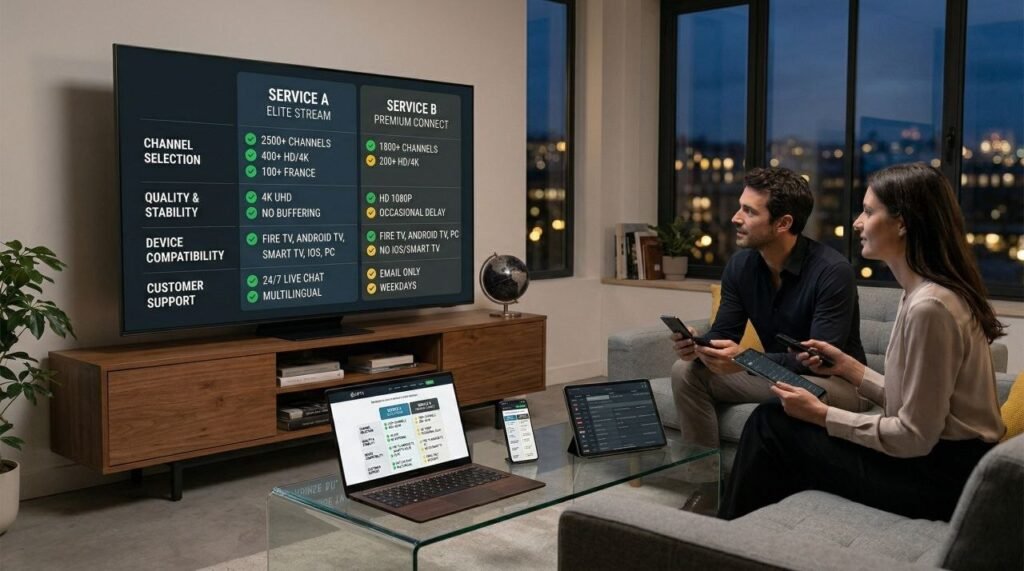
Choosing the best IPTV subscription means focusing on real performance, content relevance, and long-term reliability rather than marketing claims or low prices. A high-quality service should provide stable streaming, include the channels you actually watch, and work smoothly across your main devices. The setup shown above highlights how a balanced combination of service, app, and device creates a better viewing experience.
Start by evaluating the channel lineup based on your personal needs. Instead of being influenced by large numbers, check whether the service includes the content you regularly watch—such as sports, movies, or international channels. For example, a user in the USA or Europe may prefer a service that offers reliable sports coverage and entertainment channels rather than thousands of rarely used options. A well-structured interface with clear categories makes navigation easier and saves time during daily use.
Streaming quality and stability should be your next priority. A reliable IPTV subscription should deliver consistent HD playback without buffering, even during peak hours. In real-world scenarios, this means being able to watch live events or switch channels without delays. Services with optimized servers and strong infrastructure tend to perform better, especially in regions where network conditions vary. Testing the service during busy times is one of the most effective ways to evaluate its true performance.
Device compatibility is another key factor. The service should work seamlessly on devices such as Firestick, Smart TVs, Android TV, and mobile apps. For instance, a viewer might start watching on a television at home and later continue on a smartphone while traveling. The experience should remain consistent across all platforms, with fast loading times and responsive navigation. Apps that support features like favorites, search, and electronic program guides improve usability and make the service more practical for everyday viewing.
Finally, consider flexibility and reliability over time. Monthly plans are often the best option for testing a service before committing long term. A slightly higher price is often justified if the service offers better stability, faster streaming, and fewer interruptions. Checking user feedback, testing performance, and ensuring the service works well on your devices helps you make a more confident decision.
Quick takeaway:
Choose channels based on your actual viewing habits
Prioritize stable HD streaming over channel quantity
Test the service before committing long term
Plans, pricing, and service quality
Plans, pricing, and service quality are closely connected, and understanding how they work together is essential before choosing any IPTV subscription. The best option is not always the cheapest plan, but the one that delivers consistent streaming, reliable access to channels, and smooth performance across your devices. A well-balanced service ensures that what you pay reflects real usability, not just marketing promises.
Most providers offer monthly, quarterly, or yearly plans, each with different levels of flexibility. Monthly plans are often the safest starting point, especially for new users. For example, someone using a Firestick or Smart TV can subscribe for one month to test streaming quality, app performance, and channel availability. This approach allows you to evaluate whether the service delivers stable playback and fast channel switching before committing to a longer plan. Short-term subscriptions reduce risk and provide a clearer picture of real performance.
Pricing often reflects service quality, but only when evaluated correctly. Very cheap plans may seem attractive, but they often come with unstable streams, slow servers, or limited support. On the other hand, higher-priced or premium iptv services usually invest in better infrastructure, offering more stable connections and improved streaming quality during peak hours. For instance, watching live sports or major events is much smoother on services that maintain strong server performance rather than cutting costs.
Service quality goes beyond price and includes factors like server stability, app reliability, and content consistency. A high-quality service should deliver HD streams without frequent buffering, maintain organized channel categories, and provide a responsive app interface. In real-world use, this means being able to switch between channels quickly, browse content easily, and watch without interruptions. Services that regularly update their systems and maintain performance over time tend to offer a much better experience.
When comparing plans, it’s important to look at long-term value rather than just upfront cost. A slightly higher monthly fee can result in fewer technical issues, better streaming quality, and a more enjoyable experience overall. Testing different plans, checking performance during busy hours, and ensuring compatibility with your devices are practical steps that help you make a better decision.
Quick takeaway:
Monthly plans are ideal for testing before long-term commitment
Cheaper plans often mean lower stability and performance
Service quality depends on servers, apps, and consistency
Common IPTV Problems Worldwide
Common IPTV problems worldwide usually come down to three main issues: buffering, app instability, and inconsistent service quality. No matter where users are located—whether in Europe, the USA, or elsewhere—these challenges tend to appear when the setup, network, or provider is not optimized. Understanding these problems helps you avoid frustration and build a more reliable streaming experience.
One of the most frequent issues is buffering during live streams. This often happens when the internet connection is unstable or overloaded. For example, a user watching a live sports event in the evening may experience interruptions if multiple devices are using the same network. In global setups, performance can also vary depending on how internet providers handle streaming traffic. Many iptv services try to reduce this problem by using optimized servers, but the user’s network setup still plays a major role. Switching to a wired connection or improving Wi-Fi strength can significantly reduce buffering.
Another common problem is slow or unresponsive apps. Even with a strong connection, a poorly optimized app can cause delays when loading channels or navigating menus. This is especially noticeable on older Smart TVs or low-performance devices. For instance, a user might try to switch channels quickly but experience freezing or long loading times. Keeping apps updated, clearing cache, and using reliable IPTV players can improve performance and make navigation smoother.
Service instability is also a global concern. Not all providers maintain the same level of server quality, and weaker services may struggle during peak hours. This can lead to channels not loading, streams dropping, or sudden changes in video quality. For example, during major live events, some services may become overloaded, causing interruptions. Choosing a provider with stable infrastructure and testing performance during busy times can help avoid these issues.
Device compatibility and setup can further affect performance. Some services work better on certain devices, and outdated hardware can limit streaming quality. A modern setup—such as using a Firestick, Android TV, or updated Smart TV—usually provides better results than older systems. Ensuring that your device, app, and network are all optimized creates a more stable environment for streaming.
Quick takeaway:
Buffering is often caused by weak or overloaded internet connections
App performance depends on device quality and optimization
Reliable services and modern devices reduce most IPTV issues
Buffering, freezing, and unstable streams
Buffering, freezing, and unstable streams are the most common issues users face with IPTV, and they are usually caused by a combination of network conditions, device limitations, and service quality. These problems don’t happen randomly—they are often the result of weak connections, overloaded systems, or poorly optimized apps. Understanding the cause is the first step to fixing them and achieving a smoother viewing experience.
Buffering typically occurs when your device cannot receive video data fast enough to keep playback continuous. For example, if you are watching a live sports event on a Smart TV while other devices in your home are streaming or downloading, your connection may slow down, causing pauses or loading screens. This is especially noticeable during peak hours when many users are online. A stable connection—preferably through Ethernet or strong Wi-Fi—can significantly reduce buffering and improve playback consistency across most iptv services.
Freezing issues are often related to the device or app rather than the internet itself. A stream may stop or the screen may lock if the app is overloaded, outdated, or not optimized for your device. For instance, users on older Smart TVs or low-memory devices may notice freezing when switching channels quickly or after extended viewing sessions. Restarting the device, clearing app cache, or updating the IPTV player can resolve many of these problems and restore normal performance.
Unstable streams are usually linked to the service provider’s server quality. Some services struggle to maintain consistent playback when many users are connected, especially during live events. This can lead to sudden drops in quality, channel interruptions, or streams failing to load. Choosing a provider with strong server infrastructure and testing performance during busy periods can help avoid these issues. In setups like the one described earlier, where channels load quickly and remain stable, the difference in server quality becomes very clear.
Device setup and network configuration also play a critical role. Using modern devices such as Firestick, Android TV, or updated Smart TVs improves stream handling and reduces errors. Positioning your router correctly, using dual-band Wi-Fi, or minimizing background internet usage can further stabilize your connection. In many cases, small adjustments to your setup can eliminate most streaming problems without needing to change services.
Quick takeaway:
Buffering is caused by slow or overloaded internet connections
Freezing often comes from device or app limitations
Stable servers and optimized setups reduce most streaming issues
Best IPTV USA and Canada: How to Choose a Reliable IPTV Subscription in 2026
What Makes a Good IPTV Service in the USA and Canada
Channels, streaming quality, and device support
Channels, streaming quality, and device support are the three pillars that define whether an IPTV service is actually worth using on a daily basis. A good service is not just about offering a long list of channels—it must deliver the right content, play it smoothly, and work reliably across the devices you use most. When these three elements are balanced, the viewing experience feels seamless and comparable to traditional TV, but with far more flexibility.
Channel selection should always be evaluated based on relevance rather than quantity. Many services advertise thousands of channels, but users often watch only a small portion of them regularly. For example, a viewer in the USA or Canada may prioritize live sports, international content, and entertainment channels. A well-structured IPTV service organizes these channels into clear categories like sports, movies, and news, making it easy to navigate through the program guide. This organization becomes especially important when browsing on a TV screen, where quick access to favorite channels improves everyday usability.
Streaming quality is just as important as channel variety. Even the best channel lineup loses value if the streams buffer or drop in quality. High-definition and Full HD playback should be consistent, especially during live events such as sports or news broadcasts. In real-world use, someone watching a live match on a Smart TV expects instant loading and smooth playback without interruptions. Services that maintain stable servers and optimize data delivery tend to perform better, particularly in regions where network conditions may fluctuate.
Device support completes the experience by ensuring that the service works smoothly across different platforms. A reliable IPTV setup should function equally well on Firestick, Android TV, Smart TVs, and mobile devices. For instance, a user might start watching a movie on a Smart TV at home and later continue on a tablet or phone. This flexibility requires the service to maintain consistent performance, responsive navigation, and fast channel switching across all devices. Apps that support features like favorites, search, and electronic program guides further improve usability.
When evaluating a service, it helps to think of these three factors as a combined system rather than separate features. Strong channels, stable streaming, and full device compatibility work together to create a smooth and enjoyable experience. Ignoring any one of these elements often leads to frustration, even if the other two perform well.
Quick takeaway:
Focus on channels you actually watch, not total count
Stable HD streaming is essential for live content
Device compatibility ensures flexibility across screens
Best IPTV for Firestick, Smart TV, and Mobile
The best IPTV setup for Firestick, Smart TV, and mobile devices is one that combines a reliable service with a well-optimized app and stable performance across all platforms. In practice, this means choosing a provider that delivers smooth streaming, supports multiple devices, and works seamlessly with the apps available on each system. Users today rarely watch content on a single screen, so flexibility across devices has become just as important as channel availability.
Firestick remains one of the most popular options because it is affordable, easy to use, and optimized for streaming. A typical user installs an IPTV player, logs in with their subscription, and accesses a full channel list within minutes. The interface usually includes categories like sports, movies, and live TV, allowing quick navigation with a remote control. For example, someone in the USA might watch a live sports event on a Firestick-connected TV in the evening and switch between channels smoothly without delays. The best IPTV services for Firestick prioritize fast loading times, responsive apps, and stable servers.
Smart TVs offer a more integrated experience since many models support IPTV apps directly through their app stores. Devices running Android TV or Google TV generally provide better compatibility and smoother performance compared to older systems. A user can install an IPTV app, connect their subscription, and browse channels using the TV remote. This setup is ideal for everyday viewing because it removes the need for extra hardware. However, performance still depends on the quality of the app and how well the TV handles streaming tasks.
Mobile devices add another layer of convenience by allowing users to watch content anywhere. IPTV apps on smartphones and tablets are designed for touch navigation, making it easy to switch channels, search for programs, or watch on-demand content while traveling. For instance, a viewer might start watching a movie on a Smart TV at home and continue on a phone later without changing services. This kind of multi-device experience is one of the main reasons IPTV services continue to grow in popularity.
When choosing a service, it is important to ensure that it performs consistently across all devices. Some services work well on Firestick but struggle on mobile, while others offer a balanced experience everywhere. The best approach is to test how the app behaves on your main device and check whether it maintains stable streaming, clear navigation, and fast channel switching on others as well.
Quick takeaway:
Firestick is ideal for simple and fast IPTV setup
Smart TVs provide an all-in-one viewing experience
Mobile devices allow flexible viewing anywhere
What to look for before installing an IPTV app
Before installing an IPTV app, the most important step is to make sure the app is compatible with your device, stable in performance, and supported by your IPTV service. Many users rush into downloading the first app they find, but not all IPTV apps deliver the same experience. A good setup starts with choosing an app that works smoothly with your device—whether it’s Firestick, Smart TV, Android TV, or mobile—and supports the features you actually need for everyday viewing.
One key factor to check is app compatibility and system support. Some IPTV apps are designed specifically for certain platforms, such as Firestick or Android TV, while others may perform poorly on older Smart TVs. For example, a user installing an IPTV app on a Firestick should look for apps optimized for remote navigation, fast channel switching, and responsive menus. On mobile devices, the app should support touch controls and smooth playback. Choosing the wrong app can result in slow performance, crashes, or difficulty navigating channels.
Another important aspect is the user interface and features. A well-designed IPTV app should include a clear electronic program guide (EPG), organized channel categories, and simple navigation. In a typical scenario, a user opens the app and immediately sees categories like sports, movies, and live TV, making it easy to find content without confusion. Features like favorites lists, search functions, and catch-up TV can significantly improve the experience, especially for users who watch content regularly across different times of the day.
Performance and stability should also be evaluated before installing. Some apps may look good visually but struggle with loading streams or switching channels quickly. Reading user feedback or testing the app with a trial IPTV subscription can help identify whether the app handles streams efficiently. For instance, if an app takes too long to load channels or frequently freezes during playback, it can quickly become frustrating for everyday use.
Security and installation method are also worth considering. When installing apps outside official app stores—especially on devices like Firestick—users should ensure they are downloading from trusted sources. Enabling unknown sources is common for IPTV setups, but it should always be done carefully to avoid unreliable or unsafe apps. Choosing a trusted IPTV app reduces the risk of errors and ensures better long-term performance.
Quick checklist before installing:
Confirm compatibility with your device (Firestick, Smart TV, mobile)
Check for EPG, categories, and easy navigation
Ensure fast loading and stable performance
Use trusted sources for installation
Why app performance matters as much as channel count
App performance matters just as much as channel count because it directly affects how usable and enjoyable an IPTV service is on a daily basis. While many providers promote thousands of channels, the real experience depends on how quickly those channels load, how smoothly they play, and how easy it is to navigate between them. A large channel list loses its value if the app is slow, unstable, or difficult to use.
In real-world usage, performance issues become noticeable very quickly. For example, a user might open an IPTV app on a Firestick to watch a live sports event, but if the app takes several seconds to load channels or freezes during playback, the experience becomes frustrating. Even worse, slow navigation or delayed response when switching channels can make it difficult to browse content efficiently. This is why many experienced users prefer a slightly smaller but well-performing service over one with thousands of unreliable channels.
A well-optimized IPTV app ensures fast channel switching, stable playback, and responsive navigation. These elements are especially important on devices like Smart TVs and streaming sticks, where users rely on remote controls to move through menus. An app that is designed for performance will organize channels into clear categories, load program guides quickly, and maintain consistent streaming without interruptions. This allows viewers to focus on watching content rather than dealing with technical issues.
Another important aspect is how the app handles different types of content. Live TV, on-demand videos, and catch-up features all require efficient data handling. For instance, someone watching a movie on a Smart TV expects smooth playback without buffering, while a user browsing channels on a mobile device expects instant response when switching streams. Apps that are not optimized may struggle under these conditions, leading to delays, crashes, or reduced video quality.
When evaluating an IPTV service, it is important to test not only the channel lineup but also how the app performs in everyday situations. Check how quickly the app opens, how responsive it feels when navigating, and how stable the streams are over time. A good balance between channel availability and app performance ensures a much better overall experience than focusing on channel count alone.
Quick takeaway:
Fast loading and smooth navigation are essential for daily use
Stable playback matters more than having thousands of channels
Well-optimized apps improve both performance and usability
How to Choose the Best IPTV Subscription
Choosing the best IPTV subscription comes down to finding a balance between content, performance, and reliability rather than simply picking the cheapest or the one with the most channels. A high-quality service should deliver stable streaming, include the channels you actually watch, and work smoothly across your preferred devices. For users in the USA and Canada, where network conditions and device usage vary, making the right choice can significantly improve the overall viewing experience.
The first step is to evaluate the channel lineup based on your personal viewing habits. Instead of being influenced by large channel numbers, focus on whether the service includes the content you regularly watch—such as live sports, movies, or international channels. For example, a user who mainly watches sports and entertainment will benefit more from a well-curated package than from a service offering thousands of rarely used channels. A clear program guide with organized categories like sports, movies, and news also makes it easier to browse and use daily.
Streaming stability is another critical factor when selecting a subscription. A reliable IPTV service should provide consistent playback without buffering, especially during peak hours or live events. In practical terms, this means being able to watch a football match or a live broadcast without interruptions. Services that invest in strong servers and optimized delivery systems tend to offer better performance, particularly in regions where internet providers may slow down streaming traffic.
Device compatibility should also be considered before subscribing. A good IPTV subscription should work seamlessly on devices such as Firestick, Smart TVs, Android TV boxes, and mobile apps. For example, a viewer might start watching on a TV at home and continue on a smartphone later. The service should maintain the same level of performance across all devices, with fast loading times and smooth navigation. This flexibility ensures that the subscription remains useful in different situations and locations.
Finally, it is always recommended to test a service before committing long-term. Many IPTV providers offer short-term plans or trial access, allowing users to evaluate streaming quality, app performance, and channel availability. This helps avoid choosing a service that looks good on paper but performs poorly in real use. Taking the time to compare options based on real experience leads to a more reliable and satisfying IPTV setup.
Quick checklist:
Choose channels based on your actual viewing needs
Prioritize stable streaming over channel quantity
Ensure compatibility with your main devices
Test the service before committing
Monthly plans, premium IPTV options, and service quality
Monthly IPTV plans, premium options, and overall service quality are key factors that determine whether a subscription is worth it for long-term use. The best choice is not always the cheapest plan, but the one that delivers consistent performance, reliable access to channels, and a smooth viewing experience across your devices. Understanding how these elements differ helps you avoid common mistakes and choose a service that fits your needs.
Monthly plans are often the most practical starting point, especially for new users. They allow you to test the service without a long-term commitment. For example, someone using a Firestick or Smart TV in the USA might subscribe for one month to evaluate streaming quality, channel availability, and app performance. If the service meets expectations—stable streams, fast channel switching, and clear HD playback—it can then be worth considering longer plans. Monthly subscriptions also give flexibility if your viewing habits change or if you want to try different IPTV services.
Premium IPTV options usually focus on higher service quality rather than just offering more channels. These plans often include better server stability, faster loading times, and more reliable access during peak hours. For instance, when watching live sports or major events, premium services are less likely to buffer or drop in quality. They may also provide better-organized channel lists, updated content libraries, and support for multiple devices. While these options can be slightly more expensive, they often deliver a noticeably smoother experience for everyday viewing.
Service quality ultimately depends on how well all components work together: server performance, app reliability, and device compatibility. A high-quality IPTV service should maintain stable streams even when many users are online, and it should work consistently on Smart TVs, Firestick, and mobile apps. In real-world use, this means being able to switch from a movie to a live sports channel without delays or interruptions. Features like fast channel switching, clear program guides, and minimal downtime are strong indicators of a well-maintained service.
When comparing IPTV subscriptions, it helps to look beyond pricing and focus on long-term usability. A slightly higher monthly cost can often result in better performance, fewer technical issues, and a more enjoyable experience overall. Testing different plans, checking how the service performs during peak hours, and ensuring it works well on your main devices are practical steps that lead to a better decision.
Quick takeaway:
Monthly plans are ideal for testing flexibility and performance
Premium IPTV focuses on stability, speed, and better streaming quality
Service quality matters more than price for long-term use
What to check before paying for an IPTV sub
Before paying for any IPTV subscription, you should verify a few critical factors to avoid poor streaming quality, unreliable services, or wasted money. The best IPTV experience comes from a combination of stable performance, relevant channels, and compatibility with your devices—not just an attractive price or a large channel list.
Start by checking the actual channel lineup and content relevance. Many services advertise thousands of channels, but what matters is whether they include the channels you will actually watch. For example, a viewer in the USA or Canada may want a mix of international channels, sports coverage, and entertainment networks. It is more useful to have a well-organized selection of working channels than a massive list filled with broken or rarely used streams. A good IPTV service should clearly present categories like sports, movies, and news, making navigation simple and practical.
Streaming quality and stability should be your next priority. A reliable service should deliver consistent HD or Full HD streams without buffering, especially during peak hours such as live sports events. If possible, always test the service before committing to a long-term plan. For instance, a short trial on a Firestick or Smart TV can quickly reveal whether channels load fast, switch smoothly, and maintain quality over time. This real-world testing is often more valuable than any advertised feature.
Another important factor is device compatibility and app performance. The IPTV service should work smoothly on your main devices, whether that is a Smart TV, Firestick, Android TV box, or mobile phone. A well-designed IPTV app should offer fast navigation, a clear program guide, and minimal lag. If the app feels slow or crashes frequently, it will affect your daily viewing experience regardless of how good the channel list is.
You should also consider service reputation and support. Reliable IPTV services usually provide stable servers, regular updates, and responsive customer support. If something goes wrong—such as login issues or channel outages—having access to support can make a big difference. Reading user feedback or testing a short subscription can help you identify whether the service maintains consistent performance over time.
Finally, review pricing structure and flexibility. Monthly plans are often safer for first-time users, allowing you to evaluate performance before committing to longer subscriptions. A slightly higher price is often justified if the service delivers better stability, faster streaming, and fewer interruptions.
Quick takeaway:
Focus on channel relevance, not just quantity
Test streaming quality and stability before committing
Ensure compatibility with your main devices
Common IPTV Problems and How to Avoid Them
Common IPTV problems usually come down to three areas: buffering, app performance, and unstable service quality—but most of these issues can be avoided with the right setup and provider. Understanding what causes these problems helps you fix them quickly and choose a more reliable service from the start.
One of the most frequent issues users face is buffering during live streams. This often happens when the internet connection is unstable or when too many devices are using the same network at once. For example, if someone is watching a live football match on a Smart TV while others are streaming videos or downloading files, the connection may struggle to keep up. To avoid this, using a strong Wi-Fi signal or switching to a wired Ethernet connection can significantly improve streaming stability. In many cases, upgrading your router or reducing background internet usage also helps maintain smooth playback.
Another common problem is slow or unresponsive IPTV apps. Even with a good internet connection, a poorly optimized app can make navigation frustrating. Channels may take too long to load, or the app may freeze when switching between programs. This is especially noticeable on older devices or when the app has not been updated. For example, users on Firestick or Android TV devices may experience better performance by clearing the app cache, restarting the device, or using a more reliable IPTV player. Choosing a well-designed app is just as important as selecting the right service.
Service instability is also a major factor. Not all IPTV services maintain the same level of server performance, and some may struggle during peak hours when many users are connected. This can lead to channels not loading, streams dropping, or inconsistent video quality. A reliable IPTV provider typically invests in stable servers that handle high traffic without interruptions. Testing a service during busy times—such as evenings or live sports events—can give a clear idea of its real performance.
Device compatibility can also affect the overall experience. Some services work better on certain devices than others, and using outdated hardware can limit performance. For example, a modern Smart TV, Android TV box, or Firestick will usually provide smoother streaming than older devices. Ensuring your device supports updated apps and stable playback formats can prevent many technical issues before they start.
Quick takeaway:
Buffering is often caused by weak or overloaded internet connections
App performance depends on device quality and software optimization
Reliable services and compatible devices reduce most IPTV issues
Buffering, freezing, and unstable streams
Buffering, freezing, and unstable streams are the most common issues users experience when watching IPTV, and they are usually caused by network limitations, device performance, or server quality. The key to avoiding these problems is understanding where they come from and how to fix them before they interrupt your viewing experience.
Buffering typically occurs when your device cannot receive data fast enough to continue playing the stream smoothly. This often happens when the internet connection is too slow, unstable, or shared between multiple devices. For example, if you are watching a live sports event on a Smart TV while others in the household are streaming videos or gaming online, the available bandwidth may drop, causing pauses or loading delays. Switching to a wired Ethernet connection, upgrading your internet plan, or reducing background usage can significantly improve stability.
Freezing issues are slightly different and often relate to how the IPTV app or device processes the stream. A frozen screen may occur if the app crashes, the device runs out of memory, or the stream fails to refresh properly. This is common on older devices or when apps are not updated regularly. For instance, users on Firestick or Android TV devices may notice freezing when switching channels quickly or after long viewing sessions. Restarting the device, clearing app cache, or reinstalling the IPTV app can often resolve these issues.
Unstable streams are frequently linked to the IPTV service itself. Not all providers maintain the same level of server performance, and weaker services may struggle during peak viewing hours. This can lead to channels dropping, quality fluctuating between HD and lower resolutions, or streams stopping entirely. A reliable IPTV service should provide consistent playback even when many users are connected, especially during live events. Testing a service during busy hours is one of the best ways to evaluate its real stability.
Device and setup also play a major role in stream performance. Modern devices such as Smart TVs, Android TV boxes, and updated streaming sticks handle IPTV streams more efficiently than outdated hardware. Positioning your router closer to the device, using dual-band Wi-Fi, or optimizing your home network can further improve performance. In many cases, small adjustments to your setup can eliminate most streaming issues without needing to change services.
Quick takeaway:
Buffering is usually caused by slow or overloaded internet connections
Freezing often comes from app or device limitations
Stable IPTV services and optimized setups reduce most streaming problems
How device setup affects IPTV performance
Device setup plays a major role in IPTV performance, often making the difference between smooth streaming and constant buffering or freezing. Even with a good IPTV service, poor device configuration or outdated hardware can lead to slow channel loading, unstable streams, and frustrating navigation. Optimizing your setup ensures that the service performs as intended across all your devices.
One of the most important factors is the type of device you use. Modern devices such as Smart TVs, Android TV boxes, and streaming sticks like Firestick are designed to handle high-definition streaming efficiently. Older devices, on the other hand, may struggle with newer apps or high-bitrate streams. For example, a user watching IPTV on a recent Android TV device will usually experience faster channel switching and better playback compared to someone using an outdated Smart TV system. Choosing a device with sufficient processing power and updated software is essential for consistent performance.
App optimization is another key element. IPTV apps act as the interface between the service and your device, and their performance can directly affect your experience. A well-optimized app should load quickly, allow smooth navigation between categories, and switch channels without delays. If the app is poorly optimized or outdated, it may freeze, crash, or take too long to load streams. Regularly updating the app, clearing cache, and avoiding unnecessary background apps can significantly improve responsiveness.
Network setup also interacts closely with device performance. Even the best device will struggle if the connection is weak or unstable. For example, a Firestick connected through a weak Wi-Fi signal may experience buffering, while the same device connected via Ethernet or strong Wi-Fi will perform much better. Positioning your router correctly, using dual-band Wi-Fi, or connecting devices directly with a cable can improve streaming quality. This is especially important in households where multiple users are online at the same time.
Storage and system resources should not be overlooked either. Devices with limited storage or memory can slow down over time, especially if multiple apps are installed. Clearing unused apps, freeing up space, and restarting the device regularly helps maintain performance. For instance, users who keep their streaming device clean and updated often notice faster navigation and fewer playback issues compared to overloaded devices.
Ultimately, a well-optimized device setup ensures that IPTV services deliver stable streams, fast channel switching, and a smoother overall experience. Instead of focusing only on the service itself, improving your device and network environment can solve many common issues and enhance daily viewing.
Quick takeaway:
Modern, updated devices provide better IPTV performance
Optimized apps and cleared storage improve speed and stability
Strong network setup is essential for smooth streaming
Best IPTV Setup for Smooth Everyday Streaming
The best IPTV setup for smooth everyday streaming combines a reliable device, a stable internet connection, and a well-optimized app. When these three elements work together, you get fast channel loading, consistent HD playback, and an experience that feels as seamless as traditional television—without interruptions or technical issues.
Start with choosing the right device. Modern streaming hardware such as Smart TVs with updated systems, Android TV boxes, or Firestick devices are built specifically for handling high-quality streaming. For example, a user watching live sports or movies on a recent Firestick will usually experience faster navigation and fewer delays compared to older TV systems. Devices with good processing power and regular updates ensure that IPTV apps run smoothly and channels switch quickly.
Next, focus on your internet setup. A stable connection is essential for avoiding buffering and maintaining consistent streaming quality. For everyday use, a strong Wi-Fi signal may be enough, but for the best results—especially during live events—an Ethernet connection is often more reliable. In real-world scenarios, users who connect their streaming device directly to the router tend to experience fewer interruptions than those relying on weak wireless signals. Reducing network congestion by limiting background downloads or streaming on other devices can also improve performance.
App selection and optimization are equally important. A well-designed IPTV app should provide a clear interface, fast channel switching, and a structured program guide with categories like sports, movies, and news. For instance, users who install a stable IPTV player on their Smart TV or Android device often benefit from smoother navigation and better playback compared to poorly optimized apps. Keeping the app updated, clearing cache regularly, and avoiding unnecessary background processes can help maintain consistent performance.
Finally, consider overall system balance. Even the best IPTV service will not perform well if one part of the setup is weak. A high-quality service paired with a modern device and optimized network creates a stable environment for daily viewing. This means you can switch between channels, watch live events, and enjoy on-demand content without delays or interruptions. A well-balanced setup is what transforms IPTV from a basic streaming option into a reliable everyday entertainment solution.
Quick takeaway:
Use modern devices like Smart TVs, Android TV boxes, or Firestick
Ensure a stable internet connection, preferably with Ethernet
Choose and maintain a well-optimized IPTV app for smooth performance
Firestick and Smart TV setup basics
Firestick and Smart TV setup is the foundation of a smooth IPTV experience, and getting it right from the start can eliminate most common streaming issues. A proper setup ensures fast app performance, stable playback, and easy navigation through channels, making everyday viewing simple and reliable.
The first step is choosing the right device configuration. Smart TVs with updated operating systems (such as Android TV or Google TV) allow users to install IPTV apps directly, while Firestick devices offer a flexible and affordable alternative for almost any television. For example, a user with an older TV can connect a Firestick and instantly transform it into a modern streaming platform. Both options support IPTV apps, but Firestick often provides faster updates and broader app compatibility.
Once the device is ready, installing a reliable IPTV app is essential. Most IPTV services require a player app where users enter their subscription details. On Firestick, this typically involves installing apps through the app store or using a downloader tool, while Smart TVs may allow direct installation from their built-in stores. A well-designed app should display a clear channel list, organized categories like sports and movies, and a responsive program guide. In the interface described earlier—where channels are grouped into sections—this structure helps users quickly find and switch between content.
Network setup also plays a major role in device performance. Even with a good IPTV service, weak Wi-Fi can cause buffering or slow loading. For example, placing your Firestick too far from the router may reduce signal strength and affect stream quality. Using a strong Wi-Fi connection or connecting the device via Ethernet (when possible) improves stability. In households with multiple users, limiting background downloads or using a modern router can further enhance performance.
Another important aspect is device maintenance and optimization. Over time, streaming devices can slow down due to cached data or too many installed apps. Regularly clearing cache, updating the system, and restarting the device can keep performance smooth. For instance, users who maintain their Firestick or Smart TV often experience faster channel switching and fewer app crashes compared to those who neglect basic maintenance.
A well-configured Firestick or Smart TV setup creates a reliable environment where IPTV services can perform at their best. With the right combination of device, app, and network setup, viewers can enjoy stable streaming, quick navigation, and a seamless entertainment experience.
Quick takeaway:
Firestick and Smart TVs are the easiest ways to run IPTV apps
Strong internet connection improves streaming stability
Improving IPTV stability at home comes down to optimizing three key elements: your internet connection, your device setup, and how your network is used. Small adjustments in these areas can significantly reduce buffering, prevent freezing, and ensure smoother everyday streaming without needing to change your service.
The first and most effective improvement is strengthening your internet connection. IPTV streaming depends on consistent data flow, not just speed. For example, a household with fast internet can still experience buffering if the connection is unstable or overloaded. Placing your router closer to your device, upgrading to a modern dual-band router, or switching from Wi-Fi to a wired Ethernet connection can make a noticeable difference. In real-world setups, users who connect their Firestick or Smart TV directly to the router often see immediate improvements in stream stability.
Managing network usage is another simple but powerful step. When multiple devices are streaming, downloading, or gaming at the same time, bandwidth is divided and IPTV performance can suffer. For instance, watching a live sports event while others are using high-bandwidth apps may cause buffering or drops in quality. Limiting background activity, scheduling downloads for later, or using Quality of Service (QoS) settings on your router can help prioritize streaming traffic and maintain consistent playback.
Device optimization also plays a key role in stability. Even with a good connection, a slow or overloaded device can cause freezing or lag. Regularly restarting your Smart TV, Firestick, or Android device, clearing app cache, and removing unused apps helps keep performance smooth. Users who maintain their devices often notice faster channel switching and fewer interruptions compared to those using cluttered or outdated systems.
Another practical tip is choosing the right IPTV app and keeping it updated. A well-optimized app handles streams more efficiently and reduces the chances of crashes or slow loading. In setups where channels are organized clearly and load quickly, viewers can switch between programs without delays, improving the overall experience.
Ultimately, improving IPTV stability does not require complex changes. By optimizing your network, managing device performance, and maintaining your setup, you can achieve a more reliable and enjoyable streaming experience at home.
Quick takeaway:
Use strong Wi-Fi or Ethernet for stable streaming
Reduce network congestion from other devices
Keep your device and IPTV app optimized and updated
How to Compare IPTV Services Without Falling for Hype
Comparing IPTV services without falling for hype means focusing on real performance and usability rather than marketing claims like “10,000+ channels” or “best IPTV ever.” The most reliable way to choose a service is to evaluate how it actually works in everyday use—how stable the streams are, how easy the app is to use, and whether it fits your viewing habits.
One of the biggest mistakes users make is judging a service only by the number of channels. In reality, a smaller, well-maintained channel list is often better than a massive library filled with broken or low-quality streams. For example, a user who mainly watches sports, movies, and a few international channels will benefit more from a clean, organized lineup than from thousands of channels they never use. A good IPTV service should clearly display categories and allow quick navigation without confusion.
Another important factor is real streaming performance. Many providers advertise HD or even 4K quality, but the actual experience depends on server stability and how well the service handles peak hours. For instance, a service may work perfectly during the day but start buffering during live events when many users are connected. Testing the service during busy times—such as evenings or sports matches—is one of the most effective ways to evaluate its reliability.
App quality is often overlooked but plays a major role in the overall experience. A well-designed IPTV app should load quickly, switch channels smoothly, and provide a clear program guide. If the app is slow, crashes frequently, or feels difficult to navigate, it will affect your daily use regardless of how good the channel list is. For example, users on Firestick or Smart TV devices usually prefer apps that are optimized for remote control navigation and fast browsing.
Pricing can also be misleading if not evaluated properly. Extremely cheap offers may seem attractive, but they often come with unstable streams or limited support. On the other hand, higher-priced services should justify their cost with better performance, consistent updates, and reliable access. Choosing a monthly plan first is a practical way to test whether the service meets your expectations before committing long term.
To compare services effectively, focus on how they perform in real conditions rather than what they promise. Look for consistency, usability, and compatibility with your devices. This approach helps you avoid hype and choose a service that delivers a stable and enjoyable streaming experience.
Quick takeaway:
Ignore channel count hype and focus on usable content
Test streaming quality during peak hours
Prioritize app performance and real user experience
Red flags, fake promises, and low-quality deals
Red flags, fake promises, and low-quality IPTV deals are surprisingly common, and recognizing them early can save you from unstable streams, wasted money, and constant frustration. The most important rule is simple: if an offer sounds too good to be true, it usually is. Reliable services focus on performance and consistency, while low-quality providers rely on exaggerated claims to attract users.
One of the clearest red flags is unrealistic marketing promises. Many services advertise “10,000+ channels,” “instant 4K everywhere,” or “zero buffering guaranteed,” but these claims rarely reflect real performance. In practice, even high-quality IPTV services depend on internet conditions and server load. For example, a provider promising perfect streaming at all times is ignoring the reality of network limitations. Instead of focusing on numbers, it is better to look at how well the service delivers the channels you actually watch and whether those streams are stable.
Another warning sign is extremely low pricing combined with long-term commitments. Some providers offer very cheap yearly plans that seem like a great deal at first. However, these services often lack stable servers, regular updates, or proper support. For instance, a user might subscribe to a low-cost plan only to find that channels stop working after a few weeks or buffering becomes constant. Choosing flexible monthly plans first is a safer approach, allowing you to test real performance before committing.
Poor app quality and lack of support are also strong indicators of low-quality services. If the IPTV app feels outdated, crashes frequently, or has a confusing interface, it will affect your daily experience. Similarly, if there is no clear way to contact support or get help when something goes wrong, it becomes difficult to resolve issues. Reliable IPTV services usually provide structured apps, regular updates, and some level of customer assistance.
Another common issue is inconsistent channel availability. Some services list many channels, but in reality, a large portion may not work or may load very slowly. For example, users may find that certain sports or entertainment channels fail during peak hours. This inconsistency is often due to weak server infrastructure or poor content management.
To avoid these problems, focus on transparency and real usability. A trustworthy IPTV service will clearly present its features, work reliably across devices, and maintain stable performance over time. Testing the service, checking how it performs during busy periods, and evaluating app usability are practical ways to filter out low-quality deals.
Quick takeaway:
Avoid services with unrealistic promises and exaggerated claims
Be cautious with very cheap long-term plans
Prioritize stability, app quality, and real performance
What a reliable IPTV service should offer
A reliable IPTV service should offer consistent streaming, relevant channels, and a smooth user experience across all your devices. The difference between a high-quality service and a poor one is not just in what it offers on paper, but in how well it performs in everyday use—especially during peak hours and live events.
First, stability and streaming performance are essential. A trustworthy service should provide consistent HD or Full HD playback without constant buffering or interruptions. For example, when watching live sports or news, the stream should load quickly and remain stable even when many users are connected. Reliable IPTV services invest in strong servers that handle traffic efficiently, ensuring that channels do not freeze or drop unexpectedly. This is one of the most important factors to check before choosing any subscription.
Second, channel quality and organization matter more than sheer quantity. A good IPTV provider focuses on delivering working, well-maintained channels rather than advertising thousands of options that rarely function properly. For instance, users should be able to access clearly categorized sections such as sports, movies, and entertainment, with channels that load quickly and play smoothly. This type of structured interface makes everyday viewing easier and more enjoyable.
Another key element is app performance and usability. A reliable IPTV service should be paired with a well-designed app that allows fast navigation, quick channel switching, and a clear program guide. Whether using a Smart TV, Firestick, or mobile device, the app should feel responsive and stable. For example, users should be able to switch between a movie and a live channel without delays or crashes. Regular updates and compatibility with modern devices are also strong indicators of a well-maintained service.
Customer support and service transparency are also important. A quality IPTV provider should offer clear information about features, supported devices, and subscription options. If issues arise—such as login problems or channel outages—responsive support can make a significant difference. Services that lack communication or clear guidance often lead to frustration over time.
Finally, flexibility in subscription plans adds value. Monthly plans allow users to test the service before committing, while premium options may offer better stability and performance. Choosing a service that balances price, quality, and reliability ensures a better long-term experience.
Organized channel lists improve usability more than large channel counts
App performance and device compatibility are essential for daily use
Best IPTV in the United States: How to Fix ISP Throttling, Firestick Setup, and Smooth Streaming in 2026
What IPTV Means in the USA
IPTV in the United States refers to watching television channels and on-demand content through an internet connection instead of traditional cable or satellite services. In practical terms, this means viewers use apps on devices like Smart TVs, Firestick, or mobile phones to stream live channels, movies, and series. Unlike standard streaming platforms such as Netflix, IPTV services often combine live TV, sports, and global channels in one interface, making them attractive for users who want more flexibility and content variety.
For many users in the USA, IPTV is less about replacing streaming apps and more about expanding what they can watch. A typical example is someone using a Firestick to access both local content and international channels in one place. This includes sports broadcasts, entertainment networks, and even region-specific content like IPTV Spain or British IPTV. The interface usually looks like a traditional TV guide, where channels are grouped into categories such as sports, movies, and news, making it easy to browse large channel libraries.
Another important aspect is how IPTV services operate across different devices and internet setups. In the US, most households already rely on high-speed broadband and Wi-Fi networks, which makes IPTV accessible without additional hardware. Users simply install an IPTV app, enter their IPTV subscription details, and start streaming. However, performance can vary depending on internet providers, device compatibility, and the quality of the IPTV service itself. This is why terms like “best IPTV” or “premium IPTV” are commonly searched—users want services that offer stable streaming and reliable channel access.
It’s also important to understand that IPTV in the USA often comes with technical considerations that are less visible with traditional TV. Issues like ISP throttling, buffering, or app compatibility can affect the experience if the setup is not optimized. For example, a user might experience smooth HD streaming on a Smart TV but face interruptions on a mobile device due to network congestion. Understanding these factors helps viewers choose better IPTV services and create a setup that supports consistent, high-quality streaming across all their devices.
Quick takeaway:
IPTV in the USA delivers live TV and on-demand content through internet streaming
Users can watch channels on Smart TVs, Firestick, and mobile devices
Streaming quality depends on internet speed, device, and IPTV service reliability
Why IPTV Gets Blocked or Slowed
IPTV streams can get blocked or slowed in the United States mainly due to how internet traffic is managed by providers, combined with device limitations and service quality. Unlike traditional TV signals, IPTV relies entirely on real-time data delivery over the internet. When that data flow is interrupted, restricted, or deprioritized, viewers experience buffering, freezing, or sudden drops in quality. These issues are often mistaken for problems with the IPTV service itself, but in many cases, they are linked to network behavior and setup.
One of the most common causes is ISP throttling. Internet providers sometimes manage bandwidth by slowing down certain types of traffic, especially high-volume streaming. For example, a user watching live sports on a Firestick during peak evening hours might notice the stream buffering even though their internet speed seems sufficient. This happens because the connection is being shared across many users, and streaming traffic may not be prioritized. In setups where multiple devices are connected—such as TVs, phones, and laptops—this effect can become more noticeable.
Another factor is network congestion and device performance. Even with a good internet plan, weak Wi-Fi signals, outdated routers, or overloaded devices can reduce streaming quality. A viewer using a Smart TV far from the router may experience interruptions, while the same stream might run smoothly on a device connected via Ethernet. In the scenario shown above, where streaming stability depends on signal strength and device capability, the difference between a stable and unstable connection becomes clear when switching between channels or loading live content.
The IPTV service itself also plays a role. Not all IPTV services maintain the same level of server stability or stream optimization. Some services may struggle during peak hours when many users are watching simultaneously, leading to slow channel loading or freezing streams. Choosing a well-maintained service with optimized servers and good support for multiple devices can significantly reduce these problems. Understanding whether the issue comes from your ISP, device, or service is the first step toward improving overall streaming performance.
Quick takeaway:
IPTV can slow down due to ISP throttling or network congestion
Device setup and Wi-Fi strength directly affect streaming quality
Service stability and server performance play a key role in smooth playback
ISP throttling and buffering
ISP throttling and buffering are two of the main reasons IPTV streams feel unstable, even when your internet connection appears fast. Throttling happens when an internet service provider intentionally slows down certain types of traffic, including streaming data. Because IPTV relies on continuous video delivery, any reduction in speed or priority can lead to interruptions. Buffering is the visible result of this process—when the stream pauses to load more data before continuing playback.
In real-world use, this often becomes noticeable during peak hours. For example, a user watching live sports on a Firestick in the evening may experience sudden buffering, even though their connection normally supports HD streaming. This is not always due to the IPTV service itself but rather how the ISP manages bandwidth across many users at the same time. Streaming-heavy activities, such as watching live TV or using multiple devices simultaneously, can trigger these slowdowns. In households where Smart TVs, phones, and tablets are all connected, the available bandwidth gets divided, increasing the likelihood of buffering.
Another important factor is how the home network is set up. Weak Wi-Fi signals, outdated routers, or interference from walls and distance can worsen the effects of throttling. A stream that runs smoothly on a device connected via Ethernet may struggle on a mobile device using Wi-Fi in another room. In the scenario illustrated earlier, where connection strength directly affects playback quality, even small changes in signal stability can lead to noticeable differences in performance. This is why users often confuse ISP throttling with device or app issues.
To reduce buffering and improve streaming stability, it helps to focus on a few practical steps. Using a wired connection when possible, upgrading to a modern router, and limiting background internet usage can all make a difference. It is also important to choose IPTV services that maintain stable servers and optimized streams, especially during peak hours. Understanding the link between ISP behavior and buffering allows users to make better decisions about their setup and avoid common streaming frustrations.
Quick takeaway:
ISP throttling slows down streaming traffic and causes buffering
Peak hours and multiple connected devices increase interruptions
Strong Wi-Fi or wired connections improve IPTV streaming stability
How to Fix IPTV Streaming Issues
Fixing IPTV streaming issues starts with identifying where the problem actually comes from. Most interruptions—such as buffering, freezing, or slow channel loading—are not caused by a single factor but by a combination of internet connection quality, device performance, and IPTV service reliability. The key is to test each part of your setup step by step rather than immediately switching services or apps without understanding the root cause.
A good starting point is your internet connection. Stable streaming depends on consistent speed, not just high speed. For example, a user may have fast broadband but still experience buffering on a Firestick during peak hours because the connection fluctuates or is shared with multiple devices. Switching from Wi-Fi to a wired Ethernet connection can often improve stability instantly. If that’s not possible, placing the router closer to the device or upgrading to a modern router can reduce interruptions and improve streaming quality across Smart TVs, mobile devices, and streaming sticks.
Device and app performance also play an important role. Outdated IPTV apps, overloaded devices, or low storage space can slow down channel loading and cause playback issues. For instance, clearing the app cache, restarting the device, or reinstalling the IPTV player can resolve many common problems. In setups like the one described earlier—where multiple devices access the same IPTV service—ensuring each device is updated and optimized can make a noticeable difference in overall performance.
Finally, the IPTV service itself must be considered. Not all IPTV services maintain stable servers or consistent streaming quality, especially during high-demand periods like live sports events. If issues persist even after optimizing your internet and device, it may indicate that the service is not reliable enough. Choosing a well-maintained IPTV service with strong server performance and good device compatibility is essential for long-term stability. Testing a service during peak hours is often the best way to evaluate its real performance.
The best IPTV for Firestick in the USA is one that combines stable streaming, fast navigation, and full compatibility with Fire OS apps. Because Firestick is one of the most popular streaming devices in American households, many IPTV users rely on it for daily viewing of live TV, sports, and on-demand content. A reliable setup should allow you to install an IPTV player easily, load channels quickly, and switch between streams without buffering or crashes.
Firestick works particularly well with IPTV because it is optimized for streaming apps and remote control navigation. In a typical scenario, a user installs an IPTV player app, logs in with their subscription details, and accesses a channel guide organized into categories such as sports, movies, and news. This interface makes it easy to browse hundreds of channels without needing technical knowledge. For example, someone in the USA might use Firestick to watch international channels, live sports events, or entertainment content directly on their TV without a cable subscription.
When choosing the best IPTV service for Firestick, stability is one of the most important factors. Many users in the USA experience issues like buffering or slow loading due to ISP throttling or weak servers. A high-quality IPTV service should provide anti-freeze technology, stable servers, and consistent HD or Full HD streams, especially during peak hours. Fast channel switching is also important, as it improves the overall viewing experience when browsing live content.
Another key factor is app compatibility. Firestick supports a wide range of IPTV apps, but not all apps perform equally well. Some apps are designed specifically for Firestick and offer smoother navigation, better EPG (electronic program guide) support, and faster loading times. Choosing the right combination of IPTV service and app ensures that the device performs at its full potential. Users should also consider storage space and keep apps updated to avoid performance issues.
Quick checklist for choosing IPTV on Firestick:
Stable servers with minimal buffering
Fast and responsive IPTV app
Clear channel categories and EPG support
Compatibility with Firestick remote navigation
How to Install IPTV on Firestick
Installing IPTV on Firestick is a simple process that allows you to stream live TV channels, sports, and on-demand content directly on your television using an internet connection. Instead of relying on cable services, users in the USA can set up IPTV through a compatible app and start watching within minutes. The key steps involve preparing the Firestick, installing an IPTV player, and entering your subscription details.
The first step is to prepare your Firestick for IPTV apps. Since many IPTV players are not always available directly in the Amazon App Store, users often need to enable installations from unknown sources. This can be done in the Firestick settings under “My Fire TV” and then “Developer Options.” Once enabled, you can install a downloader app, which allows you to download IPTV applications safely. For example, a user might install a downloader tool, enter a URL provided by their IPTV service, and download the IPTV player app directly onto the device.
After installing the IPTV player, the next step is to connect your IPTV subscription. Most IPTV services provide login details, an M3U playlist, or portal URL. Once you open the app on your Firestick, you simply enter these details, and the channel list loads automatically. The interface usually displays categories such as sports, movies, news, and international channels. In a typical setup, someone in the USA could open the app, browse the program guide, and start watching live TV within seconds, just like using a traditional television menu.
To get the best experience, it is important to optimize both the device and the app. Make sure your Firestick is updated, has enough storage space, and is connected to a stable internet network. Using a well-designed IPTV app improves navigation, channel switching speed, and overall usability. Some apps also support features like favorites lists, catch-up TV, and electronic program guides, which make daily viewing easier. Taking a few minutes to configure these settings can significantly improve streaming performance and reduce common issues like buffering or slow loading.
Ensure stable internet connection and updated device
How to Choose a Reliable IPTV Subscription
Choosing a reliable IPTV subscription is essential if you want consistent streaming, good channel selection, and a smooth viewing experience on devices like Firestick, Smart TVs, or mobile apps. Not all IPTV services offer the same quality, so the goal is to find one that balances stable performance, relevant channels, and compatibility with your setup. A well-chosen service should feel as easy to use as traditional TV, but with more flexibility and content options.
The first thing to evaluate is channel quality and relevance. Instead of focusing only on the number of channels, check whether the service includes the content you actually watch—such as sports, movies, or international programming. For example, a viewer in the USA might prefer a service that reliably streams live sports and entertainment channels rather than one that lists thousands of channels that rarely work. A clean and organized channel guide, with categories like news, sports, and movies, makes everyday browsing much easier.
Streaming stability is another critical factor. A good IPTV service should provide consistent playback without buffering, especially during peak hours. This often depends on server quality and how well the service handles high traffic. For instance, watching a live event like a football match requires stable streams and fast channel switching. Services that offer anti-freeze technology and optimized servers usually perform better, particularly in regions where ISP throttling may affect streaming speed.
Device compatibility and app performance also play a major role in reliability. A strong IPTV subscription should work smoothly across common devices such as Firestick, Android TV, Smart TVs, and smartphones. The IPTV app itself should be responsive, easy to navigate, and support features like electronic program guides (EPG), favorites, and quick channel switching. Users who switch between devices—like watching on a TV at home and continuing on a phone—benefit most from services that maintain consistent performance across platforms.
Before subscribing, it is also smart to test the service if possible. Many providers offer short-term plans or trials, which allow users to evaluate streaming quality, channel availability, and app usability. This step helps avoid long-term commitments to services that may not meet expectations. Taking time to compare options based on real performance rather than marketing claims leads to a more reliable and enjoyable IPTV experience.
Quick checklist before choosing:
Channels you actually watch (not just quantity)
Stable streaming with minimal buffering
Compatibility with your main devices
Easy-to-use app with clear navigation
Common IPTV Problems
Common IPTV problems usually come down to streaming interruptions, app performance issues, or connection limitations rather than the concept of IPTV itself. While modern IPTV services are designed to deliver smooth and flexible viewing, users may occasionally experience issues like buffering, channels not loading, or poor video quality. Understanding these problems helps you quickly identify whether the issue comes from your internet connection, device, or the IPTV service itself.
One of the most frequent issues is buffering during live streaming. This often happens when the internet connection is unstable or when multiple devices are using the same network at the same time. For example, a user watching a live sports event on a Smart TV might experience pauses if someone else in the household is downloading large files or streaming videos simultaneously. In many cases, switching to a wired connection, improving Wi-Fi signal strength, or reducing network load can significantly improve playback.
Another common problem is channels not loading or taking too long to start. This can be related to server performance or the IPTV app being used. Some IPTV services may have overloaded servers during peak hours, which leads to delays when switching channels. On the device side, outdated apps, low storage space, or background processes can slow down performance. For instance, a Firestick with too many installed apps may struggle to load channels quickly until unnecessary apps are removed or the device is restarted.
Users may also face issues with streaming quality, such as low resolution or sudden drops in video clarity. This typically happens when the connection speed fluctuates or when the service automatically adjusts quality to avoid interruptions. In real-world usage, someone watching a movie might notice the quality drop from HD to standard definition if the network becomes unstable. Ensuring a consistent internet speed and using updated devices can help maintain better video quality.
Finally, compatibility issues can affect the overall experience. Not all IPTV apps work equally well on every device, and some services perform better on Android TV or Firestick than on older Smart TVs. Choosing the right combination of IPTV service and app is important for smooth navigation, fast channel switching, and reliable playback. Regular updates and proper setup can prevent many of these issues before they become frustrating.
Quick takeaway:
Buffering is often caused by unstable or overloaded internet connections
Slow channel loading may be linked to server or device performance
Streaming quality depends on consistent internet speed
Device and app compatibility affect overall usability
IPTV Spain in the UK: Benefits, How It Works, and Why Spanish Expats Use It
What Is IPTV Spain in the UK?
IPTV Spain in the UK refers to the ability to watch Spanish television channels through internet-based streaming services while living in Britain. Instead of relying on traditional cable or satellite providers that are tied to specific regions, IPTV delivers Spanish TV channels online directly to compatible devices. This means Spanish viewers living in the UK can access familiar channels such as national broadcasters, sports networks, and entertainment programming through apps on Smart TVs, streaming devices, mobile phones, or tablets.
For many Spanish expats and long-term residents in Britain, this technology makes it possible to stay connected with television from home. Rather than losing access to Spanish news programs, cultural shows, or football coverage after moving abroad, viewers can simply open an IPTV player and browse a channel guide similar to traditional TV. In a typical setup, someone living in London might install an IPTV app on a Smart TV or Fire Stick, log in to their subscription, and immediately access categories like sports, movies, and Spanish national channels. The interface usually displays channel lists in organized sections, making it easy to navigate hundreds of channels from one screen.
Another important advantage is device flexibility. Modern IPTV services are designed to work across multiple platforms, including Android TV boxes, streaming sticks, smartphones, tablets, and even web browsers. This allows viewers to start watching Spanish television at home on a television screen and later continue on a mobile device when traveling or commuting. For example, a Spanish professional working in Manchester could watch a live football match on a television in the evening and later open the same service on a phone to follow highlights or news updates.
The growing popularity of internet-based television also reflects how people now consume media. Many households in the UK already use streaming platforms for movies and series, so IPTV fits naturally into the same ecosystem of apps and smart devices. Instead of switching between multiple platforms, viewers can access live Spanish channels, sports broadcasts, and on-demand entertainment through a single interface. For expats, students, and travelers who want Spanish TV abroad, IPTV has become one of the most practical ways to keep watching familiar programming regardless of location.
Quick takeaway:
IPTV Spain in the UK allows viewers to stream Spanish television through the internet.
Spanish expats can watch news, sports, and entertainment channels while living in Britain.
IPTV works across devices such as Smart TVs, Fire Stick, Android TV boxes, and mobile apps.
How Spanish IPTV channels work abroad
Spanish IPTV channels work abroad because the television streams are delivered through the internet rather than through local cable or satellite infrastructure. When a viewer selects a channel, the IPTV service sends the video stream from remote servers directly to the device through an internet connection. This process allows Spanish television channels to be watched in other countries without needing a local broadcast signal. For example, someone living in the UK can open an IPTV application on a Smart TV or streaming device and immediately access the same Spanish channels that viewers watch in Spain.
The technology behind IPTV is similar to how online streaming platforms deliver video. Instead of transmitting a continuous broadcast signal through satellite dishes or cable networks, IPTV services break video content into small digital data packets. These packets travel through the internet and are instantly reassembled on the viewer’s device. When a user switches channels, the IPTV player requests a new stream from the server and begins playing it within seconds. This system allows viewers to browse channels through an electronic program guide that closely resembles the traditional television menu most people are familiar with.
Another reason IPTV works well abroad is device compatibility. Modern IPTV services are designed to run on many common devices such as Smart TVs, Android TV boxes, Fire TV Stick, smartphones, tablets, and web browsers. For example, a Spanish expat living in Birmingham might watch live Spanish news on a Smart TV in the evening, then later open the same IPTV app on a phone to follow a football match while traveling. Because the service operates through internet streaming, the viewing experience remains consistent across different devices and locations.
For viewers outside Spain, the most important requirement for smooth streaming is a stable internet connection and a compatible IPTV application. Most high-definition channels stream reliably with moderate broadband speeds, while slower connections may cause buffering or reduced quality. Choosing the right IPTV app and device setup can make a noticeable difference in how smoothly channels load and switch. Understanding how IPTV streaming works helps viewers choose services and devices that provide the most reliable access to Spanish television while living abroad.
Quick takeaway:
IPTV channels work abroad because television streams are delivered through the internet.
Viewers can access Spanish TV using apps on Smart TVs, streaming sticks, phones, or tablets.
A stable internet connection and compatible IPTV player are essential for smooth streaming.
Why IPTV is popular among Spanish viewers in Britain
IPTV has become popular among Spanish viewers in Britain mainly because it allows them to continue watching familiar television channels from Spain without relying on local UK broadcasting services. For many expats and long-term residents, staying connected to Spanish news, sports, and entertainment is important, and IPTV makes this possible through simple internet streaming. Instead of losing access to Spanish channels after moving abroad, viewers can open an IPTV app on their Smart TV or streaming device and watch the same programs they would normally see in Spain.
One of the biggest reasons for this popularity is convenience. Many households in the UK already use streaming platforms on devices such as Smart TVs, Android TV boxes, Fire Stick, and mobile phones. IPTV services integrate easily into this ecosystem because they operate through similar applications. A Spanish viewer living in London, for example, might open an IPTV player in the evening to watch a Spanish news broadcast or switch to a sports channel to follow a football match. The interface usually organizes channels into categories like sports, movies, and national networks, making it easy to navigate large channel libraries.
Another important factor is access to Spanish culture and language. For expats, television often plays a role beyond entertainment—it helps maintain a connection with daily life in Spain. Watching national news, talk shows, and popular series can help viewers stay informed about current events and cultural trends. Families living abroad sometimes use Spanish television as a way to maintain language exposure for children who are growing up in another country. IPTV streaming makes this possible by delivering Spanish-language content directly to their devices regardless of where they live in the UK.
The flexibility of IPTV across devices also contributes to its growing popularity. Viewers are no longer limited to watching television on one screen at home. Someone might start watching a football match on a Smart TV in the evening and later continue following sports highlights on a smartphone or tablet. Because the service works through internet streaming, the same channel lineup can be accessed from multiple devices with minimal setup. For Spanish viewers in Britain, this combination of convenience, cultural connection, and flexible viewing options explains why IPTV services have become an increasingly common way to watch television.
Quick takeaway:
IPTV allows Spanish viewers in the UK to watch familiar TV channels from Spain.
Streaming apps on Smart TVs and devices like Fire Stick make access simple.
IPTV helps expats stay connected with Spanish news, sports, and culture.
Benefits of IPTV Spain for Expats in the UK
IPTV Spain offers several practical benefits for Spanish expats living in the UK, mainly by allowing them to access familiar television channels and entertainment from home through internet streaming. Instead of relying on British television providers that may not include Spanish-language channels, IPTV services provide direct access to Spanish networks, sports broadcasts, and entertainment programming through a single online platform. This makes it easier for viewers to maintain a connection with Spanish culture while living abroad.
One of the most important benefits is access to Spanish news and live events. Many expats rely on television to stay informed about political developments, cultural events, and sports competitions happening in Spain. For example, someone living in London might watch a Spanish news broadcast in the evening or follow a live football match during the weekend using an IPTV app on their Smart TV or streaming device. Having access to these channels helps viewers stay updated with current events and maintain a sense of connection with their home country.
Another advantage is the wide variety of content available through IPTV platforms. Most services combine national Spanish networks, sports channels, movie networks, and entertainment programming within one interface. Instead of switching between different streaming services, viewers can browse categories such as sports, movies, and news through a digital program guide similar to traditional television. For households with multiple viewers, this variety makes it easier to find something to watch without needing separate subscriptions.
Device flexibility is also a key reason many expats choose IPTV services. Because the content is delivered through internet streaming, the same channel lineup can be accessed on Smart TVs, Android TV devices, Fire TV Stick, smartphones, and tablets. For example, a viewer might watch Spanish television at home on a television screen and later open the same IPTV service on a phone while commuting or traveling. This flexibility fits well with modern viewing habits and allows users to watch television whenever it is convenient.
Quick takeaway:
IPTV allows Spanish expats in the UK to watch familiar Spanish channels.
Viewers can access news, sports, movies, and entertainment from one platform.
Multi-device support makes it possible to watch television at home or on the go.
Watching Spanish news, sports, and entertainment
Watching Spanish news, sports, and entertainment is one of the main reasons many viewers in the UK turn to IPTV services. Through internet-based streaming, users can access Spanish television channels that broadcast daily news programs, live sports matches, popular talk shows, and entertainment series. Instead of relying on local British TV packages that rarely include Spanish-language channels, IPTV allows viewers to open a streaming app and immediately browse Spanish programming on devices such as Smart TVs, streaming sticks, or mobile phones.
For many expats, Spanish news broadcasts are an essential part of staying connected to events back home. National news channels regularly cover political developments, cultural events, and major stories happening across Spain. A viewer living in the UK might watch a morning news program on a tablet before work or open an IPTV app in the evening to follow a live broadcast on a television. This access helps people maintain awareness of what is happening in Spain, even while living abroad.
Sports coverage is another major attraction for Spanish viewers outside the country. Football remains one of the most watched sports among Spanish audiences, and IPTV platforms often include sports networks that broadcast league matches, highlights, and analysis programs. For example, someone living in Manchester might open a streaming app on a Smart TV during the weekend to watch a live football match, then switch to a sports discussion program afterward. The ability to watch live events in real time makes IPTV especially appealing for fans who want to follow their favorite teams.
Entertainment channels also play an important role in everyday viewing. Spanish talk shows, reality programs, comedy series, and cultural documentaries offer familiar programming that many expats enjoy watching after work or during weekends. IPTV platforms usually organize these channels into categories—such as news, sports, movies, and entertainment—so viewers can quickly browse content through a digital program guide. This structure allows users to move easily between different types of programming without switching between multiple apps or services.
Quick takeaway:
IPTV allows viewers in the UK to watch Spanish news programs and live broadcasts.
Sports fans can follow football matches and sports analysis channels.
Entertainment networks provide Spanish talk shows, series, and cultural programs.
Access to Spanish TV across multiple devices
Access to Spanish TV across multiple devices is one of the biggest advantages of IPTV for viewers living in the UK. Instead of being limited to a single television connected to a cable box or satellite dish, IPTV allows Spanish channels to be streamed on a variety of modern devices. As long as the viewer has a stable internet connection and an IPTV player app, they can watch Spanish news, sports, and entertainment on Smart TVs, streaming sticks, smartphones, tablets, or even laptops.
In many households, the most common way to watch IPTV is through a Smart TV or a streaming device connected to the television. Devices such as Android TV boxes or Fire TV Stick transform a standard TV into a full streaming hub where users can install IPTV apps and browse channel categories like sports, movies, and news. A Spanish viewer living in Birmingham, for example, might use a Smart TV in the evening to watch live football or a Spanish talk show with family. The digital program guide displayed on the screen makes it easy to navigate channels just like traditional television.
Mobile devices add another level of flexibility. Many IPTV services provide apps that work smoothly on smartphones and tablets, allowing viewers to continue watching Spanish television outside the living room. Someone might start watching a Spanish news broadcast on a TV at home and later open the same channel on a tablet in another room or on a phone while traveling. This multi-device capability reflects how people now consume media—switching between screens depending on where they are and what they are doing.
For viewers choosing an IPTV service, device compatibility is an important factor to consider. A reliable service should support the most common platforms, including Smart TVs, Android TV systems, Fire TV Stick, and mobile operating systems. It is also helpful if the IPTV app offers a clear channel guide and smooth playback across different devices. When the service works consistently on multiple screens, viewers can move easily between devices without interrupting their viewing experience, making IPTV a convenient solution for watching Spanish television while living in the UK.
Quick takeaway:
IPTV allows Spanish TV channels to be watched on multiple devices.
Smart TVs and streaming devices are commonly used for home viewing.
Mobile apps make it possible to watch Spanish television anywhere with internet access.
How to Watch IPTV Spain in the UK
Watching Spanish television from the UK is possible through IPTV services that stream channels over the internet rather than through traditional cable or satellite providers. Instead of relying on a local TV package that may not include Spanish networks, viewers can install an IPTV application on a compatible device and access Spanish channels directly online. Once the service is set up, users can browse a channel list that includes news, sports, entertainment, and movie networks from Spain, all organized through a digital program guide.
The setup process is usually straightforward. A viewer first chooses a compatible device such as a Smart TV, Android TV box, Fire TV Stick, smartphone, or tablet. After installing an IPTV player application, the user enters the subscription details provided by the IPTV service. The app then loads the channel list and electronic program guide, allowing viewers to scroll through categories such as sports, movies, and national Spanish channels. For example, a Spanish expat living in London might install an IPTV player on a Smart TV and start watching Spanish news or football matches within minutes.
Internet connection quality also plays an important role in the viewing experience. High-definition streams typically require a stable broadband connection to ensure smooth playback without buffering. In most homes across the UK, standard broadband speeds are sufficient for streaming live television, but viewers should still ensure that their device and network setup can support HD streaming. Using a reliable streaming device and a well-designed IPTV player app can also improve channel loading speed and navigation through the program guide.
Before subscribing to a service, it is useful to check a few practical details. A good IPTV provider should offer a clear channel lineup, stable streams, and compatibility with commonly used devices. Viewers should also confirm that the IPTV app they plan to use works well with their device and offers features such as a program guide, channel categories, and fast switching between channels. Taking these steps helps ensure that watching Spanish television from the UK is simple, reliable, and enjoyable for everyday viewing.
Quick takeaway:
IPTV allows viewers in the UK to stream Spanish TV channels through the internet.
Setup usually involves installing an IPTV app and entering subscription details.
A stable internet connection and compatible device improve streaming quality.
Devices you can use (Smart TV, Firestick, mobile)
Several modern devices can be used to watch Spanish IPTV channels while living in the UK, which is one of the main reasons internet-based television has become so convenient for expats. Instead of relying on a single television setup connected to a satellite receiver, IPTV works across multiple platforms including Smart TVs, streaming devices like Fire TV Stick, and mobile phones or tablets. As long as the device supports an IPTV player app and has a stable internet connection, viewers can access Spanish news, sports, and entertainment channels from almost anywhere.
Smart TVs are one of the most popular options for watching IPTV because they allow users to install streaming applications directly on the television. Many modern televisions from brands such as Samsung, LG, Sony, and Philips support IPTV players through their built-in app stores. Once the application is installed and the subscription details are entered, the channel list appears on the screen with a digital program guide that organizes categories like sports, movies, and national Spanish channels. For example, a Spanish expat living in Leeds might open the IPTV app on a Smart TV after work and watch a Spanish news broadcast or a live football match just as they would in Spain.
Streaming devices such as Fire TV Stick and Android TV boxes are another common way to watch IPTV. These devices connect to a television through an HDMI port and transform the TV into a full streaming hub. Many IPTV users prefer these devices because they support a wide range of IPTV apps and often provide smoother navigation than older Smart TV systems. A typical setup might involve installing an IPTV player on a Fire Stick, logging into the service, and browsing channels using a remote control. Within minutes, viewers can access live Spanish channels, sports coverage, and entertainment programs.
Mobile devices add even more flexibility for viewers who do not always watch television from the same place. IPTV apps are widely available for smartphones and tablets, allowing users to stream Spanish channels while traveling, commuting, or relaxing away from the television. For example, someone might watch a live football match on a Smart TV at home and later open the same service on a phone to follow highlights or news updates. Because IPTV works across different devices, viewers can move between screens easily while keeping access to the same channel lineup.
Quick takeaway:
Smart TVs allow IPTV apps to run directly on the television.
Fire TV Stick and Android TV devices turn any TV into a streaming platform.
Mobile phones and tablets make it possible to watch Spanish TV anywhere.
Internet requirements for stable streaming
A stable internet connection is the most important requirement for watching Spanish television smoothly through IPTV while living in the UK. Because IPTV streams live channels over the internet rather than through satellite or cable networks, the quality of the viewing experience depends largely on connection speed and network stability. When the internet connection is strong and consistent, channels load quickly, video plays in high definition, and viewers can switch between programs without delays.
For most households, a broadband connection with moderate speed is usually enough for smooth IPTV streaming. High-definition channels typically require a stable connection capable of maintaining consistent data flow, especially when watching live broadcasts such as football matches or news programs. For example, someone watching Spanish sports on a Smart TV in the evening might experience perfectly smooth playback if their home internet connection is stable. However, if the network is slow or overloaded with multiple devices using the same connection, the stream may pause or reduce quality.
The type of connection setup also affects performance. Many viewers use Wi-Fi to stream IPTV content, which works well when the router is close to the device and the signal is strong. In larger homes or apartments, however, distance from the router can weaken the connection. In those cases, connecting a Smart TV or streaming device directly to the router with an Ethernet cable often improves stability. Streaming devices like Android TV boxes or Fire TV Stick can also benefit from reliable Wi-Fi networks that support consistent speeds throughout the home.
Another factor to consider is how many devices share the internet connection at the same time. In households where several people stream videos, download files, or play online games simultaneously, the network bandwidth can become divided. This may lead to buffering during live television broadcasts. To improve performance, viewers can reduce background downloads, use modern routers, or stream IPTV during times when the network is less crowded. Ensuring that both the internet connection and the streaming device are optimized helps maintain a stable and enjoyable viewing experience.
Quick takeaway:
IPTV streaming relies heavily on a stable internet connection.
Reliable broadband speeds help maintain smooth HD playback.
Ethernet connections or strong Wi-Fi networks improve stability.
Common IPTV Issues in the UK and How to Avoid Them
Some viewers in the UK may occasionally experience technical issues when using IPTV services, but most of these problems are related to connection quality, device setup, or service stability rather than the technology itself. Because IPTV relies entirely on internet streaming, any disruption in the network, device performance, or application configuration can affect how channels load or play. Understanding the most common issues helps viewers avoid interruptions and maintain a smooth viewing experience.
One of the most frequent problems is buffering during live broadcasts. This usually occurs when the internet connection is unstable or when several devices are using the same network simultaneously. For example, a viewer watching a Spanish football match on a Smart TV might notice pauses or loading circles if the household network is overloaded by downloads, gaming, or other streaming services. In many cases, the issue can be reduced by improving Wi-Fi signal strength, using a wired Ethernet connection, or ensuring the router is positioned close to the streaming device.
Another common issue involves slow channel loading or app performance. IPTV services run through dedicated applications, and if the device running the app is outdated or overloaded with background tasks, navigation can become slower. Streaming devices such as Android TV boxes or Fire TV Stick usually perform better when they have sufficient storage space and updated software. For example, clearing the app cache, restarting the device, or updating the IPTV player can significantly improve responsiveness when switching between channels.
Viewers should also pay attention to the reliability of the IPTV service itself. Not all services maintain the same level of streaming stability, and choosing a well-maintained service can reduce interruptions during live broadcasts. A good IPTV platform typically provides organized channel lists, stable HD streams, and consistent performance across devices such as Smart TVs, streaming sticks, and mobile apps. Taking time to review service quality, internet speed, and device compatibility can prevent many of the common issues people encounter when watching IPTV in the UK.
Quick takeaway:
Buffering often happens due to unstable or overloaded internet connections.
Device performance and updated IPTV apps improve channel loading speed.
Buffering, connection problems, and streaming quality
Buffering, connection interruptions, and inconsistent streaming quality are some of the most common challenges viewers may encounter when watching IPTV channels. Because IPTV relies entirely on internet streaming, the performance of the service depends on several technical factors, including internet speed, network stability, and device capability. When these elements are optimized, IPTV streams can run smoothly in HD or Full HD quality, providing a viewing experience similar to traditional television.
Buffering typically occurs when the device receiving the video stream cannot download data fast enough to continue playback smoothly. This often happens when the internet connection becomes unstable or when several devices in the same household are using the network simultaneously. For example, someone watching a Spanish football match on a Smart TV might notice buffering if other household members are downloading large files, playing online games, or streaming videos at the same time. In many cases, improving Wi-Fi signal strength, reducing background network activity, or using a wired Ethernet connection can significantly improve streaming performance.
Connection problems can also arise from the device or IPTV application being used. Older streaming devices or outdated applications may struggle to load channels quickly or maintain consistent playback. Devices such as Smart TVs, Android TV boxes, and Fire TV Stick generally perform better when their software is updated and unnecessary background apps are closed. Restarting the streaming device, clearing the application cache, or reinstalling the IPTV player can often resolve temporary connection issues and improve channel switching speed.
Streaming quality itself depends on both the IPTV provider and the viewer’s home network setup. Reliable services usually deliver stable HD streams and organize channels through clear program guides so viewers can switch between broadcasts quickly. However, if the internet connection fluctuates or the router is far from the device, the video quality may automatically adjust to prevent interruptions. To maintain consistent quality, viewers should ensure their router is positioned correctly, their device supports modern streaming standards, and their broadband connection provides sufficient speed for HD viewing.
Quick takeaway:
Buffering is usually caused by unstable internet connections or network congestion.
Updated devices and IPTV apps help improve streaming performance.
Reliable services and strong home networks maintain stable HD streaming quality.
Choosing reliable IPTV apps and services
Choosing reliable IPTV apps and services is essential for anyone who wants a smooth and stable streaming experience. Not all IPTV platforms offer the same level of quality, and the difference between a reliable service and a poorly maintained one can be significant. A good IPTV setup should provide stable channels, clear HD streams, and an easy-to-use application that works consistently on common devices such as Smart TVs, streaming sticks, and mobile phones.
One of the first things viewers should evaluate is the quality of the IPTV application itself. IPTV apps act as the interface that connects users to their channel list and program guide. Well-designed apps allow viewers to browse channels quickly, organize favorites, and switch between streams without delays. For example, someone watching Spanish television on a Fire TV Stick should be able to navigate categories like sports, movies, and news smoothly using a remote control. Apps that load channels slowly or crash frequently often indicate compatibility issues or outdated software.
The reliability of the IPTV service behind the app is equally important. A trustworthy provider usually maintains stable servers that deliver consistent streaming quality even during peak viewing hours. This is especially important for live broadcasts such as football matches or news programs where interruptions can be frustrating. Viewers should look for services that offer organized channel lists, high-definition streams, and consistent performance across multiple devices including Android TV boxes, Smart TVs, and mobile apps.
Before choosing a service, it can also be helpful to review practical details such as device compatibility, available channels, and overall service reputation. Some IPTV providers focus on stable streaming and well-maintained channel libraries rather than simply offering thousands of channels. A viewer living in the UK, for example, may prefer a service that reliably streams Spanish national networks and sports channels instead of one that lists a large number of channels that rarely work properly. Taking time to compare apps and services helps ensure a more enjoyable and reliable IPTV viewing experience.
Quick takeaway:
Reliable IPTV apps provide smooth navigation and fast channel switching.
Stable IPTV services maintain consistent HD streaming quality.
Checking compatibility, channel availability, and service reputation helps avoid common issues.
How to Choose a Reliable IPTV Spain Service in the UK
Choosing reliable IPTV apps and services is essential for anyone who wants a smooth and stable streaming experience. Not all IPTV platforms offer the same level of quality, and the difference between a reliable service and a poorly maintained one can be significant. A good IPTV setup should provide stable channels, clear HD streams, and an easy-to-use application that works consistently on common devices such as Smart TVs, streaming sticks, and mobile phones.
One of the first things viewers should evaluate is the quality of the IPTV application itself. IPTV apps act as the interface that connects users to their channel list and program guide. Well-designed apps allow viewers to browse channels quickly, organize favorites, and switch between streams without delays. For example, someone watching Spanish television on a Fire TV Stick should be able to navigate categories like sports, movies, and news smoothly using a remote control. Apps that load channels slowly or crash frequently often indicate compatibility issues or outdated software.
The reliability of the IPTV service behind the app is equally important. A trustworthy provider usually maintains stable servers that deliver consistent streaming quality even during peak viewing hours. This is especially important for live broadcasts such as football matches or news programs where interruptions can be frustrating. Viewers should look for services that offer organized channel lists, high-definition streams, and consistent performance across multiple devices including Android TV boxes, Smart TVs, and mobile apps.
Before choosing a service, it can also be helpful to review practical details such as device compatibility, available channels, and overall service reputation. Some IPTV providers focus on stable streaming and well-maintained channel libraries rather than simply offering thousands of channels. A viewer living in the UK, for example, may prefer a service that reliably streams Spanish national networks and sports channels instead of one that lists a large number of channels that rarely work properly. Taking time to compare apps and services helps ensure a more enjoyable and reliable IPTV viewing experience.
Quick takeaway:
Reliable IPTV apps provide smooth navigation and fast channel switching.
Stable IPTV services maintain consistent HD streaming quality.
Checking compatibility, channel availability, and service reputation helps avoid common issues.
Channels, streaming stability, and device compatibility
Channels, streaming stability, and device compatibility are three of the most important factors when choosing an IPTV service to watch Spanish television from the UK. While many services advertise thousands of channels, the real value comes from a balanced channel lineup, reliable streaming performance, and compatibility with the devices you actually use at home. When these three elements work together, IPTV can provide a smooth viewing experience similar to traditional television.
The first factor to consider is the channel selection offered by the service. A well-structured IPTV package should include the main Spanish national channels, sports networks, movie channels, and entertainment programming. Instead of focusing only on the number of channels available, it is more useful to check whether the service includes the channels you watch most often. For example, a Spanish viewer living in the UK may want reliable access to Spanish news broadcasts, football coverage, and entertainment programs. IPTV interfaces usually organize these channels into categories such as sports, movies, and news, allowing viewers to browse large channel lists through a digital program guide.
Streaming stability is just as important as channel variety. Even the best channel lineup becomes frustrating if the streams frequently buffer or drop in quality. Reliable IPTV services maintain strong servers that can handle large numbers of viewers during peak hours, especially during live sports events or major broadcasts. For example, watching a live football match on a Smart TV requires consistent streaming performance so that the broadcast plays smoothly without interruptions. Viewers should look for services that provide stable HD streams and fast channel switching between programs.
Device compatibility is the third key element that affects everyday viewing. A good IPTV service should work smoothly on popular devices such as Smart TVs, Android TV boxes, Fire TV Stick, smartphones, and tablets. This flexibility allows viewers to watch television on a large screen at home while also accessing the same channels on mobile devices when needed. For instance, someone might watch a Spanish news program on a Smart TV in the evening and later continue watching highlights on a tablet or phone. Services that support multiple platforms make this transition easy and ensure the viewing experience remains consistent across devices.
Quick takeaway:
A good IPTV service should offer relevant Spanish channels rather than just a large channel count.
Stable streaming performance is essential for live broadcasts and HD viewing.
Device compatibility ensures the service works smoothly on Smart TVs, streaming sticks, and mobile devices.
What to check before subscribing
Before subscribing to an IPTV service, it is important to evaluate a few key factors to ensure the service matches your viewing needs and works reliably in the UK. While many IPTV providers advertise large channel libraries and attractive pricing, the overall experience depends on the quality of the streams, device compatibility, and the stability of the platform. Taking a few minutes to review these aspects can prevent common issues and help you choose a service that delivers consistent access to Spanish television.
The first thing to check is the channel lineup. A good IPTV package should include the Spanish channels you actually want to watch rather than simply offering a large number of networks. For many viewers living abroad, this means access to national Spanish broadcasters, sports channels, entertainment networks, and movie channels. For example, someone living in the UK may want reliable access to Spanish news programs and football broadcasts during the weekend. Reviewing the channel list before subscribing helps confirm that the service provides the content that matters most to you.
Another important consideration is streaming stability and overall service reliability. IPTV platforms depend on remote servers to deliver live streams, and the quality of those servers directly affects the viewing experience. A reliable service should maintain stable HD streams, fast channel switching, and minimal buffering during peak viewing hours. It can also be helpful to check whether the service offers a trial period or a short subscription option, allowing viewers to test the quality before committing to a longer plan.
Device compatibility should also be verified before choosing a subscription. Most IPTV services work with popular platforms such as Smart TVs, Android TV boxes, Fire TV Stick, and mobile devices. However, not every service supports every device or IPTV application equally well. For example, a viewer planning to watch Spanish television primarily on a Smart TV should confirm that the IPTV service works smoothly with a compatible IPTV player on that device. Ensuring that the service integrates well with your preferred devices helps avoid setup difficulties and improves everyday viewing convenience.
Quick takeaway:
Check the channel lineup to ensure it includes the Spanish content you watch most.
Reliable IPTV services provide stable HD streams and minimal buffering.
Confirm that the service works with devices such as Smart TVs, Fire TV Stick, or mobile apps.
Spanish IPTV Channels (2026): What You Can Watch with IPTV in Spain (Sports, Movies & TV)
What Are Spanish IPTV Channels?
Spanish IPTV channels are television channels delivered through the internet rather than traditional cable or satellite systems. Instead of relying on a physical broadcast network, IPTV streams live TV, movies, and on-demand content directly to connected devices such as Smart TVs, streaming sticks, smartphones, and tablets. For viewers in Spain and across Europe, this method allows access to a wide range of Spanish-language channels through a single internet-based service.
In practical terms, IPTV works by transmitting television streams using internet protocols similar to other streaming platforms. When a viewer selects a channel, the service sends the video stream through the internet to the device in real time. This is why modern IPTV services are commonly used on devices like Android TV boxes, Fire TV Stick, Smart TVs, and mobile apps. In a typical home setup, a user simply installs an IPTV player application, enters their subscription details, and begins browsing channels through an electronic program guide that resembles traditional television menus.
One reason many viewers prefer IPTV is the convenience and flexibility it offers compared with traditional television packages. Instead of being limited to a fixed set of channels from a cable provider, IPTV subscriptions often include national Spanish networks, sports coverage, movie channels, international content, and video-on-demand libraries in one place. For example, someone living in Barcelona might use IPTV on their Smart TV to watch live football matches, while a traveler in another European country could still follow Spanish news and entertainment from a phone or laptop. This flexibility explains why internet-based television services have become increasingly common among younger viewers and expats.
Another advantage is the variety of devices that support IPTV streaming. Modern households frequently combine several devices—such as a Smart TV in the living room, a streaming stick in the bedroom, and a mobile phone for watching on the go. Because IPTV channels are delivered online, they can be accessed on any compatible device with a stable internet connection. The viewing experience typically includes features like program guides, catch-up TV, and multi-device streaming. In the context illustrated above, the television interface showing channel categories such as sports, movies, and news reflects how IPTV platforms organize large channel libraries into easy-to-navigate sections for everyday viewing.
Quick takeaway:
IPTV channels are delivered through the internet rather than cable or satellite.
Viewers can watch Spanish television on multiple devices including Smart TVs and streaming sticks.
Modern IPTV services combine live channels, sports, and on-demand content in one interface.
How IPTV delivers Spanish TV channels over the internet
IPTV delivers television by sending video streams through the internet rather than through satellite dishes or cable infrastructure. When a viewer selects a channel, the IPTV service transmits the broadcast data from remote servers directly to the user’s device in real time. Instead of receiving signals through a traditional TV antenna, the device—whether it is a Smart TV, Android TV box, Fire Stick, tablet, or smartphone—decodes the stream through an IPTV application. The result is a live television experience that works very similarly to normal TV, but powered entirely by an internet connection.
Behind the scenes, IPTV platforms use streaming protocols that break video into small digital packets. These packets travel across the internet and are reassembled instantly on the viewer’s device. This process allows users to switch between channels quickly and watch live programs without downloading large files first. For example, someone watching a football match on a Smart TV in Madrid might open an IPTV player app and browse a channel list organized by categories such as sports, news, and entertainment. Once a channel is selected, the system immediately begins streaming the broadcast from a content server to the screen.
Another advantage of internet-based TV delivery is the flexibility it provides across different devices and locations. A user can start watching a Spanish news channel on their living-room Smart TV and later continue watching from a phone while traveling. Many IPTV services also integrate features like electronic program guides (EPG), catch-up TV, and video-on-demand libraries. These tools allow viewers to scroll through schedules, replay programs that aired earlier, or switch to movie content without leaving the same interface. In many IPTV apps, the home screen displays organized categories—such as sports, movies, and international channels—making large channel libraries easier to explore.
For viewers considering IPTV in Spain, the most important requirement is a stable internet connection. High-definition channels typically stream smoothly with speeds around 20–30 Mbps, while slower connections may lead to buffering or reduced quality. Choosing compatible devices also improves the experience. Smart TVs with Android TV or Google TV systems, streaming sticks like Fire TV Stick, and modern mobile apps tend to support IPTV players more reliably than older devices. Understanding how IPTV works helps viewers evaluate services more confidently and ensures they choose a setup that matches their home internet speed and preferred viewing devices.
Quick takeaway:
IPTV streams live television through the internet instead of cable or satellite.
Viewers watch channels through IPTV apps on devices like Smart TVs, Fire Stick, or mobile phones.
A stable internet connection and compatible device are key for smooth streaming.
Why IPTV channels are popular in Spain and across Europe
IPTV channels have become popular in Spain and across Europe mainly because they offer more flexibility, broader channel access, and easier viewing across multiple devices. Instead of relying on fixed cable or satellite packages, IPTV services allow viewers to stream television directly through the internet. This shift matches how people now consume media: on demand, across different devices, and without being tied to a single television in the living room.
One of the biggest reasons for this growth is convenience. Many households today already use Smart TVs, streaming devices like Fire TV Stick, or Android TV boxes to watch Netflix, YouTube, and other platforms. IPTV fits naturally into this environment because it works through similar apps and interfaces. A user in Valencia, for example, might open an IPTV player on their Smart TV and instantly access categories like sports, movies, news, and international channels. The interface typically resembles a digital TV guide, making it easy to browse hundreds or even thousands of channels without complicated setup.
Another important factor is access to a wider variety of content. Traditional television packages in many European countries offer limited channel selections or require expensive bundles to unlock sports or premium entertainment. IPTV services often combine Spanish national channels, sports networks, international TV, and on-demand libraries within a single subscription. This is particularly attractive for viewers who want both local content and international programming. For example, someone living in Spain may want Spanish news channels while also watching English-language movies or global sports broadcasts from the same service.
The popularity of IPTV has also grown among expats, travelers, and multilingual households. Many people living outside their home country want to continue watching familiar television programs, news, or sports events. Internet-based TV services make this easier because the content is delivered online rather than tied to a local cable provider. In the interface shown earlier, where channel categories such as sports, movies, and news appear on a Smart TV screen, viewers can quickly navigate between different types of content regardless of where they are watching from.
Quick takeaway:
IPTV channels provide flexible streaming across Smart TVs, mobile devices, and streaming sticks.
Viewers gain access to both local Spanish channels and international programming.
Internet-based TV services are especially popular among expats and travelers.
Popular Spanish TV Channels Available on IPTV
IPTV services typically include a wide selection of well-known Spanish television channels, allowing viewers to watch the same programs they would normally find through traditional broadcasters. The main difference is that these channels are streamed over the internet and organized within IPTV apps or digital program guides. For many households in Spain and across Europe, this means access to national networks, entertainment channels, sports broadcasts, and regional programming from a single platform.
Among the most recognizable Spanish TV networks are La 1 (RTVE), Antena 3, Telecinco, and La Sexta. These channels are widely watched because they broadcast a mix of daily news, live events, popular series, and entertainment shows. For example, Antena 3 is known for its dramas and prime-time entertainment programs, while Telecinco often focuses on reality shows and celebrity-driven content. Many viewers use IPTV to watch these channels live on their Smart TVs in the evening, just as they would with traditional television, but with the added convenience of accessing the same channels from multiple devices.
Entertainment-focused channels are another important part of most IPTV channel lists. Spanish audiences often watch networks dedicated to movies, lifestyle programs, documentaries, and family content. Some IPTV platforms also group these channels by category—such as entertainment, news, sports, and movies—making it easier to explore large channel libraries. On a typical IPTV interface, viewers might scroll through a grid of channels on their Smart TV or streaming device and quickly switch from a news broadcast to a movie channel or entertainment program without changing apps.
Another category many viewers appreciate is regional Spanish television. Spain has several autonomous communities with their own regional broadcasters, and these channels often appear in IPTV packages. Examples include regional news networks and cultural programming that reflect local traditions and languages. For someone living outside their home region—or even outside Spain entirely—being able to watch these channels online helps maintain a connection to local events and cultural content.
Quick takeaway:
IPTV platforms commonly include major Spanish national channels such as La 1, Antena 3, Telecinco, and La Sexta.
Channel lists usually combine news, entertainment, sports, and movie networks in one interface.
Many services also include regional Spanish channels that reflect local culture and programming.
National Spanish channels (La 1, Antena 3, Telecinco, La Sexta)
National Spanish television channels form the foundation of most IPTV channel lineups because they broadcast the programs that millions of viewers in Spain watch every day. These networks provide a mix of national news, popular series, entertainment shows, and live events. When viewers access Spanish channels through IPTV apps on a Smart TV, Fire Stick, or mobile device, these major broadcasters are usually among the first channels listed in the program guide because they represent the core of Spanish television.
La 1, operated by the public broadcaster RTVE, is one of the most recognized national channels in Spain. It focuses heavily on news coverage, documentaries, cultural programming, and family-friendly shows. Programs such as national news broadcasts, political debates, and large cultural events are often aired live on La 1. For viewers using IPTV services, this channel is frequently used to stay updated with national events or watch special broadcasts like holiday celebrations and major public ceremonies.
Antena 3 and Telecinco are two of the most influential commercial networks in Spain and are known for their entertainment-driven programming. Antena 3 is widely associated with Spanish dramas, game shows, and prime-time television programs that attract large audiences in the evening. Telecinco, on the other hand, often focuses on reality shows, celebrity news, and talk shows that generate strong public discussion. Many households that stream TV through IPTV services regularly switch between these channels during prime time because they offer some of the most watched programs in the country.
La Sexta has developed a strong reputation for news analysis, political debates, and investigative journalism. Compared with the other national channels, it often focuses more on current affairs and discussion-based programs. For viewers interested in political coverage or detailed reporting, La Sexta is frequently one of the most watched networks in the national lineup. On IPTV platforms, these channels typically appear grouped under categories such as national networks or news and entertainment, allowing users to move quickly between them while browsing the channel guide on their television interface.
Quick takeaway:
La 1 focuses on national news, cultural programs, and public broadcasting.
Antena 3 and Telecinco dominate entertainment, dramas, and prime-time shows.
La Sexta is widely known for political debates and investigative journalism.
Entertainment and lifestyle channels
Entertainment and lifestyle channels are a major reason many viewers explore IPTV services. These channels focus on everyday viewing—reality shows, cooking programs, travel documentaries, celebrity interviews, home design series, and popular entertainment formats. Instead of concentrating on news or sports, they provide light and engaging content that people watch during evenings or weekends. Within most IPTV channel lists, entertainment and lifestyle categories are clearly organized so viewers can quickly find programs related to culture, food, travel, and entertainment.
Many of these channels feature a mix of Spanish-produced content and international formats adapted for Spanish audiences. For example, viewers might watch cooking competitions, renovation shows, or lifestyle documentaries focused on Spanish cities, regional cuisine, and travel destinations. Families often use these channels as background television during dinner or relaxed evenings at home. When browsing IPTV apps on a Smart TV or streaming device, viewers typically scroll through sections labeled “entertainment,” “lifestyle,” or “documentaries,” where programs are grouped by theme to make discovery easier.
Lifestyle programming has also grown in popularity because it reflects everyday interests such as food, fashion, travel, and home improvement. For example, cooking shows highlighting Mediterranean cuisine or travel programs exploring Spanish coastal regions can attract viewers who enjoy cultural content. On many IPTV interfaces, these channels appear alongside movie and series networks, allowing users to switch quickly between different types of entertainment without leaving the same application. This organization is especially helpful when large channel libraries include hundreds of options.
For viewers choosing an IPTV subscription, entertainment and lifestyle channels can be an important factor in deciding which service feels most enjoyable for everyday use. Some viewers prioritize sports or news coverage, while others prefer a broader entertainment selection that includes documentaries, travel programs, and reality television. Before subscribing, it is useful to review the channel list and confirm that it includes the type of lifestyle programming you actually watch regularly. This simple step helps ensure the IPTV service matches your viewing habits rather than offering hundreds of channels you rarely use.
Quick takeaway:
Entertainment and lifestyle channels focus on culture, travel, food, and reality-style programming.
These channels are commonly grouped in IPTV interfaces for easier browsing.
Reviewing the channel list helps viewers choose services that match their everyday viewing habits.
Spanish Sports Channels on IPTV
Spanish sports channels are one of the main reasons viewers subscribe to IPTV services. Sports broadcasting—especially football—plays a major role in television viewing across Spain and Europe, and IPTV platforms often provide access to a wide range of live sports channels in one place. Instead of relying on several separate subscriptions or cable packages, viewers can open a single IPTV app and quickly switch between football matches, sports news, and live tournaments through a digital channel guide.
Football coverage is naturally the biggest attraction for many viewers. Spain hosts one of the most watched football leagues in the world, and sports networks regularly broadcast matches from domestic competitions as well as European tournaments. Through IPTV streaming, fans can follow league games, pre-match analysis, and post-match discussions on their Smart TV or streaming device. For example, a viewer might watch a live La Liga match in the evening on a living-room television while using a tablet to check highlights or sports news channels at the same time.
In addition to football, IPTV sports channel lineups usually include coverage for basketball, tennis, motorsports, and international competitions. Many services organize these channels under a dedicated sports category, allowing users to browse live events more easily. On a typical IPTV interface—like the one previously described with categories such as sports, movies, and news—viewers can quickly move from a football broadcast to a sports news channel or highlights program without leaving the application. This convenience is one of the reasons sports fans often prefer IPTV over traditional television packages.
When choosing an IPTV subscription for sports viewing, reliability and stream quality are particularly important. Live matches require stable streaming with minimal buffering, especially during peak viewing hours when large audiences are watching the same event. A good IPTV service should provide clear channel organization, fast channel switching, and consistent HD or Full HD streams for live sports broadcasts. Checking whether a service offers stable sports channels and compatible apps for devices like Smart TVs or Fire TV Stick can help ensure a better viewing experience for fans who follow live events regularly.
Quick takeaway:
Sports channels are one of the most popular categories in IPTV services.
Football coverage, including major leagues and tournaments, drives much of the demand.
Stable streaming and good device compatibility are essential for watching live sports.
Football and major sports coverage
Football is the most watched sport in Spain, and IPTV platforms often attract viewers who want reliable access to live matches and sports programming. Through internet-based TV services, fans can watch domestic leagues, international tournaments, and daily sports analysis from the same interface. Instead of relying on traditional cable packages, many viewers now open a streaming app on their Smart TV, Fire TV Stick, or Android TV device to follow live matches, pre-game coverage, and post-match discussions.
The biggest attraction for many fans is access to top football competitions. Spanish football leagues draw millions of viewers every week, and sports broadcasters regularly cover major matchdays, highlights, and expert commentary. A typical viewing scenario might involve a fan watching a Saturday evening match on a Smart TV while browsing match statistics or team updates on a phone. IPTV streaming makes this type of multi-device viewing easier because the content is delivered online rather than tied to a single television connection.
Beyond football, sports channels often include coverage of basketball, tennis, Formula 1, and international tournaments. Spain has strong fan bases for sports like basketball and motorsports, so many viewers appreciate having access to a variety of live events throughout the week. IPTV channel guides usually group sports broadcasts into categories or event schedules, allowing users to quickly find live matches, upcoming fixtures, or highlights programs. On most IPTV apps, the sports section clearly lists ongoing broadcasts so viewers can jump directly into live coverage without searching through dozens of channels.
When choosing an IPTV service for sports coverage, a few practical factors can make a significant difference. First, streaming stability is essential for live events, especially during peak viewing hours when many fans are watching the same match. Second, the service should offer clear channel organization and fast channel switching, so viewers can move between live matches, highlights, and analysis shows easily. Finally, device compatibility matters—services that work smoothly on Smart TVs, streaming sticks, and mobile apps usually provide the most convenient experience for sports fans who watch from multiple locations.
Quick takeaway:
Football coverage is the primary reason many viewers explore IPTV sports channels.
Sports packages often include basketball, motorsports, tennis, and international competitions.
Stable streaming and device compatibility are crucial for watching live events smoothly.
Sports networks commonly included in IPTV packages
Most IPTV services include a selection of sports networks that broadcast live matches, sports news, and analysis programs. These channels are a major attraction for viewers who want continuous coverage of football, basketball, motorsports, tennis, and other international competitions. Instead of subscribing to multiple television packages, IPTV platforms often combine several sports networks within a single channel list, allowing fans to access different leagues and tournaments through one streaming interface.
Many of these sports channels focus heavily on football, which remains the most watched sport in Spain. Broadcasts typically include live league matches, highlights programs, pre-game analysis, and post-match discussions with commentators and former players. For example, a viewer might open an IPTV app on a Smart TV during the weekend and browse a sports category that lists multiple ongoing matches. This layout makes it easy to switch between games or jump directly into a live broadcast without searching through a long channel list.
Beyond football, sports networks included in IPTV packages often cover a wide range of other events. Basketball leagues, Formula 1 races, tennis tournaments, and international competitions are commonly featured throughout the week. Some channels specialize in a specific sport, while others provide mixed coverage with daily highlights and sports news. On most IPTV interfaces, these channels appear grouped together under a sports category, where users can see current broadcasts and upcoming events at a glance.
When comparing IPTV subscriptions, viewers often look closely at the sports channel lineup before deciding which service to choose. A good IPTV package should provide stable streaming, clear high-definition broadcasts, and an organized program guide so fans can quickly find live events. It can also be useful to check whether the service supports the devices you use most often, such as Smart TVs, Android TV boxes, or streaming sticks. These practical details help ensure that live sports broadcasts run smoothly without interruptions during important matches.
Quick takeaway:
IPTV packages usually include multiple sports networks covering football and international competitions.
Sports channels are organized in dedicated categories within most IPTV apps.
Reliable streaming quality and compatible devices are essential for watching live sports.
Movie and Entertainment Channels in Spanish IPTVv
Movie and entertainment channels are one of the most frequently used categories in IPTV services because they provide continuous access to films, series, and general entertainment programs. Many viewers subscribe to IPTV primarily to watch movies in the evening, follow popular television series, or explore international entertainment channels from a single interface. Through streaming apps on Smart TVs, Android TV devices, or Fire TV Stick, users can browse these channels just like traditional television, but with a much wider range of content available.
Most IPTV channel lists include several types of movie channels. Some focus on recent releases and international cinema, while others specialize in classic films or themed programming such as action, drama, or comedy. For example, a viewer might browse the movie category on a Smart TV and find a schedule of films running throughout the day, similar to traditional TV programming. This format is especially popular for viewers who prefer simply switching on a channel and discovering what is currently playing rather than searching through on-demand libraries.
Entertainment channels add another layer to this viewing experience by broadcasting talk shows, celebrity interviews, reality programs, comedy series, and international entertainment formats. These channels are often watched during prime-time hours when families gather to watch television together. IPTV platforms usually group entertainment channels into easy-to-navigate categories—such as movies, series, and general entertainment—so users can quickly switch between a live film broadcast and a TV show without leaving the application.
Another advantage of IPTV entertainment channels is the variety of international programming included in many packages. Some services combine Spanish-language channels with international movie networks and entertainment content from other regions. This allows viewers to explore different film genres, follow global TV series, or watch international productions that may not be available through standard television providers. On most IPTV interfaces, these categories appear alongside sports and news channels, creating a complete entertainment hub where users can move easily between different types of content.
Quick takeaway:
IPTV services commonly include dedicated movie and entertainment channels.
Viewers can watch scheduled films, TV series, and reality programs through the same interface.
Channel categories help users quickly switch between movies, entertainment shows, and other content.
Movie channels and series networks
Movie channels and series networks are among the most popular categories in IPTV channel lists because they provide continuous entertainment throughout the day. These channels broadcast films, television series, and themed programming schedules, allowing viewers to watch content without needing to search through on-demand libraries. On many IPTV platforms, these channels appear in a dedicated “Movies” or “Series” category within the digital program guide, making it easy for viewers to find films, dramas, or comedy series directly from their Smart TV or streaming device.
Movie-focused channels typically schedule films across different time slots, similar to traditional television. A viewer might browse the movie section on an IPTV interface and find a lineup that includes classic films in the afternoon, family-friendly content early in the evening, and newer international releases later at night. This format appeals to viewers who enjoy the simplicity of switching on a channel and watching whatever is currently playing. In many households, these channels become the default choice during relaxed evenings when viewers want entertainment without having to search through menus.
Series networks are equally important because they focus on episodic storytelling rather than standalone films. These channels broadcast drama series, crime shows, comedy programs, and international television productions. Many viewers use them to follow long-running series that air on regular schedules throughout the week. For example, a viewer might watch a drama episode on a Smart TV after dinner and return the next day to catch another episode or a rerun. IPTV platforms often organize these channels so users can easily move between movie channels and series networks within the same entertainment section.
Another advantage of IPTV movie and series channels is the diversity of content they offer. Some channels focus on Spanish-language productions, while others broadcast international films and series dubbed or subtitled in Spanish. This variety allows viewers to explore different genres such as action, drama, comedy, and documentaries. On most IPTV interfaces—similar to the television screen shown earlier with categories like sports, movies, and news—these channels appear alongside other entertainment options, creating a complete viewing hub where users can quickly switch between live movies, television series, and other programs.
Quick takeaway:
Movie channels broadcast scheduled films throughout the day.
Series networks focus on episodic content such as dramas, comedies, and crime shows.
IPTV platforms organize these channels into categories that make browsing easier.
On-demand entertainment available through IPTV
On-demand entertainment is one of the features that makes IPTV platforms particularly appealing to modern viewers. In addition to live channels, many IPTV services include a large video-on-demand (VOD) library where users can watch movies, TV series, and entertainment programs whenever they want. Instead of waiting for a scheduled broadcast, viewers simply open the VOD section in their IPTV app, choose a title, and start watching instantly on their Smart TV, tablet, or streaming device.
The on-demand section of an IPTV service usually works in a way that feels familiar to users of streaming platforms. Content is organized into categories such as movies, TV series, documentaries, and kids’ entertainment. For example, a viewer browsing the IPTV interface on a Smart TV might scroll through movie thumbnails, choose a film, and start playback immediately without switching to another app. This convenience makes IPTV appealing for households that want both live television and on-demand entertainment in the same interface.
Another benefit of IPTV on-demand libraries is the variety of content available. Many services include a mix of Spanish-language movies, international films, and popular TV series. Viewers can often find both classic films and newer releases, along with full seasons of television shows that can be watched episode by episode. For example, someone might finish a live football match and then switch directly to a movie or TV series without leaving the IPTV application. The interface shown earlier—where categories such as sports, movies, and entertainment appear on a Smart TV—illustrates how these different types of content are typically organized together.
When evaluating an IPTV subscription, it is useful to look at the quality and organization of the VOD library. A well-designed service will include clear categories, fast search options, and consistent playback quality in HD or Full HD. Viewers who enjoy watching movies or series on demand should also check whether the IPTV service regularly updates its content library. This ensures that the platform remains useful not only for live television but also for everyday entertainment when viewers want something to watch at any time.
Quick takeaway:
IPTV services often include video-on-demand libraries alongside live channels.
Users can watch movies, series, and documentaries whenever they choose.
Organized categories and reliable streaming quality improve the viewing experience.
Devices You Can Use to Watch Spanish IPTV Channels
Spanish IPTV channels can be watched on a wide range of modern devices, which is one of the main reasons IPTV services have become so popular. Instead of being tied to a traditional television setup, viewers can stream channels on Smart TVs, streaming devices, smartphones, tablets, or even laptops. As long as the device supports an IPTV player app and has a stable internet connection, it can usually access live channels and on-demand content through a single interface.
For many households, the most common way to watch IPTV is through a Smart TV or Android TV device. Modern televisions from brands such as Samsung, LG, and Sony often support streaming apps that allow users to install IPTV players directly. Once the app is installed, viewers simply enter their subscription details and access the channel list. In a typical living room setup—similar to the television interface previously described with categories like sports, movies, and news—users can navigate the channel guide using a remote control and switch between channels just like traditional television.
Streaming devices are another widely used option. Devices such as Fire TV Stick, Android TV boxes, or Google TV streamers connect to almost any television and transform it into a streaming hub. Many IPTV users prefer these devices because they support a wide range of IPTV apps and often offer smoother navigation compared with older Smart TV systems. For example, a viewer might install an IPTV player on a Fire TV Stick, connect it to their television, and start watching live channels within minutes. This type of setup is especially popular among users who want a simple and affordable way to upgrade an existing TV.
Mobile devices also play an important role in how people watch IPTV today. Smartphones and tablets allow viewers to watch live channels or on-demand content while traveling, commuting, or relaxing away from the television. Many IPTV apps are optimized for mobile viewing, making it easy to browse channel categories, start playback, and switch between programs. Because the content is streamed online, viewers can start watching on their Smart TV at home and continue on a mobile device later without needing a separate service.
Quick takeaway:
IPTV channels can be watched on Smart TVs, streaming sticks, phones, tablets, and computers.
Streaming devices like Fire TV Stick or Android TV boxes are popular for simple home setups.
Mobile apps allow viewers to watch channels anywhere with a stable internet connection.
Smart TVs and Android TV devices
Smart TVs and Android TV devices are among the most popular ways to watch IPTV channels because they combine convenience, large screens, and simple navigation in one setup. Instead of using external equipment like satellite receivers, viewers can install an IPTV player directly on the television or Android TV system. Once the application is installed and connected to a subscription, the channel list and program guide appear on the screen, allowing users to browse live TV, movies, and entertainment channels from the comfort of their living room.
Modern Smart TVs from brands such as Samsung, LG, Sony, and Philips are designed to support streaming apps through built-in operating systems. Some televisions use proprietary systems while others run Android TV or Google TV, which gives access to a wider selection of streaming applications. For IPTV users, this means installing a compatible IPTV player from the app store, entering login details, and immediately accessing the channel library. In the interface shown earlier—where categories like sports, movies, and news appear on the television screen—the experience closely resembles traditional television, but with the flexibility of internet-based streaming.
Android TV devices provide even more flexibility because they are specifically designed for streaming applications. Devices such as Android TV boxes or televisions running the Android TV operating system allow users to install a wide range of IPTV apps from the Google Play Store. These devices also tend to support faster navigation, better app compatibility, and frequent software updates. For example, a viewer might connect an Android TV box to a television, install an IPTV player within minutes, and start browsing channels using the remote control. This type of setup is especially useful for older televisions that do not have built-in Smart TV capabilities.
When choosing a device for IPTV viewing, several practical factors can improve the experience. A responsive operating system, a reliable internet connection, and support for HD or Full HD streaming are essential for smooth playback. Android TV devices are often preferred because they provide broader app compatibility and easier updates compared with older Smart TV platforms. For viewers who primarily watch television in the living room, a Smart TV or Android TV setup offers a simple and comfortable way to access IPTV channels without needing multiple devices or complicated installations.
Quick takeaway:
Smart TVs allow IPTV apps to run directly on the television without extra equipment.
Android TV devices offer strong compatibility with IPTV players and frequent updates.
A stable internet connection and responsive device improve the viewing experience.
Fire Stick, mobile phones, and tablets
Streaming devices such as Fire TV Stick, along with mobile phones and tablets, have become some of the most convenient ways to watch IPTV channels. These devices allow viewers to stream television content without needing a traditional cable box or a dedicated TV receiver. By installing a compatible IPTV player app, users can access live channels, sports broadcasts, and entertainment programs directly through an internet connection. This flexibility makes these devices especially popular among viewers who want a simple setup or the ability to watch television in different locations.
The Fire TV Stick is one of the most widely used streaming devices for IPTV. It connects directly to a television through an HDMI port and transforms the TV into a full streaming platform. After installing an IPTV player, users can log in to their subscription and browse the channel list using the remote control. The interface usually includes a digital program guide where channels are organized by categories such as sports, movies, and news. Because the Fire TV Stick runs a streaming-focused operating system, navigation tends to be fast and responsive, which is important when switching between live channels.
Mobile phones and tablets provide another layer of convenience for IPTV viewing. Many IPTV applications are optimized for Android and iOS devices, allowing users to watch live television or on-demand content while traveling or relaxing away from the television. For example, a viewer might watch a football match on a smartphone while commuting or continue watching a TV series on a tablet in another room. This type of flexibility is one of the reasons internet-based television services continue to grow in popularity across Europe.
Another advantage of these portable devices is that they allow viewers to stay connected to their favorite channels regardless of location. As long as a stable internet connection is available—whether through Wi-Fi or mobile data—users can access their IPTV apps and browse the same channel categories they would normally see on a television interface. For viewers who move between different devices throughout the day, Fire TV Stick and mobile streaming apps create a seamless viewing experience that fits modern media habits.
Quick takeaway:
Fire TV Stick turns almost any television into a streaming device for IPTV.
Smartphones and tablets allow viewers to watch channels anywhere with an internet connection.
Portable devices provide flexibility for watching live TV, sports, and entertainment outside the living room.
IPTV Spain Channels for Expats and Travelers
IPTV Spain channels are particularly useful for expats and travelers who want to continue watching Spanish television while living or moving across Europe. Traditional TV subscriptions are usually tied to a specific country or cable provider, which makes it difficult to access familiar channels when living abroad. IPTV services solve this problem by delivering television content through the internet, allowing viewers to access Spanish news, entertainment, and sports from almost anywhere with a stable connection.
For Spanish expats living in countries such as France, Germany, or the United Kingdom, staying connected to local media can be important for following current events and cultural programs. Many viewers rely on IPTV platforms to watch national news broadcasts, entertainment shows, and live football matches just as they would at home in Spain. For example, someone living abroad might open an IPTV player on their Smart TV in the evening to watch a Spanish news program or follow a weekend football match with friends or family.
Travelers also benefit from the flexibility of IPTV streaming. Instead of missing favorite programs while moving between cities or countries, users can simply log in to their IPTV app on a mobile phone, tablet, or streaming device. This makes it possible to watch Spanish channels from hotel rooms, temporary apartments, or even during long trips. Because IPTV works across multiple devices, viewers can start watching a program on a television and later continue on a mobile device while on the move.
Another advantage for expats and travelers is the variety of channels available through IPTV platforms. In many cases, the service combines Spanish national networks, regional channels, sports broadcasts, and international entertainment within one interface. This variety helps viewers maintain a connection with Spanish culture while also accessing international content in their new environment. For households living abroad, this combination of familiar television and global programming often makes IPTV an appealing option for everyday entertainment.
Quick takeaway:
IPTV allows expats and travelers to watch Spanish television from different countries.
Viewers can access news, sports, and entertainment channels through internet streaming.
Multi-device support makes it easy to watch TV while living abroad or traveling.
Watching Spanish TV while living abroad
Watching Spanish TV while living abroad is possible thanks to internet-based television services that stream channels directly to connected devices. Instead of relying on a cable subscription tied to a specific country, viewers can access Spanish television through streaming apps on Smart TVs, laptops, tablets, or smartphones. This makes it easier for Spanish expats, students, and long-term travelers to stay connected with familiar news programs, sports broadcasts, and entertainment shows even when they are outside Spain.
For many people living abroad, television is more than just entertainment—it is also a way to stay informed about events at home. Spanish national news programs, talk shows, and cultural broadcasts help viewers follow political developments, sports results, and social discussions taking place in Spain. For example, an expat living in France or Germany might open a streaming app on a Smart TV in the evening and watch the same nightly news broadcast that friends and family are watching back home. This type of connection to familiar programming often helps viewers feel closer to their home country.
Modern IPTV platforms make this experience even easier because they support multiple devices and flexible viewing habits. A user might watch a football match on a television in the living room and later continue watching a movie or entertainment program on a tablet in another room. The interface often includes organized categories—such as sports, movies, and news—similar to the television screen described earlier where viewers browse channels using a remote control or touchscreen. This structure allows users to quickly find their favorite channels without navigating complicated menus.
When choosing a service for watching Spanish television abroad, a few practical considerations can improve the experience. A stable internet connection is essential for smooth streaming, especially for live sports broadcasts or HD channels. It is also helpful to choose a platform that supports multiple devices and offers a well-organized channel list. These features allow viewers to switch easily between different programs and ensure the service remains useful for everyday viewing, whether watching news in the morning or entertainment programs in the evening.
Quick takeaway:
Spanish television can be streamed abroad through internet-based TV services.
Viewers can watch news, sports, and entertainment from Spain on multiple devices.
Stable internet and device compatibility are important for a smooth viewing experience.
Why IPTV helps access Spanish channels across Europe
IPTV helps viewers access Spanish channels across Europe because television content is delivered through the internet rather than through a local cable or satellite provider. Traditional TV services are usually limited to a specific country, meaning channels from Spain may not be available once someone moves abroad. IPTV platforms solve this problem by streaming content online, allowing viewers to open an app on their device and watch the same Spanish TV channels regardless of where they are located in Europe.
This internet-based approach is particularly useful for Spanish expats, international students, and professionals working in other European countries. Instead of searching for local television packages that might not include Spanish networks, viewers can simply connect to their IPTV service and access the same channel lineup they would watch at home. For example, someone living in Paris or Berlin might open a streaming app on their Smart TV in the evening and watch a Spanish news broadcast or entertainment program just as they would in Madrid or Barcelona.
Another reason IPTV works well across Europe is its compatibility with modern streaming devices. Platforms typically support Smart TVs, Android TV devices, Fire TV Stick, smartphones, and tablets. This means users are not restricted to a single location or device. A viewer might watch a football match on a living-room television at home, then continue watching highlights on a phone while traveling or commuting. Because IPTV interfaces usually organize channels into categories such as sports, movies, and news—similar to the channel grid previously described—users can quickly navigate through content without complicated setup.
For people living abroad, IPTV also offers access to a broader mix of content than traditional television services. Many IPTV platforms combine Spanish national channels, regional programming, sports broadcasts, and international entertainment into a single subscription. This allows viewers to stay connected to Spanish culture while also exploring content from other countries. As long as the viewer has a stable internet connection and a compatible device, accessing Spanish channels across Europe becomes a simple and convenient experience.
Quick takeaway:
IPTV streams Spanish channels through the internet instead of local cable networks.
Viewers in different European countries can watch the same Spanish TV channels online.
Multi-device compatibility makes it easy to watch television at home or while traveling.
Choosing the Right IPTV Spain Channel Package
Choosing the right IPTV Spain channel package depends on understanding what type of content you actually watch and which devices you plan to use. IPTV services can include hundreds or even thousands of channels, but the most useful subscription is the one that matches your viewing habits. Some viewers prioritize sports coverage, while others focus on entertainment, movies, or Spanish national channels. By reviewing the channel categories and features offered in a package, it becomes easier to select a service that delivers the content you care about most.
A good starting point is to check whether the package includes the main Spanish television networks and the types of programs you watch regularly. For example, viewers who follow national news may want reliable access to major Spanish broadcasters, while sports fans often look for strong coverage of football matches and sports analysis channels. Entertainment-focused viewers might prioritize movie channels, TV series networks, and on-demand libraries. Many IPTV platforms display these categories clearly in their program guide—similar to the channel layout shown earlier where sports, movies, and news are grouped into separate sections—making it easier to explore what is included before committing to a subscription.
Another factor to consider is device compatibility and streaming performance. A well-designed IPTV package should work smoothly on common devices such as Smart TVs, Android TV boxes, Fire TV Stick, smartphones, and tablets. This flexibility allows viewers to watch television at home on a large screen and continue watching on a mobile device when traveling or moving between rooms. Stable streaming quality is also important, especially for live broadcasts like sports events or news programs, where buffering can interrupt the viewing experience.
Finally, it is helpful to evaluate how the service organizes its channels and updates its content. A clear electronic program guide, fast channel switching, and regularly updated channel lists can make a significant difference in everyday use. Viewers who take the time to compare these practical details often find a service that feels easier to use and more enjoyable in the long term. Rather than focusing only on the number of channels offered, it is better to choose a package that delivers consistent performance and the types of content you actually watch.
Quick takeaway:
Choose a package based on the channels and content you watch most often.
Check compatibility with devices like Smart TVs, streaming sticks, and mobile apps.
Reliable streaming quality and organized channel guides improve daily use.
Channel variety and streaming quality
Channel variety and streaming quality are two of the most important factors when evaluating any IPTV channel package. A good service should offer a balanced selection of channels—covering news, sports, entertainment, movies, and regional programming—while also delivering stable video streams that play smoothly on modern devices. Having hundreds of channels may sound attractive, but what really matters is whether the service provides the channels you actually watch and whether they stream reliably without interruptions.
Channel variety is important because viewers often want different types of content at different times of the day. For example, someone might watch a morning news program, switch to a sports channel in the afternoon, and finish the evening with a movie or entertainment show. IPTV services typically organize these categories within a digital program guide so users can move quickly between them. In the television interface described earlier—where categories such as sports, movies, and news appear on the screen—this structure allows viewers to explore large channel libraries without scrolling endlessly through long lists.
Streaming quality is equally important because poor performance can ruin the viewing experience. High-definition and Full HD streams have become standard for most IPTV platforms, especially for sports broadcasts and movie channels. If a service struggles with buffering or slow channel switching, viewers may miss important moments during live events or experience interruptions while watching a film. Reliable streaming usually depends on two factors: the quality of the IPTV service itself and the viewer’s internet connection speed.
When comparing IPTV channel packages, it is useful to consider both the number of channels and how consistently they perform. A well-designed service will maintain stable streams across multiple devices such as Smart TVs, Android TV boxes, Fire TV Stick, and mobile apps. This ensures viewers can switch between channels easily and watch programs without technical disruptions. In many cases, a slightly smaller channel list with reliable streaming quality provides a better overall experience than a large but unstable channel lineup.
Quick takeaway:
Channel variety ensures access to different types of programs throughout the day.
High-definition streaming quality is essential for sports, movies, and live broadcasts.
Reliable IPTV services combine a strong channel lineup with stable streaming performance.
Stability and ease of use for everyday viewing
Stability and ease of use are essential factors for anyone who plans to watch IPTV channels regularly. Even if a service offers hundreds of channels, the experience quickly becomes frustrating if streams buffer frequently or if the interface is difficult to navigate. A reliable IPTV platform should allow viewers to open the app, browse channels quickly, and start watching within seconds. For everyday viewing—whether it is morning news, afternoon sports, or evening entertainment—smooth performance and simple navigation make a significant difference.
Streaming stability is particularly important for live broadcasts. News programs, sports events, and live shows require consistent video delivery without interruptions. When an IPTV service maintains stable streams, viewers can switch between channels and watch programs without delays or sudden drops in quality. For example, someone watching a live football match on a Smart TV should be able to move from the sports channel to a news broadcast or movie channel without experiencing buffering or long loading times. A stable service ensures that live moments are not missed and that the viewing experience remains smooth.
Ease of use also plays a major role in how enjoyable a service feels on a daily basis. Most IPTV apps include a digital program guide where channels are organized by categories such as sports, movies, and news. In the interface described earlier—where channel categories appear clearly on a television screen—users can browse content quickly using a remote control or touchscreen. Features like search functions, favorite channel lists, and fast channel switching make the platform more practical for regular use, especially in households where multiple people share the same TV.
When evaluating an IPTV service, viewers should pay attention to how the platform performs across different devices. A good service should work smoothly on Smart TVs, Android TV boxes, streaming sticks, and mobile apps without requiring complicated setup. Consistent performance across these devices allows viewers to move easily between screens while maintaining the same viewing experience. Over time, this reliability and simplicity are what make an IPTV platform suitable for everyday entertainment.
Clear program guides and organized categories improve navigation.
Reliable IPTV services work smoothly across multiple devices.
IPTV Spain for Expats & Travelers: How to Watch Spanish TV Anywhere in Europe
Why IPTV Spain Is Popular Among Expats and Frequent Travelers
IPTV Spain is especially popular among expats and frequent travelers because it allows them to keep access to Spanish TV channels, sports, and entertainment no matter where they are in Europe. Traditional satellite or cable subscriptions are usually tied to a physical address, but IPTV works through an internet connection. That flexibility makes it ideal for people who split their time between countries or live outside Spain but still want familiar content.
For many Spanish expats living in Germany, France, the UK, or other parts of Europe, staying connected to home means more than just watching TV. It’s about following national news, watching La Liga, keeping up with local shows, and having access to Spanish-language content for the whole family. Instead of relying on limited international channel packages, an IPTV subscription can offer a more complete and familiar viewing experience. All that’s needed is a stable internet connection and a compatible device like a Firestick, Android TV, Smart TV, tablet, or smartphone.
Frequent travelers also benefit from this flexibility. Someone who spends part of the year in Spain and the rest in another European country does not want to manage multiple TV contracts. With IPTV, the same account can often be used on different devices in different locations, as long as the connection is stable. For business travelers or digital nomads, this means being able to log in on a Smart TV in a rental apartment or stream from a mobile device without changing subscriptions.
There is also a practical cost factor. Maintaining separate TV packages in different countries can become expensive and complicated. IPTV offers a more streamlined alternative: one subscription, multiple devices, and access across borders. The key for expats and travelers is choosing a provider with stable servers in Europe and reliable performance during peak hours. A service that works well inside Spain should also perform consistently when accessed from other EU countries, especially for live sports and high-demand events.
Quick takeaway:
IPTV offers cross-border flexibility within Europe.
Ideal for expats who want Spanish channels abroad.
One subscription can often cover multiple locations and devices.
Accessing Spanish channels outside Spain
Accessing Spanish channels outside Spain is one of the main reasons people look for IPTV solutions. Traditional TV subscriptions are usually limited to one country and one address, which makes them impractical for expats, Erasmus students, remote workers, or retirees living abroad. With an internet-based service, Spanish live TV, sports, and entertainment can be streamed from almost anywhere in Europe, as long as the connection is stable.
For example, a Spanish family living in Germany may want to follow national news, weekend football matches, and popular entertainment shows. Instead of relying on scattered online streams or incomplete international packages, IPTV allows them to access familiar channels through a single subscription. The same applies to someone who spends half the year in Spain and half in another EU country. Rather than cancelling and reactivating different contracts, they can log in from their Firestick, Android TV, or Smart TV in either location.
However, not every service performs equally well outside Spain. When accessing Spanish channels from abroad, server stability becomes even more important. Distance, network routing, and peak-time demand can affect streaming quality. That’s why it’s essential to test performance during busy hours, especially for live sports. A provider that works perfectly in Madrid but struggles in Paris or Berlin may not be the right choice for frequent travelers.
Another key factor is device compatibility. Many expats stream on rental apartment Smart TVs, portable streaming sticks, or even tablets and laptops. A good IPTV service should allow easy login on multiple devices and maintain consistent performance across them. Before committing to a long-term plan, test from your actual location abroad, not just from Spain. Reliable cross-border performance is what turns IPTV from a convenience into a real long-term solution.
Quick checklist:
Test from your country of residence, not only from Spain.
Check live sports performance at peak time.
Confirm smooth streaming on your preferred device.
Avoid long-term plans until stability is proven.
Watching La Liga, news, and local content abroad
For many expats and frequent travelers, the main reason to look for IPTV Spain is simple: they don’t want to miss La Liga matches, national news, and familiar local programming while living outside the country. Sports, especially football, is often the biggest priority. When you move abroad, access to Spanish broadcasts becomes limited or fragmented. IPTV offers a practical way to stream live matches and sports coverage through an internet connection, without depending on local foreign TV packages that rarely include full Spanish coverage.
La Liga weekends are a perfect example. A Spanish family living in France or Germany may want to watch their team live every Saturday or Sunday, just as they would at home. Instead of searching for unofficial streams or paying for multiple subscriptions, they can log into their IPTV account on a Firestick or Android TV and follow the match in Spanish. The key is choosing a provider with stable servers that can handle high demand during peak match times. Sports events are when weak services usually fail.
News and regional content are just as important. Many expats rely on Spanish news channels to stay informed about politics, local developments, and cultural events. For older family members especially, familiar news anchors and programs provide a sense of connection to home. Regional channels also matter for people from specific areas who want local news and programming. IPTV makes it possible to keep that connection alive, even when living hundreds or thousands of kilometres away.
Local entertainment, talk shows, and series also play a role. Families with children may prefer Spanish-language content at home, even if they live abroad. The practical tip is to test both live channels and on-demand content before committing to a long-term plan. Check how the service performs during a live match and whether the EPG updates correctly. If La Liga streams smoothly and news channels load without delay, that’s a strong sign the service can support everyday viewing abroad.
Quick checklist for sports and news abroad:
Test performance during real match times.
Confirm Spanish commentary and channel availability.
Check EPG accuracy for sports schedules.
Verify stability from your current country.
How IPTV Spain Works Across Europe
IPTV Spain works across Europe because it delivers television through internet servers rather than through satellite dishes or local cable infrastructure. Instead of being tied to a physical address in Spain, the service streams content online to your device. That means whether you are in Madrid, Berlin, Paris, or Rome, the main requirement is a stable internet connection and a compatible device. The location changes, but the login details and app stay the same.
In practical terms, when you open your IPTV app on a Firestick, Android TV, or Smart TV, the app connects to the provider’s servers and loads the channel list. Those servers distribute live channels and on-demand content over the internet. As long as the provider has strong server infrastructure and routing within Europe, the experience should feel similar across EU countries. This is why many expats rely on IPTV instead of traditional TV packages that stop working once you leave Spain.
However, performance can vary depending on distance, internet quality, and peak-time demand. For example, streaming a live football match from Germany may require more stable routing than streaming the same match inside Spain. If the provider’s servers are overloaded, buffering becomes more noticeable abroad. That is why choosing a service with proven stability across Spain and Europe is essential. Testing from your actual country of residence is always smarter than assuming it will work the same everywhere.
Another important factor is device optimisation. Some apps handle network changes better than others, especially when used in different countries or on different Wi-Fi networks. If you travel frequently, using a reliable IPTV player and testing it on multiple devices can prevent frustration. IPTV across Europe is not complicated, but it depends on three pillars: stable servers, solid internet, and a compatible app.
Quick decision guide:
Use a stable internet connection (preferably 5GHz Wi-Fi).
Test streaming from your current country, not only from Spain.
Check performance during peak hours and live events.
Choose apps known for stable playback across devices.
Internet-based streaming vs satellite limitations
The main difference between internet-based streaming and satellite TV is flexibility. Satellite television depends on a physical dish installed at a fixed address, while IPTV Spain delivers channels through an internet connection. That means satellite services are tied to one location, but internet streaming can move with you — across cities, countries, and devices. For expats and travelers in Europe, this difference changes everything.
Satellite TV works well when you stay in one place. Once installed, it can provide stable reception, especially in areas with limited broadband. However, it has clear limitations. You cannot easily take your satellite subscription from Spain to another country without installing a new dish and dealing with local regulations. Even then, signal strength, satellite coverage zones, and technical alignment can become obstacles. For someone living between Spain and Germany, or traveling frequently within Europe, satellite quickly becomes impractical.
Internet-based streaming removes those geographic limits. Instead of depending on satellite beams, the service connects to servers via broadband or fiber internet. Whether you’re in Madrid, Brussels, or Milan, you log into the same IPTV app and access the same channel list. The quality depends on server performance and internet stability rather than physical hardware on your balcony. For most modern households with solid Wi-Fi, this setup feels more natural and convenient.
There are, however, trade-offs to understand. Internet streaming depends on bandwidth and network routing. During peak hours, weak providers may struggle, while satellite is not affected by internet congestion. That’s why choosing a stable IPTV provider and testing during busy times is essential. For users who value mobility, multi-device access, and flexibility across Europe, internet-based streaming offers a clear advantage — as long as the service is reliable.
Quick comparison:
Satellite TV
Fixed to one address
Requires dish installation
Limited portability
Internet IPTV
Works across Europe
No physical installation
Accessible on multiple devices
What you need: device, app, and stable connection
To use IPTV Spain successfully across Europe, you only need three things: a compatible device, a reliable IPTV app, and a stable internet connection. If these three elements work together, the experience feels smooth and similar to traditional TV. If one of them is weak, you’ll likely face buffering, login errors, or EPG problems. The setup itself is not complicated — it’s about choosing the right tools and testing properly.
First, the device. Most users stream on Firestick, Android TV, Smart TVs, tablets, or smartphones. Firestick and Android TV devices are especially popular because they handle IPTV apps well and are easy to carry between locations. For expats or frequent travelers, a small streaming device is often more reliable than relying solely on built-in Smart TV apps, which can vary in performance. If you move between apartments or countries, bringing your own device ensures consistency.
Second, the app. The IPTV app is what connects your subscription to the TV screen. Not all apps perform equally across devices or networks. Some handle EPG data better, others manage buffering more efficiently. Choosing a stable player can make a noticeable difference, especially when streaming live sports or watching during peak hours. Before committing long-term, test the app with your subscription on your real device and network. Stability in one country does not always guarantee identical performance in another.
Third, the internet connection. IPTV relies entirely on broadband or fiber internet. A strong, stable connection is more important than extremely high speed. In most European households, standard broadband is enough, but Wi-Fi quality matters. Using 5GHz Wi-Fi, keeping the router close to the device, or using a wired connection can significantly reduce buffering. If streaming feels unstable, always test your connection before blaming the provider.
Reliable IPTV app installed and configured correctly.
Stable internet connection with strong Wi-Fi signal.
When these three components are aligned, IPTV works smoothly whether you are in Spain or elsewhere in Europe.
Choosing the Right IPTV Spain Subscription for International Use
Choosing the right IPTV Spain subscription for international use means focusing on stability across borders, device compatibility, and realistic testing before committing long-term. A service that works well inside Spain does not automatically guarantee the same performance in Germany, France, or other European countries. For expats and frequent travelers, reliability across different networks is the most important factor — even more than the total number of channels offered.
First, check server stability and routing within Europe. When streaming from outside Spain, your connection travels through different networks before reaching the provider’s servers. If the provider has weak infrastructure or overloaded systems, buffering becomes more noticeable abroad, especially during live sports events. A smart approach is to test the service from your actual country of residence during peak evening hours. If La Liga streams smoothly at match time and channel switching feels fast, that’s a strong signal of good cross-border performance.
Second, confirm device compatibility in real conditions. Many international users rely on portable devices like Firestick or Android TV sticks when moving between apartments or countries. Others use Smart TVs in rental homes. The service should perform consistently on your main device, not just “in theory.” If the app crashes, EPG fails to load, or channels take too long to start, the issue may be device-specific rather than country-specific. Testing on your real hardware is essential before upgrading to a long-term plan.
Third, consider flexibility in subscription length. For international use, monthly plans are often safer than yearly commitments. Living abroad can involve changing internet providers, moving apartments, or switching devices. A shorter plan reduces risk while you confirm long-term stability. Once performance is consistent across your locations, upgrading becomes a more confident decision.
Quick decision checklist:
Start monthly before committing long-term.
Test streaming from your current country during peak time.
Confirm stable sports performance and fast channel switching.
Verify smooth playback on your main device.
Server stability across Spain and Europe
Server stability is the single most important factor when using IPTV Spain across different European countries. No matter how good the channel list looks, if the servers cannot handle peak traffic or international routing, the experience will quickly become frustrating. Stable servers ensure smooth streaming, fast channel switching, and minimal buffering — especially during high-demand moments like live football matches or major news events.
When you stream from Spain, your connection usually travels a shorter and more direct route to the provider’s servers. From other European countries, the data may pass through additional networks before reaching you. If the provider’s infrastructure is well-optimized across Europe, you won’t notice much difference. If it’s weak or overloaded, buffering becomes more frequent abroad, particularly in the evening when most users are watching. This is why expats and travelers should always test from their actual location, not just assume performance will be identical everywhere.
A realistic example: a user in Madrid may experience smooth playback at 9 PM, but the same service could struggle at the same time in Amsterdam if the servers are near capacity. Strong providers distribute traffic effectively and maintain consistent performance across Spain and other EU countries. Weak providers often collapse during sports events or prime-time entertainment. Stability is not about marketing claims — it’s about how the service performs under real pressure.
To evaluate server stability, test live channels for at least 20–30 minutes during peak hours. Switch between multiple channels quickly and monitor whether streams load instantly or stall. If possible, test a live sports event, as this is when traffic spikes. Consistent performance across different devices and networks is a strong indicator of reliable infrastructure. Choosing a provider with proven stability across Europe reduces the risk of ongoing buffering and login issues.
Device compatibility is just as important as server stability when choosing an IPTV Spain subscription for use across Europe. A service may look perfect on paper, but if it does not run smoothly on your specific device, the experience will suffer. Firestick, Android TV, and Smart TVs are the most common setups, yet they do not perform equally in real-world conditions.
Firestick is often the most reliable option for many households. It is affordable, portable, and optimized for streaming apps. For expats and frequent travelers, this portability is a major advantage. You can bring your Firestick between Spain and other European countries, plug it into any compatible TV, log in, and continue watching. Because Firestick runs a dedicated streaming system, IPTV apps generally perform more consistently compared to older Smart TV operating systems.
Android TV devices and boxes offer even more flexibility. They allow you to test different IPTV players, adjust playback settings, and switch apps if one performs poorly. This flexibility can be helpful when streaming live sports or high-demand content during peak hours. If one app struggles with EPG loading or buffering, Android TV often gives you alternative player options without changing your subscription. For users who want more control and customisation, Android TV is a strong choice.
Smart TVs are convenient because everything is built in, but performance varies significantly by brand and model. Newer Smart TVs can handle IPTV apps smoothly, while older models may struggle with channel loading times or EPG updates. If streaming feels unstable on a Smart TV, the issue may not be the provider but the device’s processing power. In many cases, adding a Firestick or Android TV device improves performance immediately.
Quick device checklist:
Avoid long-term plans before testing on your real setup.
Confirm the service works well on your exact device model.
Test live channels and EPG performance.
Consider using a portable streaming device if you travel.
Monthly vs long-term plans for travelers
For travelers and expats, monthly plans are usually the safer and smarter starting point compared to long-term subscriptions. When you use IPTV Spain across different countries, variables like internet providers, Wi-Fi quality, and device changes can affect performance. Committing to a yearly plan before testing stability in your real environment increases risk. A shorter plan gives you flexibility while you confirm that everything works consistently.
Travelers often move between apartments, cities, or even countries within Europe. A service that works perfectly in Barcelona might behave differently in Brussels due to routing, network congestion, or ISP differences. With a monthly subscription, you can test the service in each location without feeling locked in. If streaming remains stable during peak hours and live sports events, then upgrading to a longer plan becomes a confident decision rather than a gamble.
Long-term plans can offer better pricing, but they only make sense once reliability is proven. If buffering appears regularly during evening hours, or if the EPG fails in your primary device setup, a yearly commitment becomes frustrating. The smart approach is simple: test first, upgrade later. Especially for digital nomads, Erasmus students, or seasonal residents, flexibility is more valuable than a small discount.
Another consideration is lifestyle changes. You might switch from a Smart TV app to a Firestick, move to a new internet provider, or change apartments. Monthly access allows you to adapt without financial pressure. Once you confirm stable performance across your devices and locations, choosing a longer plan can reduce overall cost while maintaining confidence in the service.
Quick decision rule:
Start with a monthly plan.
Test in real peak-time conditions.
Confirm stability across countries and devices.
Upgrade only after consistent performance.
Common Issues When Using IPTV Spain Abroad
Using IPTV Spain abroad usually works well, but a few common issues appear more frequently outside Spain than within it. The most typical problems are buffering during peak hours, channels failing to load, EPG data not updating correctly, or login errors when switching networks. These issues are rarely random — they are usually linked to server load, internet quality, or device limitations in the new location.
Buffering is the most reported complaint. When streaming from another European country, your connection may take a longer route to reach the provider’s servers. If the service is not optimized for cross-border traffic, live channels — especially sports — may freeze or lose quality during busy hours. A practical example: a match may stream smoothly in Madrid but stutter in Munich at the same time due to different network routing. Testing during real peak hours in your current country is the best way to detect this early.
EPG problems are also common abroad. Sometimes the channel loads, but the program guide remains empty or shows incorrect schedules. This can happen if the app struggles to sync EPG data across networks or if the device is not fully compatible. Restarting the app, refreshing the EPG, or testing another IPTV player often solves the issue. If the problem persists across devices, it may indicate a provider-side issue rather than a local one.
Login and authentication errors can appear when changing internet providers or frequently moving between locations. Some systems may temporarily block access after detecting multiple IP changes. If this happens, contacting support usually resolves it quickly. To reduce risk, avoid constantly switching between many devices at once, and test your main setup carefully before relying on it for important live events.
Quick troubleshooting checklist:
Test streaming during peak hours in your country.
Refresh or reload the EPG if schedules do not appear.
Restart your device and router before assuming server failure.
Contact support if login errors persist after network changes.
Buffering due to distance or ISP restrictions
Buffering when using IPTV Spain abroad is often caused by two main factors: physical distance from the provider’s servers and restrictions or traffic management by your internet service provider (ISP). Even if your internet speed looks good on paper, routing quality and network congestion can still affect live streaming performance, especially during peak hours or sports events.
When you stream from outside Spain, your data may travel through multiple networks before reaching the IPTV servers. The longer and more complex the route, the higher the chance of delays or instability. For example, a user watching from Portugal may experience smoother playback than someone streaming from Scandinavia, simply because of shorter routing paths. If the provider’s infrastructure is optimized for Spain but not for wider European traffic, buffering becomes more noticeable the farther you are.
ISP restrictions can also play a role. Some internet providers manage traffic differently during busy evening hours. If streaming performance drops consistently at the same time each night, it may not be the IPTV service alone. In certain cases, ISPs prioritize other types of traffic, which can lead to unstable live TV playback. A quick test is to switch from Wi-Fi to a wired connection or try a different network temporarily. If performance improves immediately, the issue is likely local rather than server-related.
To reduce buffering risk, focus on three practical steps. First, use a stable internet connection with strong Wi-Fi or, ideally, an Ethernet cable. Second, test performance during real peak times in your current country, not only in Spain. Third, avoid running heavy downloads or streaming on multiple devices simultaneously. If buffering persists even after these checks, the provider’s European routing capacity may not be strong enough for consistent cross-border streaming.
Quick action checklist:
Test at evening peak hours.
Try wired connection instead of Wi-Fi.
Restart router and device before testing again.
Compare performance on another network if possible.
EPG problems and login errors
EPG problems and login errors are two of the most common issues users face when streaming IPTV Spain abroad. While buffering is often related to internet speed or server load, EPG and authentication errors are usually connected to app configuration, device compatibility, or network changes. The good news is that in many cases, these problems can be solved quickly without technical expertise.
EPG (Electronic Program Guide) issues typically appear as empty schedules, incorrect program times, or guides that fail to load completely. You may see channels working perfectly, but no information about what is currently playing. This often happens when the app fails to refresh EPG data properly, especially after switching countries or internet networks. Restarting the app, clearing cache (on Android-based devices), or manually refreshing the EPG inside the app settings can often solve the issue. If the guide works on one device but not another, the problem is usually app-related rather than provider-related.
Login errors are another frequent concern, particularly for expats and travelers who change networks often. When you move from Spain to another European country, your IP address changes. Some systems temporarily block or flag multiple IP changes as a security measure. This can result in “invalid login” messages even if your username and password are correct. In most cases, restarting the router or contacting support resolves the issue quickly. It’s also important to avoid sharing login details across multiple locations at the same time, as simultaneous usage may trigger account limits.
To reduce the risk of EPG and login problems, keep your setup simple. Use one main device, avoid constantly reinstalling different IPTV apps, and ensure your login details are entered correctly. If issues appear, test the same account on another device or network before assuming the subscription is faulty. Stability often depends on small configuration details rather than major technical failures.
Quick troubleshooting steps:
Restart the IPTV app and refresh the EPG.
Reboot your device and router after network changes.
Double-check login details for typing errors.
Test the account on another device if problems persist.
Best Apps for Watching IPTV Spain Outside Spain
The best apps for watching IPTV Spain outside Spain are those that combine stable playback, reliable EPG loading, and smooth performance across different European networks. When streaming abroad, the app you choose can make a noticeable difference. Even with a strong subscription, a poorly optimized player can cause buffering, slow channel switching, or login errors. For expats and frequent travelers, app stability is just as important as server quality.
On Firestick, lightweight and well-optimized IPTV players tend to perform best. Firestick devices are popular because they are portable and easy to plug into any TV across Europe. A good IPTV app on Firestick should load channels quickly, refresh the EPG automatically, and handle live sports without freezing. If an app feels slow or crashes during peak hours, testing an alternative player on the same device can immediately improve performance without changing your subscription.
Android TV offers more flexibility. Many IPTV apps on Android TV allow custom playback settings, buffer adjustments, and alternative media players. This can be useful when streaming from outside Spain, where routing differences might affect stability. For example, adjusting buffer size or switching decoding options can reduce stuttering during high-demand events. For users who want more control, Android TV apps often provide a smoother experience than basic Smart TV apps.
Smart TV apps can work well, but results vary depending on brand and operating system. Some newer models handle IPTV apps smoothly, while older models struggle with EPG updates or slow channel loading. If you frequently move between locations, relying solely on built-in Smart TV apps may not be ideal. In many cases, using a portable device like Firestick or Android TV ensures consistent performance across Spain and other European countries.
Apps that perform well on Firestick and Android TV
Apps that perform well on Firestick and Android TV are those that prioritize stable playback, fast channel loading, and reliable EPG synchronization. When using IPTV Spain across different European countries, the player app becomes a critical part of the experience. Even with a strong internet connection and solid servers, a poorly optimized app can cause freezing, slow navigation, or missing guide data.
On Firestick, lightweight IPTV players generally perform best. Firestick devices have limited hardware resources compared to high-end Android boxes, so choosing an app that is optimized for speed and low memory usage is essential. A good app should launch quickly, switch channels in a few seconds, and load the EPG without long delays. For example, when watching a live football match abroad, the app should handle peak-time traffic without crashing or restarting unexpectedly.
Android TV offers more flexibility and customization. Many IPTV apps on Android TV allow you to adjust playback settings, change video decoders, and tweak buffer size. These options can be useful when streaming from outside Spain, where routing differences may slightly affect performance. If one app struggles during live sports, testing another IPTV player on the same device can often resolve the issue without changing your subscription.
In real-world use, consistency matters more than advanced features. An app that looks visually impressive but struggles with EPG updates or login stability is not ideal for daily use. Travelers and expats benefit from choosing one reliable IPTV app and keeping the setup simple. Testing live channels, switching quickly between categories, and checking guide accuracy are practical ways to evaluate performance before committing long-term.
Quick app performance checklist:
Fast startup and channel switching.
Stable playback during live sports.
Reliable EPG loading and updates.
Smooth performance without frequent crashes.
Why app choice matters for stability
App choice matters for stability because the IPTV player is the bridge between your subscription and your screen. Even if the provider’s servers are strong and your internet connection is fast, a poorly optimized app can still cause buffering, freezing, delayed channel switching, or EPG errors. For users streaming IPTV Spain across Europe, the app often determines whether the experience feels premium or frustrating.
Different apps handle video decoding, buffering, and network changes in different ways. Some players are lightweight and optimized for devices like Firestick, while others are more demanding and better suited for Android TV boxes. For example, one app may load live sports instantly, while another takes several seconds to start the same channel. During peak hours, these differences become more noticeable, especially when streaming from outside Spain where routing may already add slight delays.
Another important factor is EPG synchronization. A stable app should refresh program guide data automatically and display correct schedules. If the guide fails to load or shows outdated information, the problem is often app-related rather than server-related. Switching to a better-optimized IPTV player can immediately fix guide issues without changing the subscription itself. This is why experienced users test more than one app before committing to long-term use.
App stability also affects login reliability. Some apps manage authentication better when users change networks or travel between countries. If login errors appear after moving from Spain to another EU country, testing the same account in a different IPTV app can help identify whether the issue is app-specific. Keeping the setup simple — one reliable device and one stable app — reduces long-term problems.
Quick stability checklist:
Choose apps optimized for your device.
Test live sports and peak-time streaming.
Confirm EPG loads correctly and updates automatically.
Final Checklist Before Buying IPTV Spain for Use in Europe
Before buying IPTV Spain for use in Europe, you should confirm that the service works reliably outside Spain, not just that it offers a long channel list. Expats and travelers often focus on content first, but stability across borders, device compatibility, and flexible plans are what determine long-term satisfaction. A short pre-purchase check can prevent months of frustration.
Start by testing performance from your actual country of residence. If possible, use a trial or short-term plan and stream during peak evening hours. Watch a live sports event, switch between channels quickly, and observe loading times. Smooth playback during busy periods is one of the clearest indicators of strong server infrastructure across Europe. If buffering appears immediately under normal conditions, it is unlikely to improve later.
Next, verify device compatibility. Confirm that the service runs smoothly on your specific setup — whether that is Firestick, Android TV, or a Smart TV. Test EPG loading, channel navigation, and login stability. If the app crashes, fails to load the guide, or logs you out after changing networks, these are warning signs. A service should feel stable on your main device before you consider a long-term commitment.
Finally, evaluate flexibility and support. Monthly plans are usually safer for international users, especially if you move frequently or change internet providers. Ask support a simple, practical question before paying and evaluate the response time and clarity. Transparent communication before purchase often reflects how issues will be handled later.
Quick final checklist:
Test from your current European location.
Stream live sports during peak hours.
Confirm stable EPG and fast channel switching.
Verify smooth performance on your device.
Start with a monthly plan before upgrading.
Making a careful decision at the beginning ensures that your IPTV experience remains stable and enjoyable across Spain and the rest of Europe.
5 key checks for expats and travelers
If you live outside Spain or move frequently across Europe, there are five key checks you should complete before choosing an IPTV Spain subscription. These checks focus on stability, flexibility, and real-world performance — not just channel numbers or marketing claims. For expats and travelers, cross-border reliability is the real priority.
1. Test from your actual country of residence. Do not rely on promises that the service “works everywhere.” Use a trial or short plan and stream from your current location. Watch during peak evening hours and test live sports if that matters to you. Performance during normal daytime hours is not enough to judge stability abroad.
2. Confirm server stability under pressure. Switch quickly between channels and monitor loading times. A strong service should respond within seconds, even during busy periods. If buffering appears frequently at match time or during popular shows, the infrastructure may not be optimized for European traffic outside Spain.
3. Check device compatibility in real conditions. Use your primary device — Firestick, Android TV, or Smart TV — and verify smooth playback and EPG loading. If the app behaves differently on different devices, focus on the one you will use daily. For travelers, a portable streaming device often provides more consistent results than built-in Smart TV apps.
4. Evaluate login reliability when changing networks. If you move between apartments or countries, test how the account behaves after switching internet providers. Temporary login errors can occur after IP changes, but they should be resolved quickly. Stable authentication is essential for users who travel often.
5. Start short-term before committing long-term. Monthly plans are usually safer for international users. Once you confirm consistent performance across locations and devices, upgrading becomes a confident decision instead of a risk.
Quick summary for expats:
Test from your real location.
Check sports and peak-time stability.
Confirm smooth device performance.
Monitor login behavior after network changes.
Upgrade only after proven consistency.
Best IPTV Spain: Choose a Reliable Spain IPTV Subscription (2026)
What “IPTV Spain” Really Means (And What You’re Buying)
When people search IPTV Spain, they’re usually not asking for a technical definition — they’re trying to buy a streaming service that works smoothly inside Spain and includes the channels they actually care about. In simple terms, IPTV means watching live TV and on-demand content through the internet instead of cable or satellite. What you’re really buying is access to a server-based TV library that you watch through an app on your Firestick, Android TV, Smart TV, or mobile.
A good way to understand it is to think of IPTV as three parts working together. First, the content: Spanish channels, sports, movies, and sometimes international options. Second, the app: the IPTV player you install on your device, which controls how easy it is to browse channels, use the EPG, and play VOD. Third, the quality of the provider’s servers: this is what decides whether you get smooth streaming or constant buffering. Most beginner mistakes happen because people only look at the channel list and ignore the app and server quality.
A realistic example: a household in Valencia wants Spanish live channels, football on weekends, and movies for the family. They install an IPTV app on a Firestick and expect it to work like Netflix. If the provider is good, it will: fast channel loading, a working guide, and stable streams. If the provider is low quality, the same setup becomes frustrating — channels freeze during peak time, the EPG won’t load, and support is slow. That’s why “Spain IPTV” searches are often about reliability, not just content.
Before you pay, the smartest decision is to check what you’re actually receiving. Does the service include a trial or monthly plan? Does it work on your exact device? Does the provider explain setup clearly for non-technical users? And most importantly: does it stay stable in the evening, when everyone in Spain is watching? If you treat IPTV like a real product — not a gamble — you’ll avoid most of the common regrets.
IPTV Spain vs Spain IPTV: what users actually want
IPTV Spain and Spain IPTV are two ways of searching for the same thing, but they often reveal different user intent. When someone types IPTV Spain, they are usually looking for a service that works well inside Spain: stable streaming, Spanish channels, and compatibility with common devices. When someone searches Spain IPTV, they are often closer to the purchase decision and want a direct recommendation, a price, or a provider that feels “made for Spain.” The wording changes, but the goal is the same: a smooth TV experience without technical stress.
A simple real-world example: a user in Madrid wants to replace expensive TV packages and watch live channels on a Firestick. They’ll often start with IPTV Spain because they want to understand what it is, what they need, and whether it works reliably. Another user living in France but spending half the year in Spain might search Spain IPTV because they already know what IPTV is — they just want a subscription that works across Spain and Europe, with Spanish sports and entertainment included.
What users actually want, in both cases, comes down to a few practical outcomes. They want fast activation, stable streaming during peak hours, and a service that works on Firestick, Android TV, and Smart TVs without constant buffering. They want a working EPG so browsing channels feels normal. And they want the channel list to match real viewing habits: Spanish channels, sports, movies, and international options — not a chaotic list with thousands of duplicates.
A helpful tip is to ignore the keyword variation and focus on the service quality signals. The best providers make setup simple, offer a trial or short plan, and provide real support when something goes wrong. If a service looks professional but avoids trials, promises “perfect 4K everywhere,” or cannot explain setup clearly, it usually means the experience will be disappointing. Whether you search IPTV Spain or Spain IPTV, the smart choice is the same: pick a service that is stable, transparent, and built for real users — not marketing.
Streaming quality, Spanish channels, EPG, and device support
If you want a Spain IPTV service that actually feels premium, you need four things to work together: stable streaming quality, relevant Spanish channels, a reliable EPG, and full device support. If one of these fails, the whole experience becomes frustrating. Most complaints about IPTV are not about price — they are about buffering during live sports, missing channels, broken program guides, or apps that crash on Smart TVs.
Streaming quality is the foundation. A good service should load channels quickly, switch smoothly, and stay stable during peak evening hours in Spain. Labels like “HD” or “4K” mean very little if the stream freezes during a football match. A practical way to test quality is simple: watch live TV for 20–30 minutes during a busy time, switch between channels, and check if the image stays consistent. If buffering only happens on one channel, it may be a source issue. If everything struggles, the provider’s servers or your network setup could be the problem.
Spanish channels are the second pillar. Instead of chasing huge numbers, confirm that the channels you actually watch are included and stable. National broadcasters, regional channels, and sports coverage are usually the priority for households in Spain. For families or expats, international options also matter. The best services organize content clearly, with clean categories instead of endless duplicated channel lists. A tidy structure is often a sign of a more professional provider.
The EPG (electronic program guide) is often underestimated, but it defines daily usability. Without a working guide, IPTV feels chaotic. The schedule should load quickly, update correctly, and match the channel content. Device support is equally important. Many users stream on Firestick, Android TV, or Smart TVs, and not every app performs equally well on each device. Before committing to a long plan, confirm that the service works smoothly on your exact setup. Stability on one device does not guarantee stability on another.
Quick decision rule:
Test during peak hours.
Confirm real Spanish channels you watch weekly.
Check EPG loading and accuracy.
Verify performance on your actual device.
Red flags to avoid before you pay
Before you pay for any IPTV service, you should watch for a few clear red flags that usually lead to wasted money and a frustrating experience. Most low-quality providers look professional on the surface, but they fail in the same predictable ways: buffering at peak hours, channels disappearing, EPG issues, and support that stops replying once you’ve paid. If you know what to look for, you can avoid 90% of the bad options without needing technical knowledge.
The first red flag is unrealistic promises. If a provider claims “zero buffering,” “perfect 4K on every channel,” or advertises massive numbers like “30,000 channels + 200,000 VOD,” treat it as marketing, not proof. In real usage, streaming depends on server capacity, peak-time demand, and the quality of the IPTV app on your device. The best services don’t need exaggerated claims — they prove quality through stable performance and clear communication.
The second red flag is poor transparency around trials, refunds, and support. A serious provider should offer a trial or at least a short monthly option. If they push you into a long-term plan immediately, refuse any testing, or avoid answering basic questions about Firestick, Android TV, or Smart TVs, it’s a bad sign. Support matters more than most users expect, because even good IPTV services occasionally need quick fixes. If support feels slow or vague before payment, it will usually be worse after.
The third red flag is risky payment behavior and aggressive selling. Be careful with providers that only accept unusual payment methods, change prices depending on your responses, or pressure you with fake urgency like “only today” or “last accounts available.” A premium service should feel calm and predictable. A practical tip is to ask one simple question before paying — for example: “Does the EPG load reliably in Spain on Firestick?” If the reply is copy-pasted, unclear, or delayed, you already have your answer.
Quick takeaway:
Avoid hype, test performance, and trust consistency.
Monthly access is safer than yearly until the service proves itself.
Support quality is a dealbreaker, not a bonus.
Spain IPTV Setup: Firestick, Android TV, and Smart TVs
Setting up IPTV in Spain is usually simple if you choose the right device and follow a clear order: install a stable IPTV app, enter your subscription details, and test streaming quality before relaxing on the sofa. Most problems don’t come from “complex technology,” but from using the wrong app on the wrong device or skipping basic performance checks. The goal is not just to make it work once — it’s to make it work reliably every evening.
Firestick is the most popular option for many households because it’s affordable, fast, and compatible with most IPTV apps. The setup process is typically straightforward: download an IPTV player, enter your login (username/password or playlist link), let the channels and EPG load, and test a few live channels. A practical tip is to restart the device once after installation and check performance during peak hours. If everything runs smoothly on Firestick, you already have a strong base for a stable viewing experience.
Android TV and Android boxes offer more flexibility. They are ideal for users who want smoother playback options or the ability to switch between different IPTV players. If one app feels unstable, Android makes it easy to test another without changing your subscription. This flexibility is useful when you want to optimise streaming quality or solve EPG issues. For families in Spain who stream daily, Android TV can provide a slightly more powerful and customizable setup than basic Smart TV apps.
Smart TVs can work well, but results vary depending on the brand and operating system. Some newer models handle IPTV apps smoothly, while older TVs may struggle with loading speed, EPG updates, or channel switching. If your Smart TV feels slow, adding a Firestick or Android TV device often improves performance significantly. A simple rule: if IPTV feels unstable on your TV, test the same subscription on another device before blaming the provider. Device limitations are more common than most users expect.
Quick setup checklist:
Install one reliable IPTV app (don’t mix multiple players at once).
Enter login details carefully and check EPG loading.
Test live channels during peak time.
Optimise Wi-Fi (5GHz if possible, router nearby).
Fast setup overview (non-technical)
Setting up IPTV is usually quick and simple if you follow a clear three-step process: install the right app, enter your subscription details, and test the stream properly. You don’t need technical skills, coding, or complicated network changes. Most users in Spain can complete the setup in 10–15 minutes, especially on common devices like Firestick, Android TV, or newer Smart TVs.
First, choose one reliable IPTV app for your device. Don’t install three different players at once — that often creates confusion. After installation, you’ll receive login details from your provider. This is usually either a username and password or a playlist link (URL). Enter the information carefully, double-check for typing errors, and allow the app to load channels and the EPG. If the channel list appears clean and organised, you’re already on the right track.
Next, test properly instead of assuming everything works. Open several live channels, switch between them, and watch for at least 10–20 minutes. Try one sports channel if possible, because live sports is where weak servers often show problems. Then check the EPG: does it load quickly? Does it show correct program information? These small checks prevent surprises later. Many IPTV problems reported in Spain happen because users skip this initial testing phase.
Finally, optimise your home setup. Keep your streaming device close to the router, use 5GHz Wi-Fi if available, and avoid heavy downloads while watching live TV. If your Smart TV feels slow, consider using a Firestick or Android TV device instead — they often handle IPTV apps more smoothly. The goal is not just to make IPTV work once, but to make it feel stable and effortless every evening.
Quick setup summary:
Install one stable IPTV app.
Enter login details carefully.
Test live channels and EPG.
Optimise Wi-Fi for stable streaming.
Before You Buy: Final Checklist
Before you buy any IPTV service, you should take two minutes to check the things that decide whether the experience will be smooth or frustrating. Most people don’t regret IPTV because of the price — they regret it because the service buffers during peak hours, doesn’t work well on their device, or becomes impossible to use when the EPG fails. A short checklist protects you from the most common mistakes and helps you choose a provider that actually fits your home in Spain.
Start with performance, because this is the real “quality test.” If the provider offers a trial, use it in the evening and on weekends, not just in the morning. Watch a live channel for 15–20 minutes, switch channels quickly, and check whether the stream stays stable. If you care about sports, test during real match times. This is where weak services collapse, even if they look fine during quiet hours. If there is no trial and the provider pushes you into a yearly plan, treat that as a warning sign.
Next, check usability: your device, the IPTV app, and the EPG. Many users in Spain watch on Firestick, Android TV, or Smart TVs, and not every service runs well on every setup. Confirm that the service works smoothly on your exact device and that the app feels stable. Then check the program guide: does it load, update, and show correct schedules? Without a working EPG, IPTV becomes annoying fast, especially for non-technical users who just want to browse and watch like normal TV.
Finally, check transparency and support. Ask one simple question before paying — for example, “Does this work well on Firestick in Spain, and is the EPG reliable?” A good provider will answer clearly and quickly. A bad provider will reply vaguely, copy-paste generic lines, or pressure you to pay immediately. If support feels weak before payment, it will almost always be worse after. A premium service should feel calm, clear, and predictable.
7-point checklist for choosing the right IPTV subscription
The easiest way to choose the right IPTV subscription is to stop comparing providers by channel numbers and start comparing them by real-world performance and usability. Most users don’t have technical knowledge, and they shouldn’t need it. A good IPTV service should feel like a normal TV experience: fast loading, stable streaming, and simple navigation. This 7-point checklist helps you avoid the most common mistakes and choose a service that works well in Spain and across Europe.
Peak-time stability: test the service in the evening and on weekends. A provider that looks smooth in the morning can buffer badly at night.
Spanish channel quality: confirm the Spanish channels you actually watch, and check if they load quickly without errors.
Sports reliability: if football or live events matter, test during real match times. Sports is the fastest way to expose weak servers.
EPG performance: the guide should load, update, and show correct schedules. Without EPG, IPTV becomes frustrating and messy.
Device compatibility: make sure it runs well on your exact device (Firestick, Android TV, Smart TV, mobile). “Supported” does not always mean “stable.”
Trial or monthly plan: start short-term before committing. A monthly plan is safer than a yearly plan until the service proves itself.
Support and transparency: ask one clear question before paying and judge the response. If support is vague or slow now, it will be worse later.
A practical example: a family in Spain might use a Firestick in the living room and a Smart TV app in the bedroom. The service may work perfectly on the Firestick but crash on the Smart TV, not because the provider is terrible, but because Smart TVs vary widely in performance. Testing on your real devices is part of choosing smart, not an extra step. The same is true for EPG: it can work in one app and fail in another, so app choice matters.
If you follow this checklist, you protect yourself from the most common regret: paying for a long plan and then discovering the service buffers, the EPG fails, or support disappears. IPTV should save time and money — not create weekly problems.
Quick takeaway:
Test at peak hours before paying long-term.
Choose stability and support over huge channel lists.
Start monthly, then upgrade only after consistent performance.
IPTV Spain: Best IPTV Subscription in Spain (2026 Guide for Safe & Smooth Streaming)
What Is IPTV in Spain? (Simple Explanation for Beginners)
IPTV in Spain simply means watching live TV channels and on-demand content through the internet instead of a traditional satellite dish or cable box. In practical terms, you’re using your home Wi-Fi (or mobile data) to stream TV on devices you already own — like a Firestick, Android TV box, Smart TV, or even a phone. For most people, the reason IPTV has become so popular is simple: it’s more flexible than classic TV, usually offers more international content, and works across multiple screens.
A typical real-life example: someone living in Madrid wants Spanish channels, sports, and a few international movie channels, but they also want the same service on a Firestick in the living room and an Android phone while traveling. With IPTV, that’s possible — you just log in with the same subscription details. Many services also include features like an EPG (electronic program guide), catch-up TV, and VOD (video on demand). Best IPTV Apps for Spain (2026): Firestick, Android & Smart TV. These features matter because they change IPTV from “random links” into something that feels like a normal TV experience.
A point that confuses beginners is the wording. People search “IPTV Spain” when they want a service that works well inside Spain and includes Spanish content. People search “Spain IPTV” when they want the same thing but phrase it differently — usually in a more commercial, buyer-intent way. That’s why you’ll also see queries like “best IPTV Spain” and “IPTV subscription Spain”: users aren’t asking what IPTV is anymore, they’re trying to choose a provider without wasting money.
If you’re new, the easiest way to think about IPTV is as a bundle of three things: the content (channels and VOD), the app you use to watch it (on Firestick, Android, or Smart TV), and the quality of the server behind it (which affects buffering). A beginner-friendly decision tip is to test the service at peak hours (evenings and weekends), because that’s when weak services collapse. IPTV Not Working in Spain? Common Problems and Practical Fixes .Also, make sure the service supports the devices you actually use in Spain and across Europe, and check whether it includes the Spanish channels you care about rather than an inflated channel count.
IPTV Spain vs Spain IPTV: what people really mean
“IPTV Spain” and “Spain IPTV” are essentially the same search — but they usually signal slightly different intentions. When someone types IPTV Spain, they’re often in learning mode: they want to understand how IPTV works in Spain, what devices are supported, and whether the experience is smooth for Spanish networks. When someone searches Spain IPTV, they’re usually closer to buying: they want options, pricing, and a service that feels “made for Spain” without technical headaches.
A simple real-world scenario makes this clearer. A user in Barcelona might search IPTV Spain because they want Spanish channels, sports, and a stable stream on a Firestick. Another user living in Germany but traveling to Spain might search Spain IPTV because they want the same subscription to work across Spain and Europe, without buffering or app issues. Both people want the same outcome — but one is asking “what is this and how does it work?” while the other is asking “which one should I choose?”
This difference matters because it affects what you should check before paying for an IPTV subscription Spain. If you’re still in the research phase, focus on compatibility and setup: does the service work smoothly on Android TV, Smart TVs, and mobile? Does it include an EPG and a clean channel layout? If you’re closer to purchase, focus on reliability and support: how fast do they respond, do they offer a trial, and do they provide clear setup instructions for non-technical users?
A practical tip: don’t get distracted by keyword variations. Whether the service calls itself “Spain IPTV” or “IPTV Spain,” the real quality comes down to performance during peak hours, Spanish channel availability, and device support. A premium service will feel consistent on your home Wi-Fi, will not collapse on weekends, and will guide you through setup without pushing you into confusing technical steps. The living-room setup most users want is simple: one subscription, one app, and stable streaming on the TV.
How to Choose the Best IPTV Spain Service (What Matters Most)
The best way to choose a reliable IPTV service in Spain is to ignore the marketing claims and judge it like a real product: streaming stability, content that actually matches your needs, and support that helps you set it up without stress. Most people don’t fail because they “picked the wrong channels” — they fail because the service buffers at night, doesn’t work on their device, or disappears the moment something breaks. A good choice feels boring in the best way: it works every day, on every screen, without constant troubleshooting.
Start with reliability, because this is what separates a premium experience from a frustrating one. A service can have 20,000 channels and still be useless if it freezes during peak hours. If you’re in Spain, test the stream in the evening and on weekends, when networks are busy and weaker providers struggle. Also check how fast channels load and whether switching between channels feels smooth. If the provider offers a trial, that’s not just a “nice extra” — it’s one of the best decision tools you have.
Next, focus on usability and device compatibility. Most non-technical users in Spain stream on Firestick, Android TV, or Smart TVs, and they want something simple: a clean app, an EPG that loads correctly, and a clear setup process. Best IPTV Apps for Spain (2026): Firestick, Android & Smart TV .If a provider cannot explain setup in a few simple steps, that’s usually a sign the support will be poor later. Look for features that actually matter: catch-up TV, stable VOD, and multi-device support if your household watches on more than one screen.
Finally, learn the red flags that often lead to wasted money. Be careful with providers that promise “perfect 4K” everywhere, refuse to offer any trial, or push you into risky payment methods without transparency. Another warning sign is vague customer support: if you can’t reach them before you pay, you probably won’t reach them after you pay. The safest approach is to choose a service that is clear about what you get, supports the devices you use, and gives you a realistic way to test performance before committing long-term.
Streaming quality, channels, EPG, and device support
If you want IPTV that feels premium in Spain, you should judge it on four practical pillars: streaming quality, channel relevance, a working EPG, and real device support. Most people make the mistake of focusing only on “how many channels” a service claims to offer. In reality, the best experience comes from stability and usability. A smaller but well-organized channel list that loads instantly will always beat a huge list that buffers, crashes, or forces you to fight the interface every night.
Streaming quality is not just about HD or 4K labels. What matters is whether the stream stays smooth during peak hours, especially in the evenings and on weekends when many users in Spain are watching sports or popular live channels. A good service should load channels quickly, switch without delays, and stay stable even when your home network isn’t perfect. If you’re testing a provider, try the same channel on different devices (for example Firestick and Android TV) to see if the experience stays consistent. This is also where a proper trial becomes valuable: it’s the only honest way to measure real performance.
Channels matter, but only if they match your household. Many people searching IPTV subscription Spain want Spanish national channels, regional channels, sports, and movie content — plus a few international options. Instead of chasing “20,000+ channels,” check whether the service actually includes what you watch weekly. The same logic applies to VOD: a massive library is useless if it’s poorly organized, outdated, or full of broken titles. A quality provider will have clean categories, stable playback, and content that loads quickly without constant errors.
EPG and device support are where many services fail. An EPG should load reliably, show correct schedules, and make live TV feel normal instead of chaotic. Device support should be realistic: does it work smoothly on Firestick, Android TV, and Smart TVs? Is setup simple for non-technical users? If a service can’t guide you through setup clearly, you will likely struggle later when something breaks. In 2026, IPTV should feel like a polished streaming service not a technical project.
Red flags to avoid when buying an IPTV subscription Spain
The biggest mistake when buying an IPTV subscription Spain is trusting the marketing instead of checking the warning signs. A bad provider can look professional on the surface, but the experience quickly becomes frustrating: buffering during sports, channels that disappear, an EPG that never loads, and support that stops replying after payment. The good news is that most low-quality services follow the same patterns, so once you know the red flags, you can avoid wasting money.
The first red flag is unrealistic promises. If a provider guarantees “zero buffering,” “perfect 4K on every channel,” or claims their service is “the #1 best IPTV Spain” without showing any real proof, treat it as marketing noise. Streaming depends on servers, networks, and peak-time demand — even premium services can have occasional issues. Another warning sign is a channel list that sounds too good to be true, like “30,000 channels + 200,000 VOD.” Often these lists are inflated, duplicated, or filled with broken streams. A smaller, well-curated selection with stable playback is usually the safer choice. Best IPTV Spain (2026): Tested Services Based on Real User Experiences
The second red flag is poor transparency around trials, refunds, and support. A serious provider should offer some way to test the service or at least explain clearly what happens if it doesn’t work on your device. If the seller refuses any trial, pushes you into a long-term plan immediately, or avoids answering basic questions about Firestick, Android TV, or Smart TV setup, you should walk away. Support quality matters more than people expect, because IPTV is not “set and forget” — even good services sometimes require small fixes, and you need someone who can help quickly.
The third red flag is risky payment behavior and aggressive selling. Be careful if the provider only accepts unusual payment methods, demands payment through anonymous channels, or changes prices depending on how you respond. Also watch out for fake urgency: “Only today,” “last 10 accounts,” or pressure to pay fast. A premium IPTV provider does not need to rush you. They should make the buying process calm, clear, and predictable, especially for non-technical users in Spain and across Europe.
A final practical tip: before paying, ask one simple question and judge the response speed and clarity. For example: “Does this work on Firestick and Android TV, and does the EPG load reliably in Spain?” If the answer is vague, copy-pasted, or slow, that tells you what support will feel like later.
Best IPTV in Spain: What a Good IPTV Subscription Should Include
A good IPTV subscription should feel like a complete, stable TV service — not a messy collection of links. The difference between an average provider and a truly premium one is not the number of channels, but the overall experience: reliable streaming, a channel lineup that makes sense for Spain, and features that help you watch comfortably on the devices you already use. If you’re choosing a service for your home, the goal is simple: you should be able to turn on the TV and watch without troubleshooting every week.
The first thing a quality service should include is consistent streaming performance in Spain and across Europe. That means fast channel loading, smooth switching, and stability during peak hours. A serious provider should support HD for most channels, and only offer 4K where it actually works. It should also perform well on common setups like Firestick, Android TV, and Smart TVs. If the service feels smooth on one device but constantly buffers on another, that’s usually a sign of weak optimization or overloaded servers.
Next, a good IPTV package should include content that matches real viewing habits. For most users, that means Spanish national channels, sports, movies, and popular entertainment — plus optional international content for families living abroad or multilingual households. A well-built service also organizes content properly: categories are clean, VOD libraries are usable, and channels are not duplicated five times with random names. This is one of the easiest ways to spot quality: if the channel list looks chaotic, the service usually is.
Finally, premium IPTV includes the “small” features that make the experience feel normal: a working EPG, catch-up TV where available, and support that can actually help you. Many users don’t realize how important EPG is until it breaks — without it, IPTV becomes frustrating to navigate. A good provider should also offer a trial or at least a clear testing option, so you can check performance before committing. And if you’re non-technical, the service should include clear setup steps, quick support replies, and guidance for the best apps to use.
Spanish channels, sports, movies, and international options
A good IPTV service for Spain should match what people actually watch: Spanish live channels, reliable sports streams, a solid movie and series library, and international options for families and expats. The biggest difference between a “random IPTV list” and a premium service is relevance. It’s not about having thousands of channels — it’s about having the right ones, organized properly, and stable enough to watch without constant buffering or broken links.
For most users, the core requirement is Spanish national TV and popular entertainment. That means the channels people use daily: news, general entertainment, kids content, and regional programming. If you live in Spain, it’s also important that the service is optimized for Spanish networks and peak-time viewing, because the same IPTV package can behave very differently depending on where you are. A strong provider will offer clean categories (Spain, sports, movies, international) so you don’t waste time scrolling through clutter.
Sports is where quality gets tested. Many people search best IPTV Spain mainly because they want football and major events to work smoothly, especially on weekends. A reliable service should handle high demand without freezing, and it should offer stable streams rather than ten duplicate links that all fail. Practical tip: when testing a provider, try sports channels during real match times. If the service struggles then, it will not suddenly improve after you pay for a longer plan.
Movies and series matter too, but usability is the key. A huge VOD library is pointless if it’s messy, slow, or filled with broken titles. Look for clear categories, search functionality, and stable playback. For international households, language options can be just as important as the content itself. Many users in Spain want channels from the UK, Germany, France, Italy, or Arabic-speaking countries, and the best providers make this easy without burying everything in one massive list.
Finally, consider how your household watches. Some people mainly stream on a Firestick, others use Android TV, and many families mix Smart TVs and mobile devices. Best IPTV Apps for Spain (2026): Firestick, Android & Smart TV .A good IPTV subscription Spain should support this reality with flexible access and a channel lineup that stays consistent across devices. The best service is the one that fits your viewing habits, not the one with the biggest numbers.
Monthly vs yearly plans: what’s safer and smarter
The safest choice for most people is to start with a monthly plan, test performance properly, and only then consider a longer subscription. Yearly plans can be cheaper, but they come with a bigger risk: if the service becomes unstable, changes servers, or support disappears, you’ve already paid for months you may not use. This is especially important for non-technical users in Spain, because the “cost” of a bad plan is not only money — it’s also wasted time and constant frustration.
A realistic scenario: someone buys a yearly plan because the price looks like a great deal, but after two weeks the service starts buffering during peak hours. Now they’re stuck trying to fix issues, chasing support, and hoping the provider improves. In contrast, a monthly plan gives you freedom. You can test the service during evenings, weekends, and sports events, and you can see whether the EPG works consistently on your device. If everything stays stable for a full month, that’s a much stronger signal than any marketing claim.
That said, yearly plans are not always a bad choice. They can be smart if the provider has already proven itself, offers consistent support, and delivers stable quality across your main devices (Firestick, Android TV, Smart TV). The key is trust built through experience. A good middle option is often a 3-month plan, because it offers some savings while keeping your risk lower than a full year. If you’re choosing for a family household, this balance matters even more, because the service will be used daily and problems will become annoying fast.
A practical decision rule is simple: pay long-term only after you’ve tested short-term. Before upgrading, check three things: peak-hour stability, channel reliability (especially sports), and support response speed. If any of these feel weak, don’t lock yourself into a yearly plan. A premium IPTV subscription should earn long-term commitment by being consistently reliable, not by offering the biggest discount.
Spain IPTV Setup: Works on Firestick, Android, and Smart TVs
Setting up IPTV in Spain is usually straightforward as long as you use the right device and a stable app. Most users don’t need advanced technical steps — the goal is simply to install an IPTV player, enter the login details provided by the service, and test streaming quality. The most important thing is choosing a setup that fits your home: Firestick is the easiest for most people, Android TV is flexible, and Smart TVs can work well if the app support is solid.
Firestick is popular because it’s simple, fast, and works reliably with most IPTV apps. A common scenario is a household in Spain using one Firestick in the living room and another in a bedroom, both connected to the same subscription. Setup is usually: install an IPTV app, enter your playlist or credentials, load channels, and test. The key tip is to check performance during peak hours and make sure the EPG loads correctly, because that’s where weaker services show problems.
Android TV (and Android boxes) are another strong option, especially if you want more flexibility and better control over apps and playback settings. Android is often the best choice for users who want smoother performance and the ability to switch IPTV players if one app feels slow. Smart TVs can also work well, but the experience depends heavily on the TV brand and the app store. Some Smart TVs run IPTV apps smoothly, while others feel slow, crash, or struggle with EPG and channel switching. If your Smart TV is older, a Firestick or Android TV box often gives a much better experience.
A practical setup rule is this: keep it simple and optimize your home network. Use 5GHz Wi-Fi when possible, keep your streaming device close to the router, and avoid running too many heavy downloads while watching live TV. If you want IPTV to feel premium, the best setup is the one that requires the least troubleshooting. A good provider should also offer clear setup steps and support, so you’re not left guessing when something doesn’t work.
Fast setup overview (non-technical)
Setting up IPTV is usually a 10–15 minute job if you follow a simple order: choose your device, install one reliable IPTV app, add your subscription details, and test a few channels. You don’t need technical knowledge, and you don’t need to change complicated settings. The biggest mistake beginners make is installing random apps or trying multiple setups at once, which creates confusion and makes it harder to know what’s actually working.
The simplest setup for most homes in Spain is a Firestick or Android TV device connected to your main TV. After you install the IPTV app, your provider will typically give you one of two things: a username/password login or a playlist link. Best IPTV Apps for Spain (2026): Firestick, Android & Smart TV .You enter that inside the app, let it load channels and the EPG, and then you test. A good test is to try live TV, switch between channels, open the program guide, and play one VOD title. If those basics work smoothly, you’re already 80% done.
If something feels slow or buffers, don’t panic and don’t assume the service is always bad. First, check your Wi-Fi and device setup. For best results, use 5GHz Wi-Fi if available, keep the streaming device close to the router, and restart the device once after setup. Also, avoid installing too many “cleaner” apps or extra tools, because they often cause more problems than they solve. Most IPTV issues in Spain are caused by weak Wi-Fi signals, overloaded servers at peak times, or using an app that isn’t stable on your device. IPTV Not Working in Spain? Common Problems and Practical Fixes
A practical tip is to keep your setup minimal and repeatable. One good app, one main device, and a clear way to contact support if needed. If you plan to watch on multiple screens, set up the living room TV first, confirm everything works, and only then add a second device like a Smart TV or phone. That approach prevents the common beginner problem: everything half-working and no clear way to fix it.
IPTV Not Working in Spain? Fixes for Buffering, EPG, and Errors
If IPTV is not working in Spain, the problem is usually one of three things: buffering caused by network or server load, an EPG that fails to load correctly, or login/playlist errors inside the app. The good news is that most issues are fixable in a few minutes without technical skills. The key is to troubleshoot in the right order, so you don’t waste time changing random settings or blaming the wrong part of the setup.
Buffering is the most common complaint, especially during evenings and weekends. Before assuming the service is “bad,” check the basics: restart your streaming device, restart your router, and test a few different channels. If only one channel buffers, it’s often a channel-source issue. If everything buffers, it can be Wi-Fi signal strength, peak-time server overload, or using a weak IPTV app on your device. A simple improvement for many homes is switching from Smart TV apps to a Firestick or Android TV device, because these usually handle IPTV more smoothly.
EPG problems are also common, and they can make IPTV feel unusable even when channels play fine. If the guide is blank, wrong, or stuck loading, first refresh it inside the app, then check whether the service provides a working EPG source. Some providers deliver a poor guide or update it inconsistently. Another practical fix is switching to a different IPTV player that handles EPG better, because some apps are simply more reliable than others. If the guide works one day and breaks the next, it’s often a provider-side issue rather than your internet.
Login and playlist errors usually happen when details are entered incorrectly or when the service changes something on their side. If you see messages like “authorization failed,” “invalid URL,” or “playlist error,” double-check the login format and avoid copying extra spaces. If the same details worked yesterday but fail today, contact support and ask if your account is active and whether the server address has changed. A quality provider should respond clearly and guide you through the fix without asking for unnecessary personal information.
The fastest way to solve most issues is to test systematically: check your Wi-Fi, test on a second device if possible, and try a different IPTV app if the current one feels unstable. IPTV should not require constant tweaking. If problems repeat every week, it’s usually a sign the service is overloaded or low quality, and switching providers may be the smarter solution.
Most common problems + quick practical solutions
The most common IPTV problems are surprisingly predictable: buffering, channels not loading, EPG issues, and login errors. The important thing is not to panic or start changing random settings. In most cases, the fastest solution is to test in a simple order: restart the device, check the internet connection, and then isolate whether the issue is your home network, the IPTV app, or the provider’s server. When you troubleshoot step-by-step, you can usually fix the problem in minutes.
Buffering and freezing are the #1 issue, especially in the evenings. A quick fix is to restart your router and your streaming device, then test a few channels. If only one channel buffers, it’s often a source problem and not your internet. If everything buffers, try moving closer to the router, switching to 5GHz Wi-Fi, or testing with a wired connection if your device supports it. Another common fix is changing the IPTV player, because some apps handle streams better on Firestick or Android TV than others. If buffering happens mainly during big sports events, the provider may simply be overloaded.
EPG problems come next. If the guide is blank, slow, or shows wrong schedules, first refresh it inside the app and wait a few minutes. Many apps also have an “update EPG” option that forces a reload. If it still fails, test the same subscription on a different IPTV app. This quickly shows whether the issue is the app or the provider. A lot of services technically offer EPG, but it’s poorly maintained, so it breaks frequently. In that case, the only real solution is using a better app or choosing a higher-quality provider.
Login errors and playlist issues are usually caused by small mistakes. If you see “authorization failed” or “invalid URL,” copy the details again carefully and avoid extra spaces. If you use a playlist link, make sure it is complete and hasn’t expired. If the same login worked yesterday and suddenly fails, contact support and ask if the server address changed or if your account was paused. A serious provider should respond quickly and confirm the status without asking for sensitive personal data.
A practical rule: if the same problems repeat every week, the service is probably the issue — not you. IPTV should feel stable and predictable, especially on common setups like Firestick, Android TV, and Smart TVs. If you’re constantly fixing buffering, broken channels, or EPG failures, it may be smarter to switch to a provider with better stability rather than spending more time troubleshooting.
Final Checklist: Before You Buy IPTV Spain
Before you buy any IPTV service, you should do one thing: slow down and check the basics that decide whether the experience will be smooth or frustrating. Most people regret their purchase for predictable reasons — buffering at night, missing Spanish channels, an EPG that never works, or support that disappears after payment. A short checklist helps you avoid the common traps and choose a provider that fits your home, your devices, and your viewing habits.
Start with performance and reliability. If the provider offers a trial, use it during real peak hours, not just in the morning. Test live TV, switch channels quickly, and check whether the stream stays stable for at least 15–20 minutes. Sports fans should always test during match times, because that’s when weak servers collapse. If there is no trial at all, that’s already a warning sign, especially if they push you into a yearly plan. A serious service should be confident enough to let you test.
Next, check usability: device support, app compatibility, and EPG. Most users in Spain watch on Firestick, Android TV, or Smart TVs, and you want a setup that feels simple. Best IPTV Apps for Spain (2026): Firestick, Android & Smart TV .The service should work on your exact device, not “in theory.” The EPG should load and show correct schedules, because without it, IPTV becomes annoying to navigate. Also check whether the provider gives clear setup instructions. If their setup guide feels confusing, the support will likely be worse when you actually need help.
Then confirm the content matches your household. Don’t chase huge channel counts. Verify Spanish channels you care about, sports coverage, movie/series options, and any international channels your family needs. If possible, scroll through categories and see whether they are clean and organized. A messy list with duplicated channels is often a sign of low quality. Finally, check payment safety and support responsiveness. A good provider answers questions clearly, offers predictable pricing, and does not pressure you with fake urgency.
Mini-checklist (quick scan):
Trial available and works at peak time
Stable streams + fast channel switching
Spanish channels you actually watch
EPG loads correctly
Works on your device (Firestick/Android/Smart TV)
Support replies clearly before payment
Monthly option available before yearly
7-point checklist for choosing the right IPTV subscription
The easiest way to choose the right IPTV subscription is to stop comparing providers by hype and start comparing them by seven practical checks. Most users don’t fail because they picked “the wrong brand” — they fail because the service is unstable at night, doesn’t work well on their device, or offers poor support when something breaks. This checklist is designed for non-technical users in Spain and Europe who want something simple, stable, and worth the money.
Stability at peak hours: test in the evening and on weekends. A provider that looks perfect in the morning can fail completely during match time.
Channel relevance: verify the Spanish channels you actually watch, not the total channel count.
Sports reliability: if you watch football or live events, test during real event times. Sports is where weak services collapse.
EPG quality: the guide should load, update, and display correct schedules. Without it, IPTV becomes frustrating to use.
Trial or short plan: monthly access is safer than yearly until the service proves itself.
Support and transparency: ask one question before paying and judge the reply. If support is slow or vague, it will be worse after payment.
A practical example: a family in Spain with a Firestick in the living room and a Smart TV in the bedroom should test the service on both devices, check EPG performance, and watch live channels during peak time. If one device struggles, that doesn’t always mean the service is bad — it may mean the app or Smart TV hardware is the weak point. That’s why device testing is part of the checklist, not an afterthought.
If you follow these seven checks, you avoid the most common regret: paying for a long plan and then discovering the service buffers, the EPG fails, or support disappears. IPTV should feel like a smooth TV experience, not a constant troubleshooting project. A good provider earns your trust through consistency, not big promises.
Quick takeaway:
Test performance at peak time before committing.
Choose stability and support over huge channel numbers.
Start monthly, then upgrade only if it stays reliable.